


#Short Answer
Covers latest ai news: may 2026 roundup, including core concepts, practical examples, benefits, limitations, and risks in AI Trends.
#Infobox
#Overview
The Latest AI News May 2026 Roundup encapsulates a transformative period in artificial intelligence, marked by regulatory milestones, technological breakthroughs, and societal debates. Governments worldwide intensified efforts to establish AI governance frameworks, while tech companies unveiled next-generation models capable of unprecedented tasks. Ethical concerns, particularly around bias, privacy, and deepfake proliferation, dominated discussions, prompting calls for stricter oversight. This roundup explores the most significant developments, their implications, and the evolving landscape of AI in 2026.
#History / Background
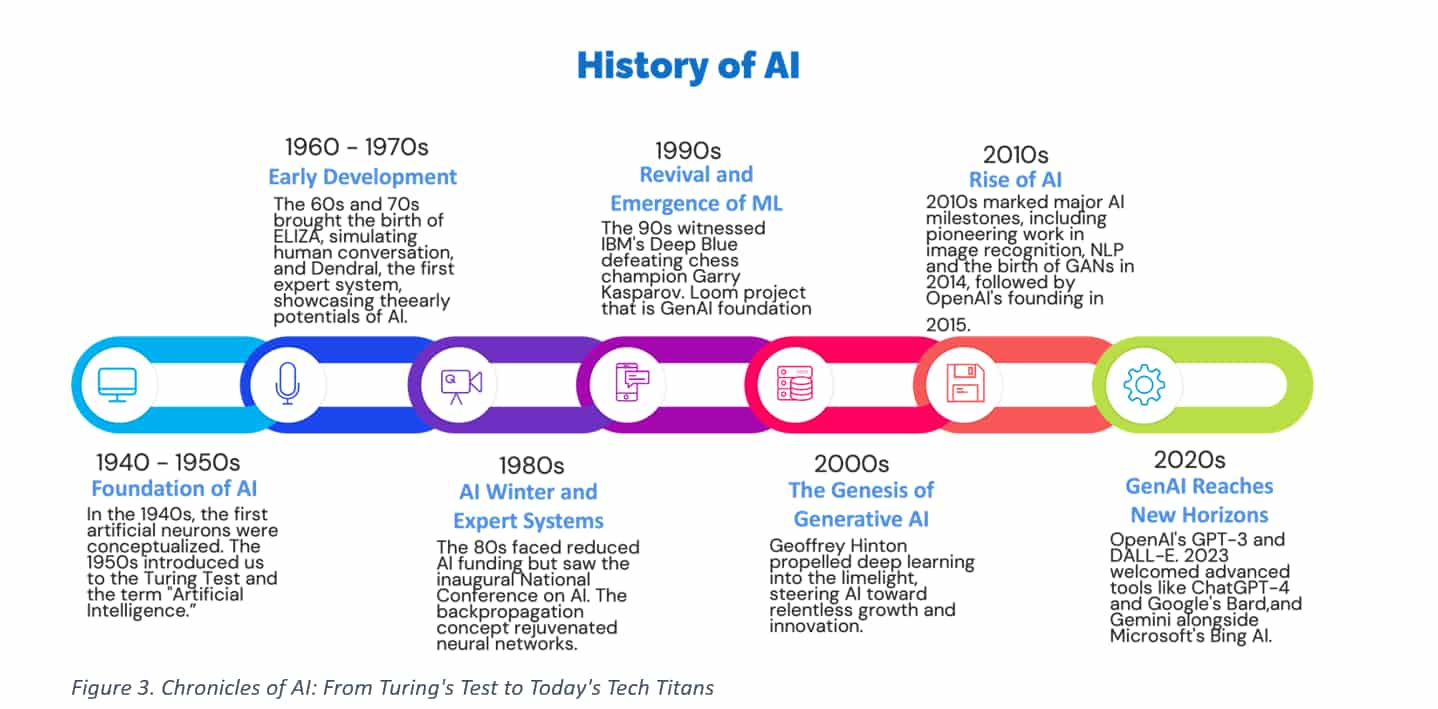
#Early 2020s: The AI Boom The foundations for the 2026 AI landscape were laid in the early 2020s, with the proliferation of large language models (LLMs) like GPT-4 and PaLM 2. These models demonstrated capabilities in natural language processing, code generation, and creative tasks, sparking both excitement and apprehension.
#Mid-2020s: Regulatory Awakening By 2024–2025, governments recognized the need for AI regulation. The EU AI Act, passed in 2024, became the first comprehensive legal framework for AI, categorizing systems by risk levels and imposing strict compliance requirements. The U.S. followed with the AI Executive Order (2025), mandating transparency, safety testing, and bias audits for high-risk AI applications.
#2026: The Year of Accountability May 2026 marked a turning point, with regulators, researchers, and industry leaders converging on key challenges:
- Bias and Fairness: Studies revealed systemic biases in AI-driven hiring tools and loan approval systems.
- Deepfakes and Misinformation: The proliferation of hyper-realistic deepfakes in political campaigns and social media prompted calls for watermarking and detection tools.
- Autonomous Systems: Self-driving cars and drones faced scrutiny over safety protocols and liability frameworks.
#How It Works
#AI Governance Frameworks
- Risk-Based Classification:
- Unacceptable Risk: Banned applications (e.g., social scoring systems).
- High Risk: Systems requiring rigorous testing (e.g., medical diagnostics, autonomous vehicles).
- Limited Risk: Transparency requirements (e.g., chatbots, recommendation algorithms).
- Minimal Risk: No restrictions (e.g., spam filters).
- Ethical AI Principles:
- Transparency: Mandatory disclosure of AI decision-making processes.
- Accountability: Developers and deployers held liable for harmful outcomes.
- Fairness: Regular audits to detect and mitigate bias.
#Technological Advancements
- Generative AI: Models like GPT-5 and Gemini Ultra achieved near-human creativity in art, music, and literature, raising questions about copyright and originality.
- Multimodal AI: Systems integrating text, image, and audio processing (e.g., DALL·E 3.5) enabled seamless content creation.
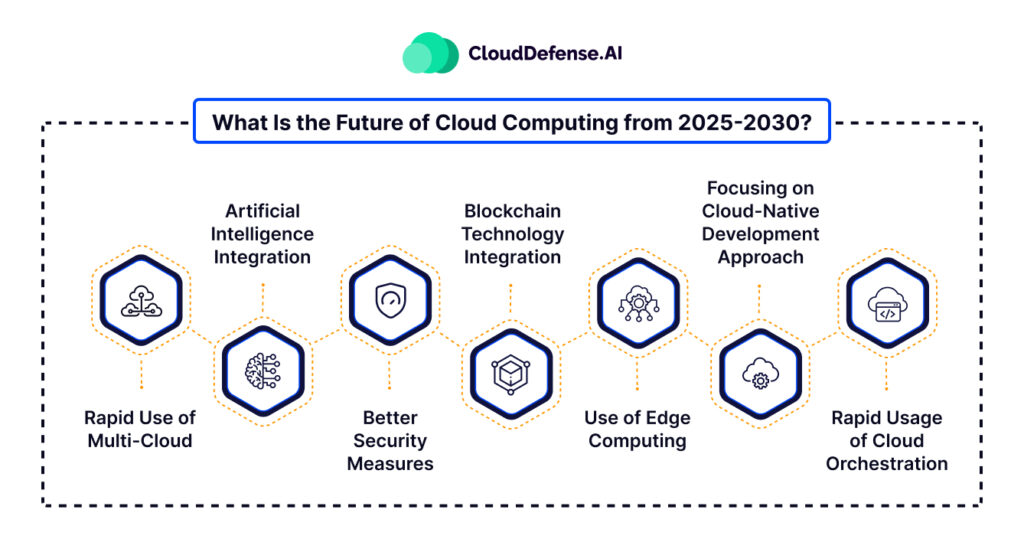
- Edge AI: On-device AI processing reduced latency and improved privacy, powering real-time applications in healthcare and robotics.
#Ethical Safeguards
- Watermarking: AI-generated content embedded with invisible markers to combat deepfakes.
- Bias Detection Tools: Algorithms like Fairlearn and IBM AI Fairness 360 identified and corrected discriminatory patterns.
- Explainable AI (XAI): Tools such as SHAP and LIME provided interpretable insights into AI decisions.
#Important Facts
- Regulatory Impact: The EU AI Act imposed fines up to €35 million or 7% of global revenue for non-compliance.
- AI in Healthcare: By May 2026, 68% of U.S. hospitals used AI for diagnostic imaging, reducing false positives by 22%.
- Deepfake Threats: A 2026 study found that 43% of surveyed adults could not distinguish AI-generated audio from real voices.
- Autonomous Vehicles: Waymo and Cruise expanded operations in 12 U.S. cities, with accident rates 30% lower than human drivers.
- AI in Education: 72% of K-12 schools in the U.S. adopted AI tutors, improving student engagement by 18%.
#Timeline
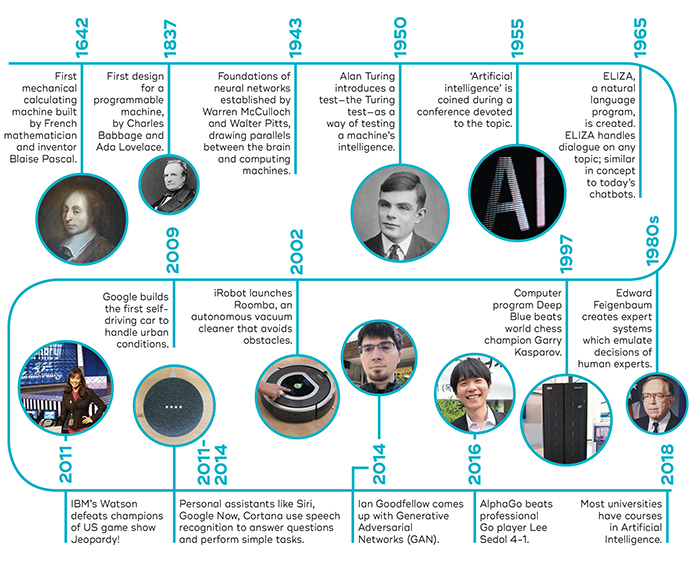
- Foundational ideas
Core concepts and early methods shape Latest AI News: May 2026 Roundup.
- Practical use
Tools, examples, and real-world deployments make the topic easier to evaluate.
- Responsible implementation
Current work focuses on reliability, governance, performance, and measurable impact.
#Related Terms
#FAQ
What does Latest AI News: May 2026 Roundup cover?
Covers latest ai news: may 2026 roundup, including core concepts, practical examples, benefits, limitations, and risks in AI Trends.
Why is Latest AI News: May 2026 Roundup important?
It helps readers understand key concepts, compare practical use cases, and evaluate how AI Trends decisions affect outcomes, risks, and implementation choices.
What should readers verify before applying this topic?
Readers should compare benefits, limitations, data requirements, and related themes such as Latest, AI, News before using the ideas in real projects.
#References
- Latest AI News: May 2026 Roundup terminology and background research
- Latest AI News: May 2026 Roundup use cases, implementation examples, and limitations
- AI Trends best practices, standards, and risk guidance
- Latest case studies, benchmarks, and current industry analysis

Comments
No comments yet. Start the discussion with a useful note.