


#Short Answer
Explains how does ai in retail work?, including the main process, tools, examples, risks, and practical implementation steps.
#Infobox
#Overview
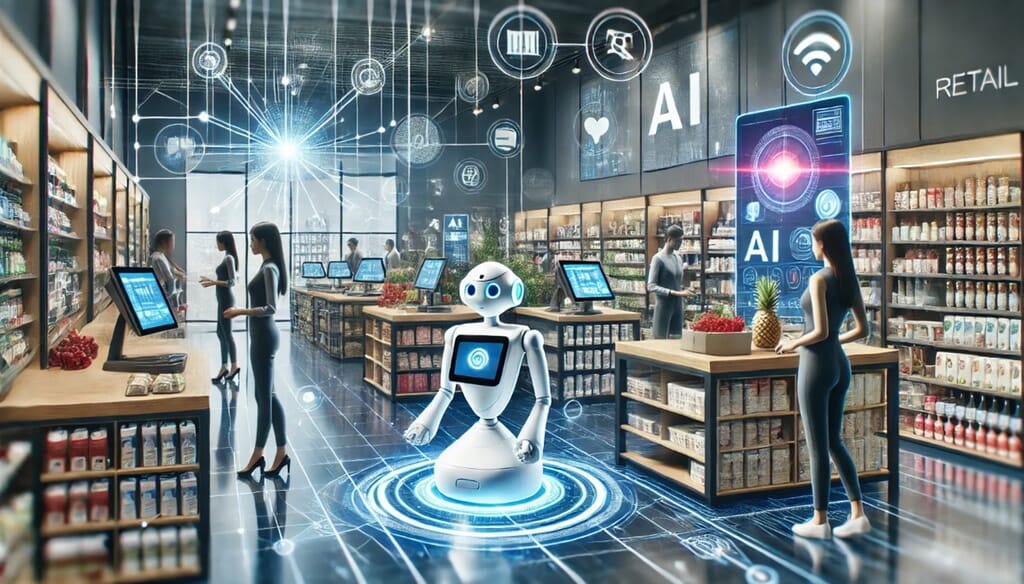
Artificial Intelligence has become a transformative force in the retail industry, reshaping how businesses interact with customers, manage inventory, and streamline operations. By leveraging AI, retailers can move beyond traditional transactional models to create intelligent, responsive, and highly personalized shopping experiences. AI systems analyze vast amounts of data—including customer behavior, purchase history, and market trends—to deliver insights that inform pricing, promotions, and product development. The integration of AI in retail spans both physical and digital storefronts. In e-commerce, AI powers recommendation engines that suggest products based on user preferences, while in brick-and-mortar stores, computer vision enables cashier-less checkout systems and real-time inventory tracking. Additionally, AI-driven chatbots and virtual assistants provide 24/7 customer support, reducing response times and improving satisfaction. As consumer expectations evolve toward seamless, personalized, and efficient shopping experiences, AI has emerged as a critical enabler for retailers seeking to remain competitive. Its applications extend from supply chain optimization to dynamic pricing and fraud detection, making AI not just a tool for innovation but a necessity for operational resilience.
#History / Background
The roots of AI in retail can be traced back to the early 2000s, when retailers began experimenting with data-driven decision-making. However, the widespread adoption of AI in retail accelerated in the 2010s, driven by advances in computing power, the proliferation of big data, and the rise of cloud computing.
- 2006: Amazon launched its recommendation engine, one of the first large-scale AI applications in retail. By analyzing user behavior, it suggested products, increasing sales and customer engagement.
- 2011: IBM’s Watson began demonstrating capabilities in natural language processing, paving the way for AI-powered customer service in retail.
- 2016: Amazon Go introduced the concept of a cashier-less store using computer vision and sensor fusion, eliminating traditional checkout processes.
- 2018: Walmart deployed AI-powered inventory management systems and chatbots to enhance in-store and online operations.
- 2020: The COVID-19 pandemic accelerated digital transformation, with AI-powered contactless payments, curbside pickup, and AI-driven demand forecasting becoming essential.
- 2022–2024: Generative AI and large language models (LLMs) began enabling hyper-personalized marketing, automated content creation, and AI-generated product descriptions. The evolution of AI in retail reflects a broader shift from reactive to predictive and prescriptive analytics, enabling retailers to anticipate customer needs and optimize every stage of the retail value chain.
#How It Works
AI in retail operates through several interconnected technologies and methodologies, each tailored to specific business challenges. The core mechanisms include:
#
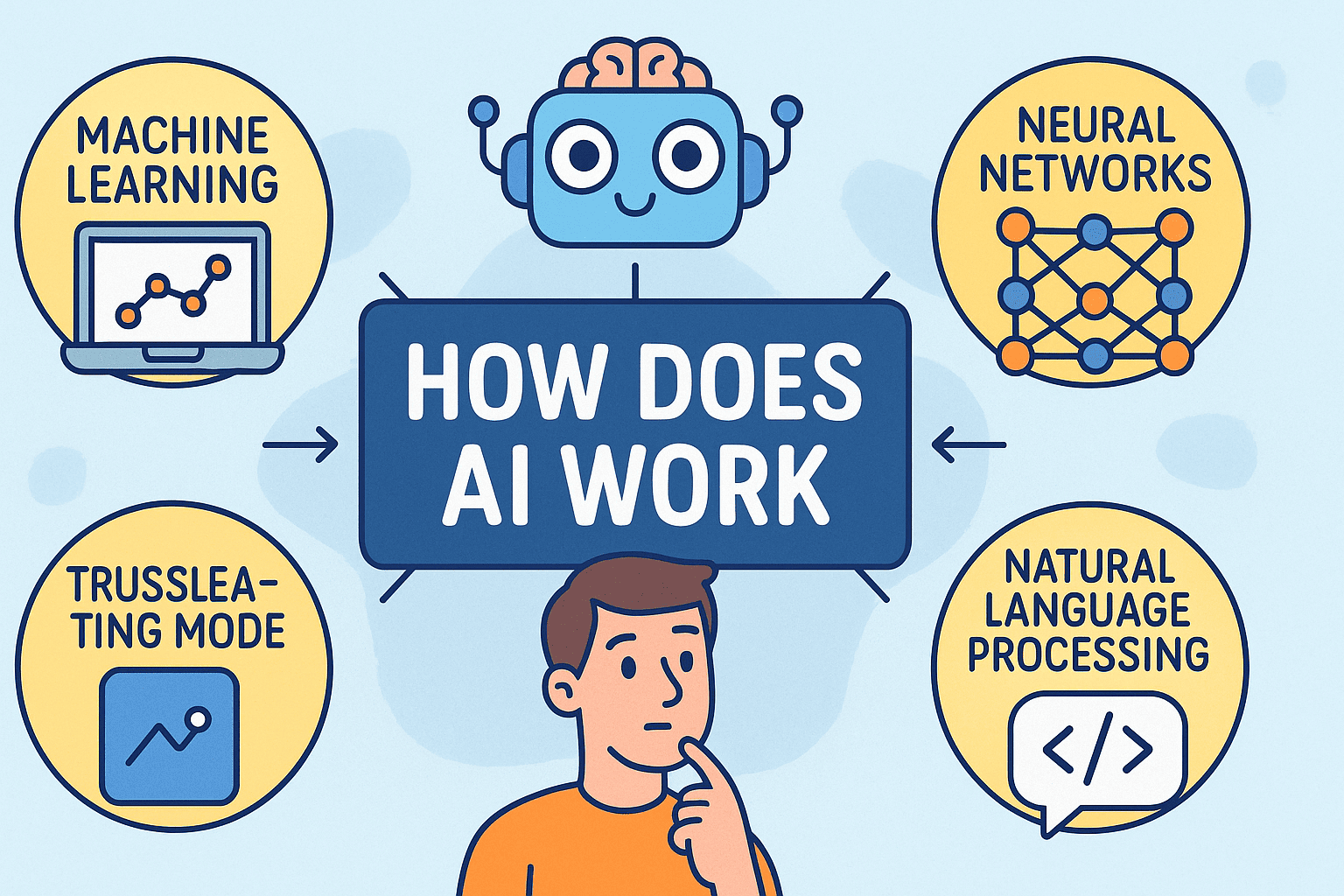
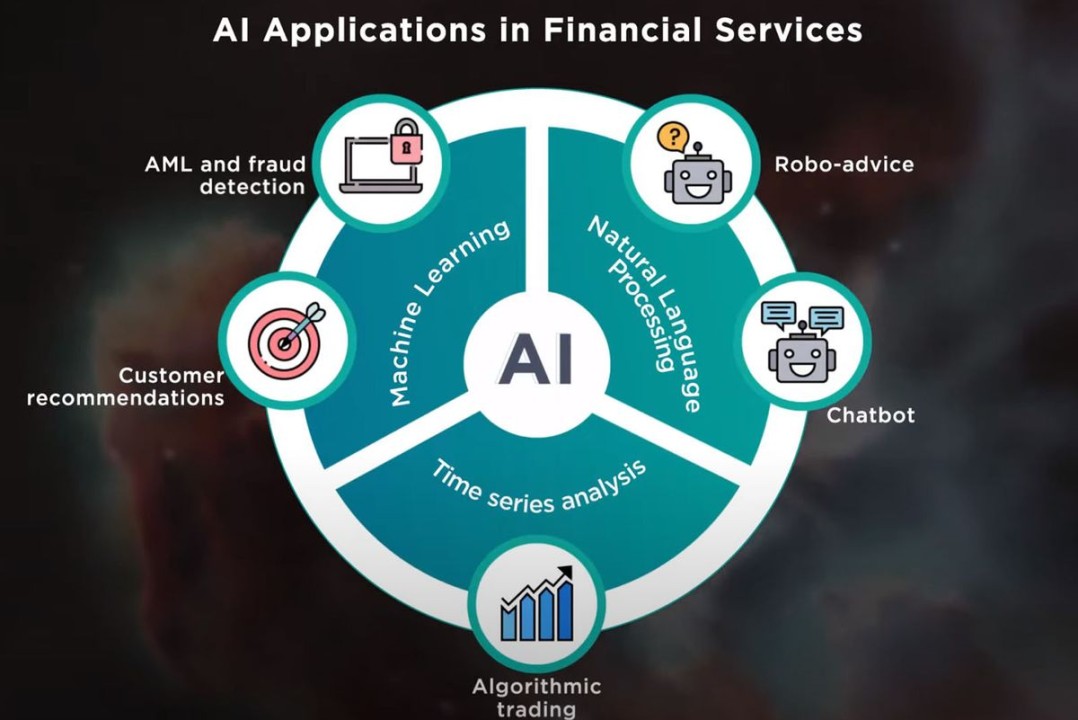
- Machine Learning (ML) and Predictive Analytics Machine learning models are trained on historical sales data, customer interactions, and external factors (e.g., weather, holidays) to predict future demand. Supervised learning algorithms classify customer segments, while time-series forecasting models estimate inventory needs.
- Example: A retailer uses an ML model to predict that demand for winter coats will peak in November, allowing proactive stock replenishment.
- Tools: TensorFlow, PyTorch, scikit-learn, Google Vertex AI.
#
- Natural Language Processing (NLP) NLP enables retailers to analyze unstructured data such as customer reviews, social media posts, and support tickets. Sentiment analysis identifies trends in customer satisfaction, while chatbots use NLP to understand and respond to customer queries in real time.
- Example: A chatbot resolves 80% of customer inquiries about order status or return policies without human intervention.
- Tools: BERT, spaCy, Dialogflow, IBM Watson Assistant.
#
- Computer Vision Computer vision systems use cameras and image recognition to automate tasks such as shelf monitoring, customer tracking, and fraud detection.
- Shelf Monitoring: AI detects out-of-stock items or misplaced products, triggering restocking alerts.
- Facial Recognition: Used in some stores for personalized greetings or loss prevention (controversial due to privacy concerns).
- Cashier-less Checkout: Systems like Amazon Go use multiple sensors and cameras to track items selected by customers and automatically charge their accounts.
- Tools: OpenCV, Amazon Rekognition, Google Vision AI.
#
- Recommendation Engines These AI systems analyze user behavior (clicks, purchases, browsing history) to suggest products. Collaborative filtering and content-based filtering are common techniques.
- Example: Netflix and Spotify use similar models; retailers like Amazon and eBay apply them to suggest complementary or related products.
- Algorithms: Collaborative filtering, matrix factorization, deep learning (e.g., neural collaborative filtering).
#
- Dynamic Pricing AI algorithms adjust prices in real time based on demand, competitor pricing, inventory levels, and customer profiles. This maximizes revenue and margins.
- Example: Airlines and hotels pioneered dynamic pricing; retailers like Walmart and Best Buy now use AI to optimize online prices hourly.
- Techniques: Reinforcement learning, Bayesian optimization.
#
- Supply Chain Optimization AI enhances logistics by predicting disruptions, optimizing delivery routes, and automating warehouse operations (e.g., robotic picking systems).
- Example: DHL uses AI to forecast shipping delays and reroute packages automatically.
- Tools: SAP AI Core, Blue Yonder, Kinaxis.
#
- Fraud Detection AI models analyze transaction patterns to detect anomalies indicative of fraud, reducing chargebacks and losses.
- Example: Credit card companies and payment processors use AI to flag suspicious transactions in real time.
- Techniques: Anomaly detection, clustering, supervised classification.
#Important Facts
- Personalization Boosts Revenue: Retailers using AI-driven personalization see a 10–30% increase in conversion rates and a 20% rise in average order value.
- Inventory Accuracy: AI-powered inventory systems reduce stockouts by up to 50% and overstock by 30%.
- Customer Retention: Businesses using AI for customer service report a 25% improvement in customer retention.
- Cost Savings: Automation through AI can reduce operational costs by 15–30% in logistics and customer service.
- Data Dependency: AI in retail relies heavily on high-quality, clean, and diverse datasets. Poor data quality leads to inaccurate predictions.
- Privacy Concerns: The use of facial recognition and location tracking raises ethical and regulatory challenges, especially under GDPR and CCPA.
- Omnichannel Integration: AI enables seamless experiences across online, mobile, and in-store channels, supporting unified commerce strategies.
#Timeline
- Foundational ideas
Core concepts and early methods shape How Does AI in Retail Work?.
- Practical use
Tools, examples, and real-world deployments make the topic easier to evaluate.
- Responsible implementation
Current work focuses on reliability, governance, performance, and measurable impact.
#Related Terms
#FAQ
What does How Does AI in Retail Work? cover?
Explains how does ai in retail work?, including the main process, tools, examples, risks, and practical implementation steps.
Why is How Does AI in Retail Work? important?
It helps readers understand key concepts, compare practical use cases, and evaluate how Business & Marketing decisions affect outcomes, risks, and implementation choices.
What should readers verify before applying this topic?
Readers should compare benefits, limitations, data requirements, and related themes such as Does, AI, Retail before using the ideas in real projects.
#References
- How Does AI in Retail Work? terminology and background research
- How Does AI in Retail Work? use cases, implementation examples, and limitations
- Business & Marketing best practices, standards, and risk guidance
- Does case studies, benchmarks, and current industry analysis

Comments
No comments yet. Start the discussion with a useful note.