

#Short Answer
Covers meaning of ai in retail, including core concepts, practical examples, benefits, limitations, and risks in Business & Marketing.
#Infobox
#Overview
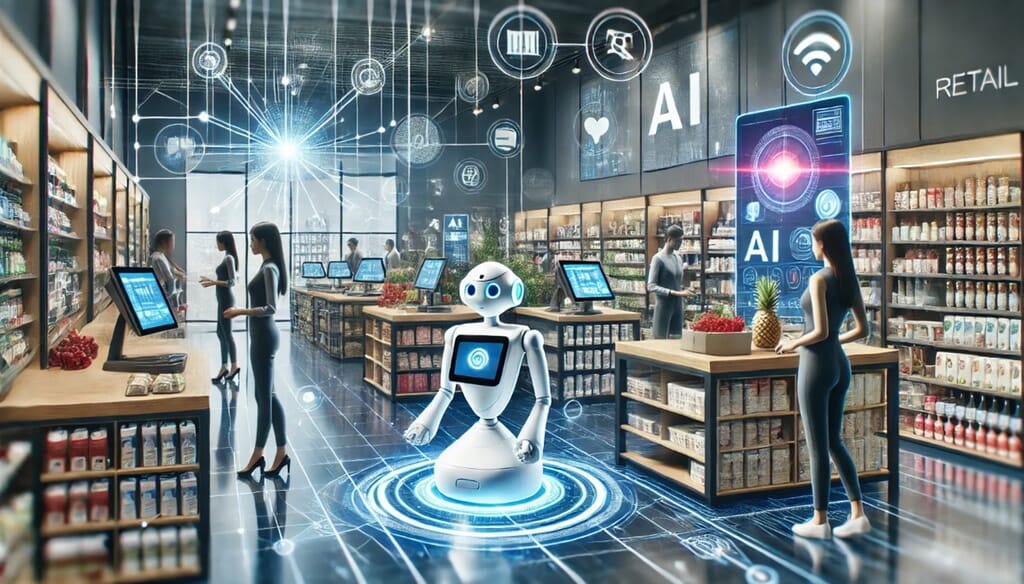
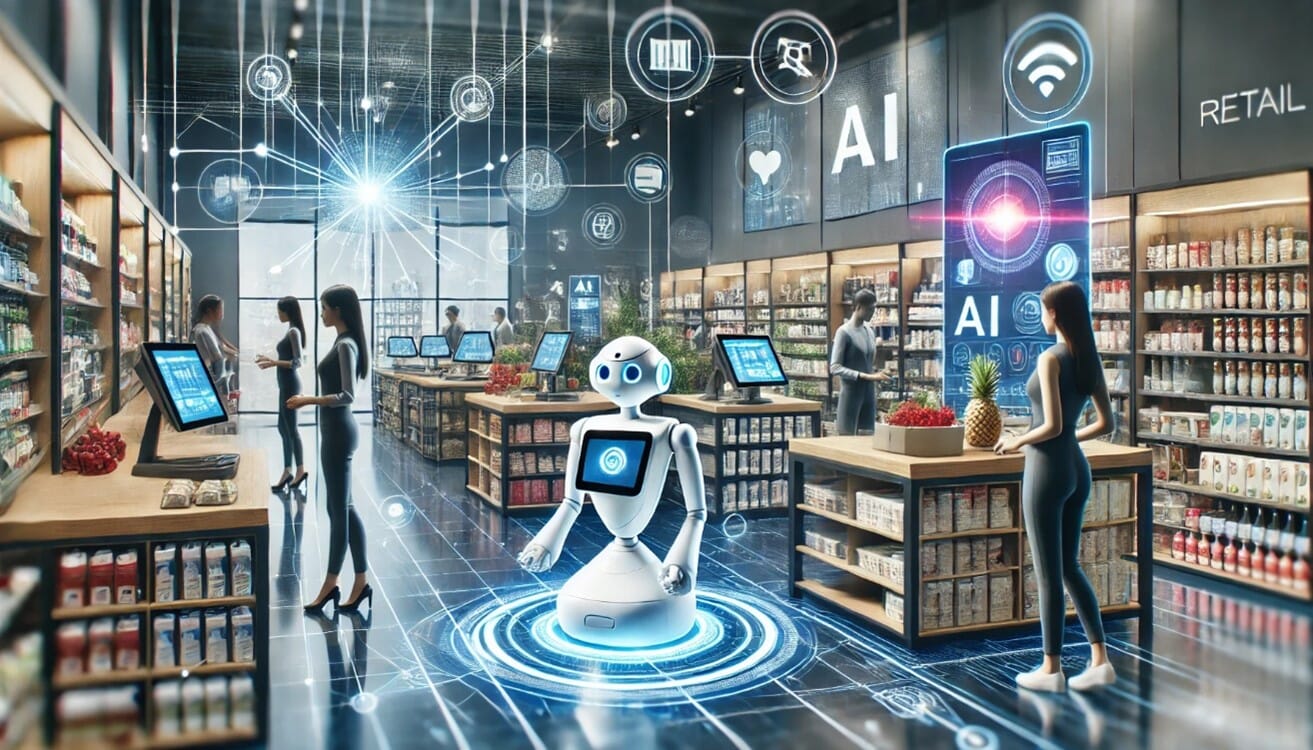
Artificial Intelligence (AI) has emerged as a transformative force in the retail sector, reshaping how businesses interact with customers, manage inventory, and streamline operations. By leveraging AI-driven tools, retailers can analyze consumer behavior, predict trends, and automate repetitive tasks, leading to more efficient and personalized shopping experiences. From virtual assistants that recommend products to AI-powered dynamic pricing algorithms, the applications of AI in retail are vast and continually evolving. The integration of AI in retail is not limited to large corporations; small and medium-sized enterprises (SMEs) are also adopting AI solutions to compete in an increasingly digital marketplace. Technologies such as computer vision enable cashier-less stores, while machine learning models optimize supply chains by forecasting demand with high accuracy. As AI continues to advance, its role in retail is expected to expand, making it a critical component of modern retail strategies.
#History / Background
#Early Foundations (1950s–1990s)
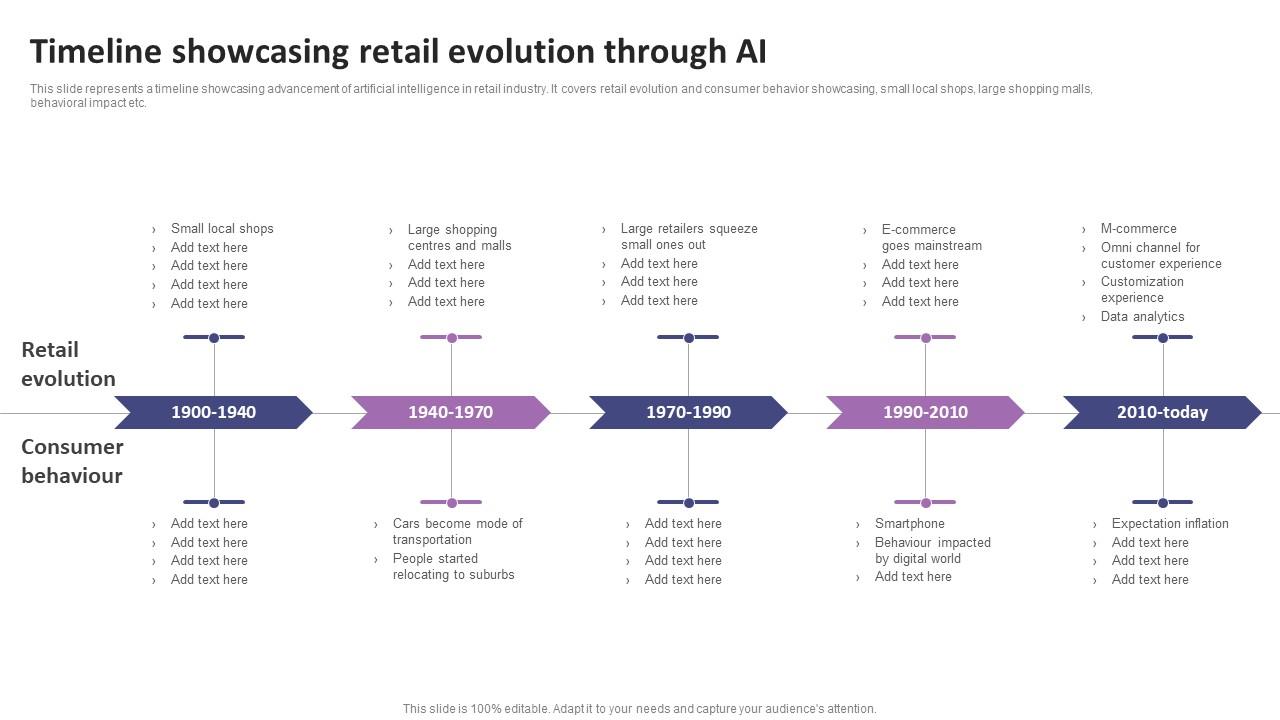
The concept of AI dates back to the mid-20th century, with early developments in machine learning and expert systems. However, its application in retail remained limited due to technological constraints and the lack of large-scale data. During the 1980s and 1990s, retailers began experimenting with basic data analytics to understand customer purchasing patterns, laying the groundwork for future AI integration.
#Rise of E-Commerce (2000s)
The advent of e-commerce platforms like Amazon and eBay in the late 1990s and early 2000s accelerated the adoption of AI in retail. These platforms leveraged recommendation engines—powered by collaborative filtering and machine learning—to suggest products to users based on their browsing and purchase history. This period also saw the emergence of early chatbots and virtual assistants, which provided basic customer support.
#Big Data and Machine Learning (2010s)
The explosion of big data and advancements in computing power in the 2010s enabled retailers to harness AI at scale. Companies like Walmart and Target invested in AI-driven inventory management systems, while fashion retailers adopted AI for trend forecasting. The introduction of deep learning further enhanced the accuracy of predictive models, allowing retailers to anticipate consumer demand with greater precision.
#Modern AI Integration (2020s–Present)
Today, AI in retail is characterized by its ubiquity and sophistication. Technologies such as computer vision enable cashier-less stores (e.g., Amazon Go), while natural language processing powers advanced chatbots and voice assistants. AI is also being used to combat fraud, optimize pricing dynamically, and enhance the in-store experience through augmented reality (AR) and virtual reality (VR). The COVID-19 pandemic further accelerated AI adoption, as retailers sought contactless and automated solutions to meet changing consumer behaviors.
#How It Works
#
- Personalization and Recommendation Systems AI algorithms analyze customer data—such as browsing history, purchase records, and demographic information—to generate personalized product recommendations. Collaborative filtering, a common technique, identifies patterns by comparing a user’s behavior with that of similar users. Deep learning models, such as neural networks, further refine these recommendations by understanding nuanced preferences.
#
- Inventory and Supply Chain Optimization AI-powered tools use predictive analytics to forecast demand, reducing overstocking and stockouts. Machine learning models analyze historical sales data, seasonal trends, and external factors (e.g., weather, economic indicators) to optimize inventory levels. Robotics and automation, such as autonomous warehouse systems, streamline order fulfillment and reduce operational costs.
#
- Dynamic Pricing AI enables retailers to adjust prices in real-time based on factors like demand, competitor pricing, and customer behavior. Algorithms use reinforcement learning to determine the optimal price for maximizing revenue or clearing inventory. Dynamic pricing is particularly prevalent in e-commerce, where platforms like Amazon frequently update prices to stay competitive.
#
- Customer Service and Chatbots Natural language processing (NLP) powers AI-driven chatbots and virtual assistants, which handle customer inquiries, process orders, and provide support 24/7. These systems use sentiment analysis to gauge customer emotions and tailor responses accordingly. Advanced chatbots, such as those integrated with large language models (LLMs), can engage in human-like conversations, enhancing customer satisfaction.
#
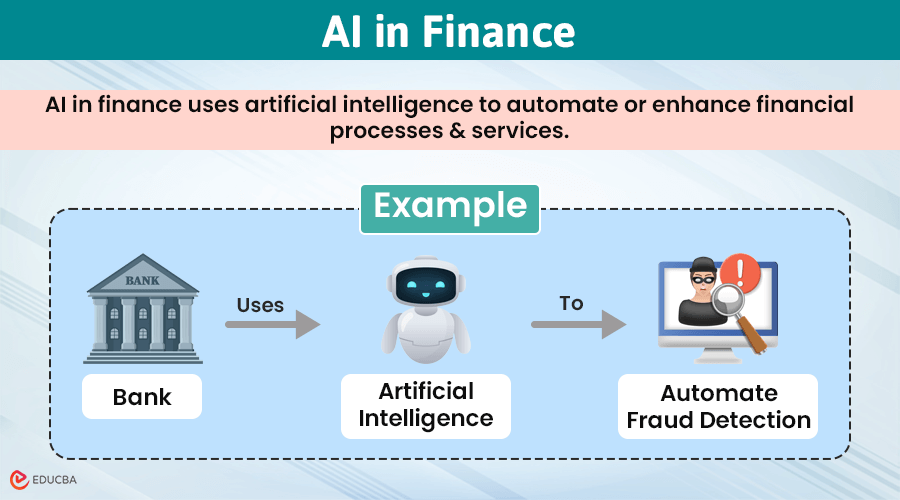
- Fraud Detection and Security AI enhances security by detecting fraudulent transactions and preventing losses. Machine learning models analyze transaction patterns to identify anomalies, such as unusual purchase locations or high-value orders. Computer vision is also used in self-checkout systems to prevent theft and ensure accurate billing.
#
- Computer Vision and In-Store AI Computer vision technology enables AI to interpret visual data from cameras and sensors. In retail, this is used for:
- Cashier-less stores: Cameras and sensors track items selected by customers, automatically charging their accounts upon exit.
- Visual search: Customers upload images to find similar products (e.g., Pinterest Lens, Google Lens).
- Shelf monitoring: AI detects out-of-stock items, misplaced products, or pricing errors in real-time.
#
- Augmented Reality (AR) and Virtual Reality (VR) AR and VR enhance the shopping experience by allowing customers to visualize products in their environment (e.g., virtual try-ons for clothing or furniture) or explore virtual stores. These technologies reduce return rates and increase engagement, particularly in fashion and home decor retail.
#Important Facts
- Market Growth: The global AI in retail market is projected to reach $40.7 billion by 2027, growing at a CAGR of 30.5% from 2022 to 2027 (MarketsandMarkets).
- Customer Expectations: 75% of consumers expect personalized experiences from retailers, and 63% are willing to share data for better recommendations (Accenture).
- Efficiency Gains: AI-powered inventory management can reduce stockouts by 30% and lower excess inventory by 25% (McKinsey).
- Fraud Prevention: AI reduces fraud losses by up to 50% in e-commerce (Juniper Research).
- Adoption Barriers: 40% of retailers cite high implementation costs as the primary challenge in adopting AI (Deloitte).
- Voice Commerce: 55% of households are expected to own a smart speaker by 2025, driving voice-based shopping (OC&C Strategy Consultants).
- Sustainability: AI helps retailers reduce waste by optimizing supply chains and promoting circular economy practices (e.g., resale platforms using AI for pricing).
#Timeline
- Foundational ideas
Core concepts and early methods shape Meaning of AI in Retail.
- Practical use
Tools, examples, and real-world deployments make the topic easier to evaluate.
- Responsible implementation
Current work focuses on reliability, governance, performance, and measurable impact.
#Related Terms
#FAQ
What does Meaning of AI in Retail cover?
Covers meaning of ai in retail, including core concepts, practical examples, benefits, limitations, and risks in Business & Marketing.
Why is Meaning of AI in Retail important?
It helps readers understand key concepts, compare practical use cases, and evaluate how Business & Marketing decisions affect outcomes, risks, and implementation choices.
What should readers verify before applying this topic?
Readers should compare benefits, limitations, data requirements, and related themes such as Meaning, AI, Retail before using the ideas in real projects.
#References
- Meaning of AI in Retail terminology and background research
- Meaning of AI in Retail use cases, implementation examples, and limitations
- Business & Marketing best practices, standards, and risk guidance
- Meaning case studies, benchmarks, and current industry analysis
Comments
No comments yet. Start the discussion with a useful note.