


#Short Answer
Explores how artificial intelligence shapes robotics and autonomous machines, covering practical use cases, benefits, limitations, and risks.
#Infobox
Artificial Intelligence and Robotics Field Artificial intelligence, Robotics Subfields Autonomous systems, machine learning, computer vision, natural language processing, control systems Key Figures Alan Turing, Marvin Minsky, Rodney Brooks, Geoffrey Hinton Notable Applications Self-driving cars, industrial robots, surgical robots, drones, smart assistants Influential Works Artificial Intelligence: A Modern Approach, Robot: Mere Machine to Transcendent Mind
#Overview
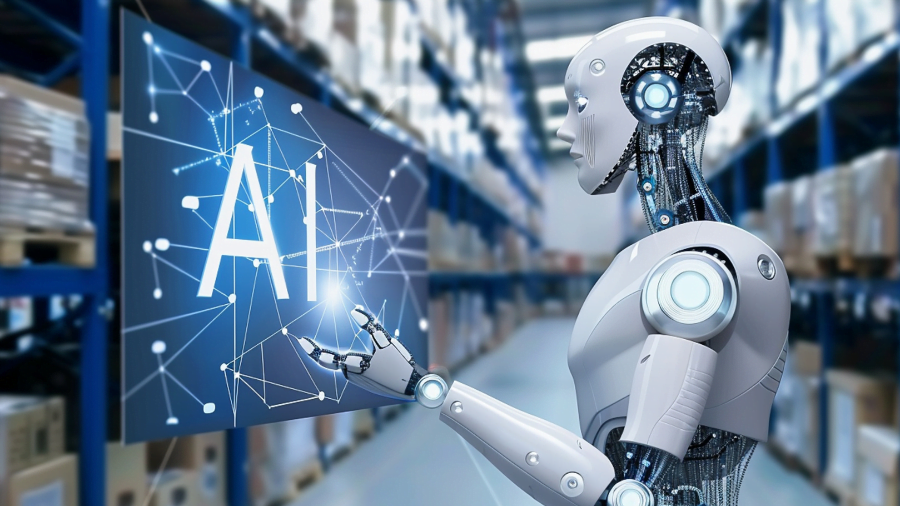
Artificial Intelligence and Robotics represent a convergence of computer science, engineering, and cognitive science aimed at creating systems capable of performing complex tasks with minimal human intervention. AI focuses on developing algorithms that enable machines to reason, learn, and adapt, while robotics emphasizes the design and construction of physical machines that interact with the real world. The synergy between these disciplines has led to the emergence of autonomous robots, which operate in dynamic environments without constant human oversight.
Key applications include autonomous vehicles, industrial automation, medical robotics, and service robots. AI-driven robotics leverages techniques such as machine learning, computer vision, and natural language processing to enhance perception, decision-making, and interaction capabilities. As these technologies advance, they promise to revolutionize industries by improving efficiency, safety, and precision.
#Autonomous Machines
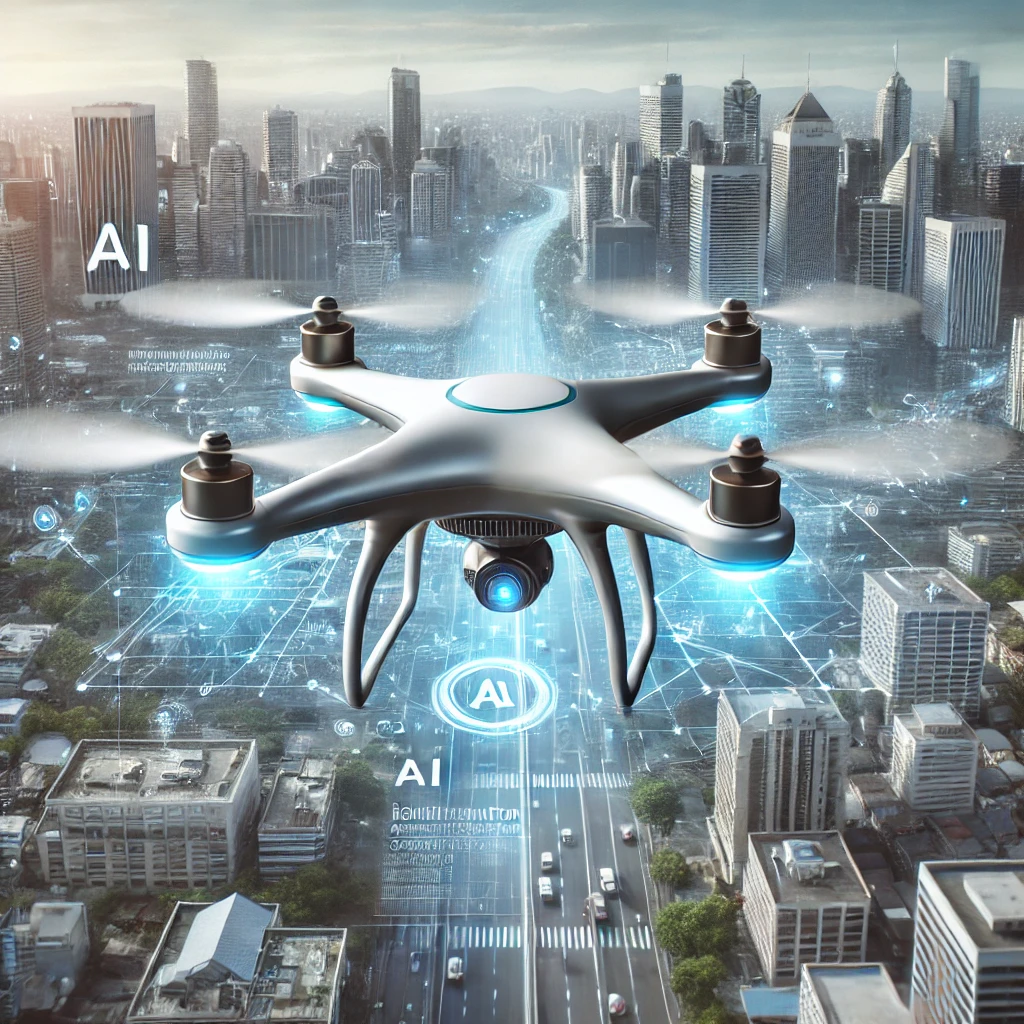
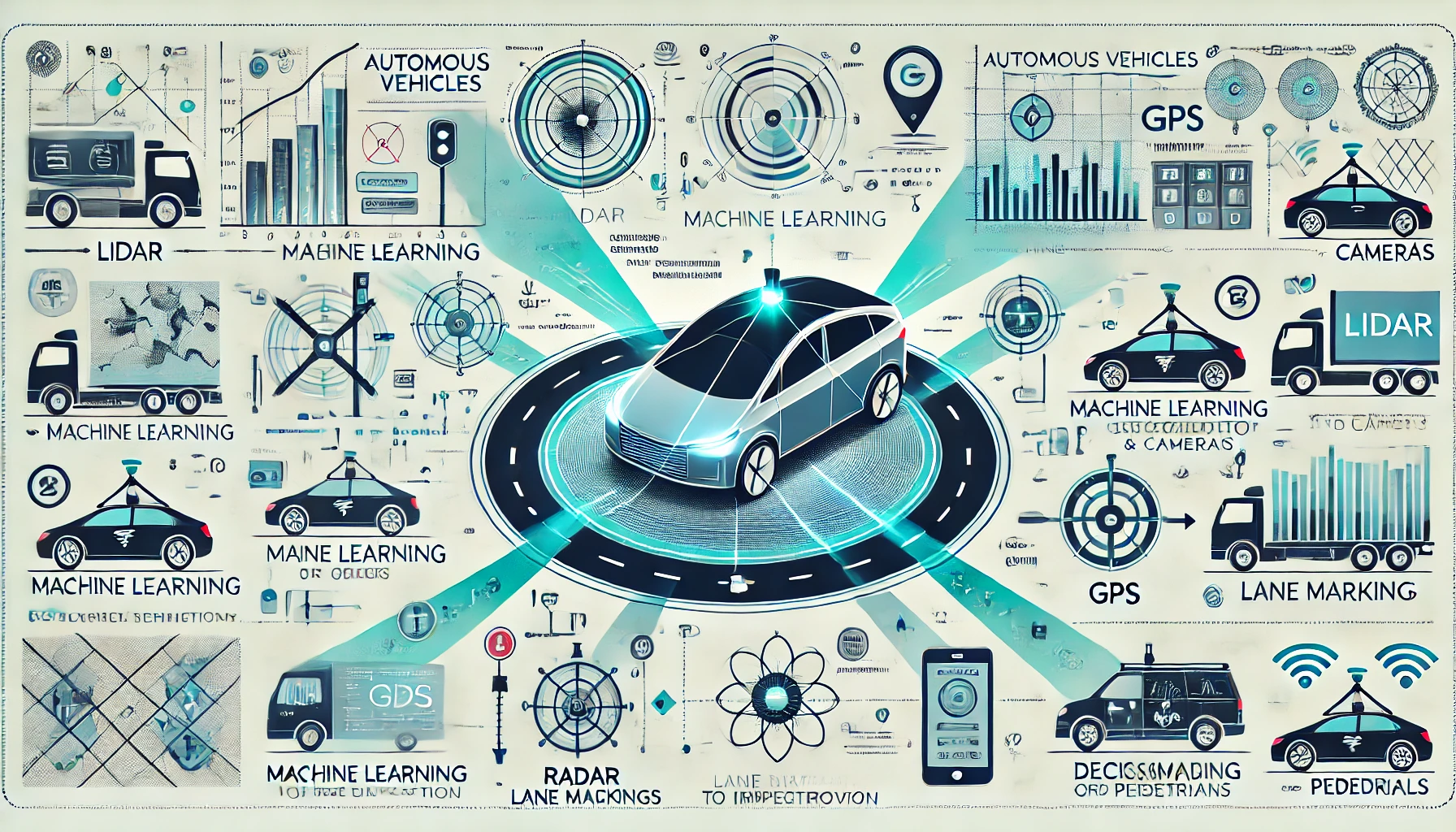
Autonomous machines are a subset of robotic systems designed to operate independently in unstructured environments. Unlike traditional robots that follow pre-programmed instructions, autonomous machines use AI to perceive their surroundings, interpret data, and make real-time decisions. Examples include self-driving cars, drones, and robotic vacuum cleaners. These systems rely on a combination of sensors (e.g., LiDAR, cameras, ultrasonic sensors), control theory, and AI algorithms to navigate obstacles, avoid collisions, and achieve predefined goals.
#History and background
#Early developments
The origins of AI and robotics trace back to ancient myths and mechanical automata. In the 14th century, Al-Jazari designed programmable humanoid robots, while the 18th century saw the creation of mechanical dolls like The Turk, a chess-playing automaton. The modern era began in the mid-20th century with the advent of computers and cybernetics.
In 1950, Alan Turing proposed the Turing test as a criterion for machine intelligence. The term "artificial intelligence" was coined in 1956 during the Dartmouth Conference, where researchers like John McCarthy and Marvin Minsky laid the foundations for the field. Early AI programs, such as Logic Theorist and ELIZA, demonstrated basic problem-solving and natural language processing capabilities.
#Robotics evolution
Robotics as a discipline emerged in the 1960s with the development of industrial robots like Unimate, the first commercially successful robotic arm. In 1961, George Devol and Joseph Engelberger introduced the concept of programmable automation, leading to widespread adoption in manufacturing. The 1970s saw advancements in robotic control systems, including the Shakey the robot, which combined AI planning with physical mobility.
The late 20th century witnessed significant progress in autonomous systems, driven by improvements in sensor technology and computing power. Projects like NASA's Mars rovers (e.g., Sojourner, Spirit, Opportunity) demonstrated the potential of AI-driven robotics in space exploration. Concurrently, the rise of personal computing and the internet facilitated the development of service robots, such as robotic vacuum cleaners and social robots like ASIMO.
#How it works
#AI components
AI systems in robotics rely on several core components:
- Perception: Sensors (e.g., cameras, LiDAR, IMUs) capture data about the environment, which is processed using computer vision and sensor fusion techniques.
- Decision-making: AI algorithms, including reinforcement learning and planning, enable robots to evaluate options and select optimal actions.
- Learning: Machine learning models, such as neural networks, allow robots to improve performance over time by analyzing data and adapting to new scenarios.
- Control: Control systems translate AI decisions into physical actions via actuators (e.g., motors, servos), ensuring precise movement and interaction.
#Robotics components
Robotic systems consist of:
- Mechanical structure: The physical framework, including joints, limbs, or wheels, designed for specific tasks.
- Sensors: Devices that provide real-time data about the robot's environment (e.g., proximity, temperature, visual input).
- Actuators: Components that convert energy into motion (e.g., electric motors, hydraulic systems).
- Power supply: Batteries or external power sources that sustain operation.
- Control unit: A computer or embedded system that processes sensor data and executes AI algorithms.
#Integration
The integration of AI and robotics involves creating a feedback loop where sensors provide data to AI models, which then generate control signals for actuators. For example, a self-driving car uses cameras and LiDAR to perceive its surroundings, AI models process this data to identify objects and plan a route, and actuators adjust the vehicle's steering and speed accordingly. This closed-loop system enables real-time adaptation to changing conditions.
#Important facts
- The global robotics market is projected to reach $80 billion by 2025, driven by advancements in AI and automation.
- Boston Dynamics's Spot robot is capable of navigating complex terrains autonomously.
- AI-powered surgical robots, such as the da Vinci Surgical System, enhance precision in minimally invasive procedures.
- The first AI-driven robot to pass the Turing test was Eugene Goostman in 2014, simulating a 13-year-old boy.
- Robots equipped with NLP can now understand and respond to human speech with near-human accuracy.
- The ISO has established safety standards for collaborative robots (cobots) to work alongside humans.
#Timeline
Year Event 1950 Alan Turing proposes the Turing test for machine intelligence. 1956 The term "artificial intelligence" is coined at the Dartmouth Conference. 1961 Unimate, the first industrial robot, is installed in a General Motors factory. 1966 ELIZA, an early natural language processing program, is created by Joseph Weizenbaum. 1970 Shakey the robot demonstrates AI planning and mobility. 1997 IBM's Deep Blue defeats world chess champion Garry Kasparov. 2004 NASA's Mars rover Spirit lands on Mars, showcasing autonomous exploration. 2011 IBM Watson wins Jeopardy!, demonstrating advanced natural language understanding. 2014 Eugene Goostman passes the Turing test. 2016 AlphaGo defeats Lee Sedol in the board game Go, marking a milestone in AI. 2020 Boston Dynamics' Spot robot is deployed for remote inspections during the COVID-19 pandemic.
#Related Terms
#FAQ
What does AI And Robotics: Autonomous Machines cover?
Explores how artificial intelligence shapes robotics and autonomous machines, covering practical use cases, benefits, limitations, and risks.
Why is AI And Robotics: Autonomous Machines important?
It helps readers understand key concepts, compare practical use cases, and evaluate how Technology decisions affect outcomes, risks, and implementation choices.
What should readers verify before applying this topic?
Readers should compare the benefits, limitations, data requirements, and related themes such as Robotic, Autonomou, Machine before using the ideas in real projects.
#References
- AI And Robotics: Autonomous Machines terminology and background research
- AI And Robotics: Autonomous Machines use cases, implementation examples, and limitations
- Technology best practices, standards, and risk guidance
- Robotic case studies, benchmarks, and current industry analysis
Comments
No comments yet. Start the discussion with a useful note.