

#Short Answer
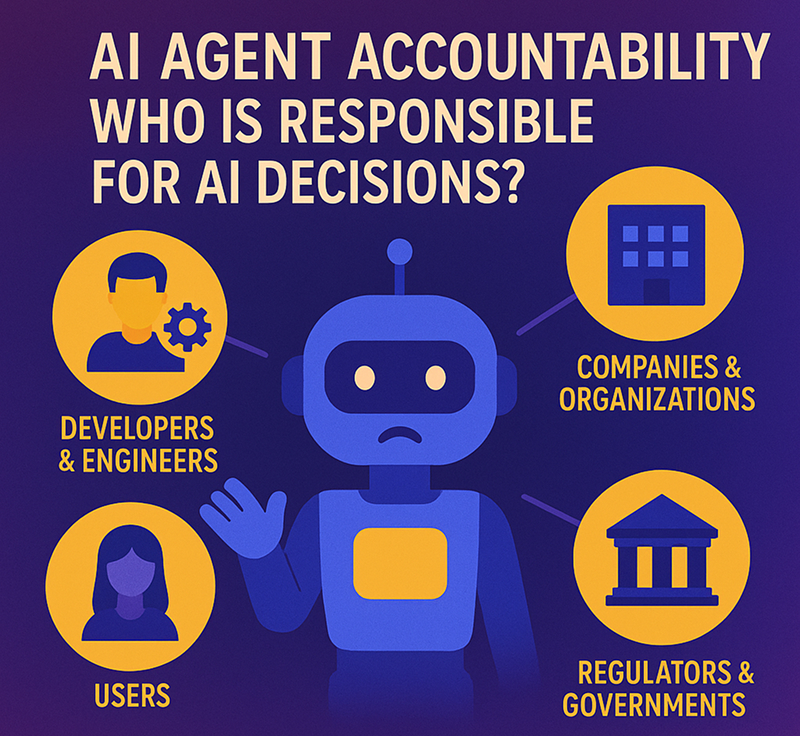
AI accountability refers to the obligation of individuals, organizations, and institutions to answer for the outcomes of AI systems they develop, deploy, or use. As AI systems increasingly influence critical domains such as healthcare, finance, criminal justice, and transportation, the question of who is responsible when AI makes harmful or erroneous decisions has become central to public trust and regulatory compliance.
#Infobox
#Overview
AI accountability refers to the obligation of individuals, organizations, and institutions to answer for the outcomes of AI systems they develop, deploy, or use. As AI systems increasingly influence critical domains such as healthcare, finance, criminal justice, and transportation, the question of who is responsible when AI makes harmful or erroneous decisions has become central to public trust and regulatory compliance.
Accountability in AI is not a single concept but a multi-layered framework involving legal liability, ethical responsibility, and organizational governance. It requires transparency in how AI systems operate, mechanisms for redress when harm occurs, and clear assignment of roles across the AI supply chain—from data collection and model training to deployment and monitoring.
#Core Principles
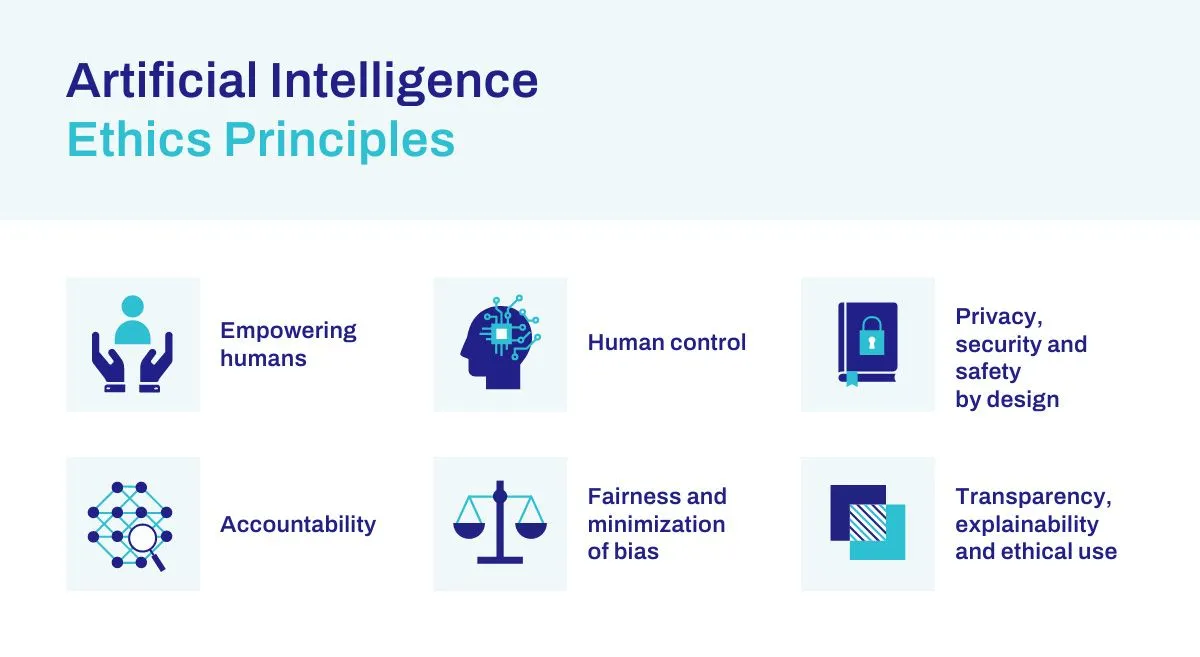
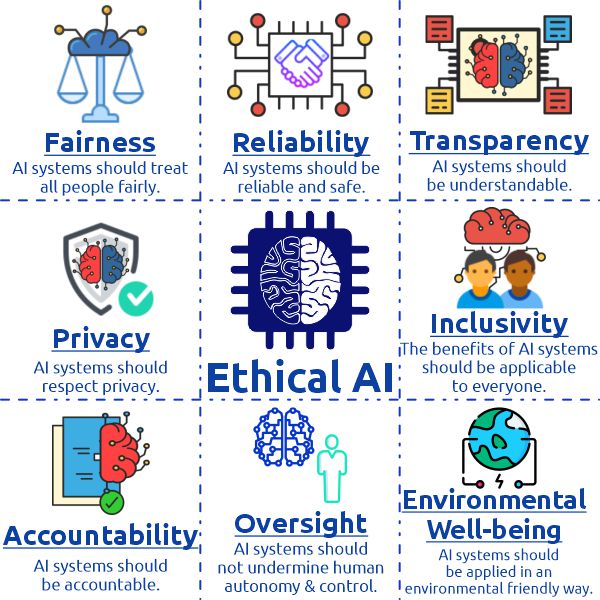
- Transparency: The ability to explain how an AI system makes decisions, often through interpretable models or documentation.
- Auditability: The capacity to review and assess AI systems for compliance with laws, standards, and ethical norms.
- Liability: Legal responsibility for damages caused by AI, which may be assigned to developers, operators, or users depending on context.
- Oversight: Human monitoring and intervention to prevent or correct harmful AI behavior.
- Fairness: Ensuring AI systems do not discriminate or produce biased outcomes.
#History / Background
The concept of accountability in technology dates back to early debates on automation and machine ethics. However, the rise of machine learning and deep learning in the 21st century has intensified concerns, as these systems often operate as "black boxes," making their decisions difficult to understand or challenge.
Key milestones include:
- 2016: The European Union proposed the General Data Protection Regulation (GDPR), which introduced the "right to explanation," allowing individuals to request reasons for automated decisions affecting them.
- 2018: The European Commission published Ethics Guidelines for Trustworthy AI, emphasizing accountability as a core requirement.
- 2019: The OECD adopted AI Principles, including accountability and transparency.
- 2021: The EU Artificial Intelligence Act proposed a risk-based regulatory framework, assigning varying levels of accountability based on AI system risk categories.
- 2023: The White House Blueprint for an AI Bill of Rights in the U.S. emphasized safeguards against harmful automated decisions.
#How It Works
AI accountability operates through a combination of technical mechanisms, legal structures, and organizational practices.
#Technical Mechanisms
- Explainable AI (XAI): Techniques such as LIME (Local Interpretable Model-agnostic Explanations) or SHAP (SHapley Additive exPlanations) help clarify model decisions.
- Model Documentation: Tools like Model Cards provide standardized descriptions of AI models, including intended use, limitations, and performance metrics.
- Bias Detection: Algorithms are tested for fairness using metrics like demographic parity, equalized odds, or disparate impact analysis.
- Audit Logs: Comprehensive logging of AI system inputs, outputs, and decision pathways enables post-hoc analysis.
#Legal and Regulatory Frameworks
- Product Liability: In some jurisdictions, AI systems may be treated as products, making manufacturers liable for defects.
- Negligence: Organizations may be held liable if they fail to implement reasonable safeguards or monitoring.
- Contractual Allocation: Terms of service or licensing agreements may specify responsibility between developers and users.
- Regulatory Penalties: Fines or sanctions may apply for non-compliance with AI-specific laws (e.g., EU AI Act).
#Organizational Governance
- AI Ethics Committees: Internal boards review AI projects for ethical and legal risks.
- Impact Assessments: Mandatory evaluations of AI systems' societal and environmental effects.
- Incident Reporting: Procedures for documenting and addressing AI-related harms.
- Training and Awareness: Educating employees on accountability principles and legal obligations.
#Important Facts
- AI systems can inherit biases from training data, leading to discriminatory outcomes even when unintended.
- The EU AI Act classifies AI systems into four risk categories: unacceptable, high, limited, and minimal risk, with accountability requirements scaling accordingly.
- In the U.S., liability for AI decisions often falls under existing tort law rather than AI-specific statutes.
- Autonomous vehicles have sparked high-profile debates over liability when accidents occur involving AI-driven systems.
- Explainability is not always feasible for complex deep learning models, creating a trade-off between performance and accountability.
- Third-party audits are increasingly used to assess AI systems for compliance with ethical and legal standards.
- Public trust in AI is closely linked to perceptions of accountability and fairness.
#Timeline
- Alan Turing's 'Computing Mach
Alan Turing's 'Computing Machinery and Intelligence' raises early questions about machine responsibility.
- First major product liability
First major product liability case involving software (United States v. S.A. Healy Co.).
- GDPR introduces the right
GDPR introduces the right to explanation for automated decisions.
- EU publishes Ethics Guidelines
EU publishes Ethics Guidelines for Trustworthy AI.
- OECD adopts AI Principles
OECD adopts AI Principles, including accountability.
- EU proposes the Artificial
EU proposes the Artificial Intelligence Act.
- White House releases AI
White House releases AI Bill of Rights, emphasizing accountability safeguards.
- Several U.S. states introduce
Several U.S. states introduce AI-specific accountability laws.
#Related Terms
#FAQ
What does AI Accountability: Who’s Responsible? cover?
AI accountability: who’s responsible covers practical examples, benefits, limitations, and important considerations for readers.
Why is AI Accountability: Who’s Responsible? important?
It helps readers understand key concepts, compare practical use cases, and evaluate how AI Ethics decisions affect outcomes, risks, and implementation choices.
What should readers verify before applying this topic?
Readers should compare the benefits, limitations, data requirements, and related themes such as Accountability, Responsible, Responsible AI before using the ideas in real projects.
#References
- AI Accountability: Who’s Responsible? terminology and background research
- AI Accountability: Who’s Responsible? use cases, implementation examples, and limitations
- AI Ethics best practices, standards, and risk guidance
- Accountability case studies, benchmarks, and current industry analysis


Comments
No comments yet. Start the discussion with a useful note.