


#Short Answer
Profiles Who Is Investing in AI Startups, including background, AI-related work, influence, and important context.
#Infobox
#Overview
The landscape of AI startup investments has evolved dramatically over the past decade, transitioning from experimental projects to a cornerstone of global technology investment. Artificial intelligence, encompassing machine learning, natural language processing (NLP), computer vision, and robotics, has attracted unprecedented capital flows due to its transformative potential across industries. Investors are increasingly prioritizing AI startups that demonstrate scalability, defensible technology, and clear market fit, often backed by robust research and proprietary datasets. AI investment is not confined to Silicon Valley; ecosystems in Israel, China, India, and Europe have emerged as critical hubs, each with specialized strengths. For instance, Israel excels in cybersecurity and autonomous systems, while China leads in large-scale AI infrastructure and consumer applications. The surge in generative AI—popularized by models like large language models (LLMs)—has further intensified investor interest, with startups in this space securing billions in funding despite regulatory and ethical scrutiny. Corporate investors play a pivotal role, often acquiring AI startups to integrate cutting-edge capabilities into their existing products. Tech giants like Microsoft, Google, and Amazon have established dedicated venture arms to scout and invest in early-stage AI companies, ensuring alignment with their long-term strategic goals. Meanwhile, sovereign wealth funds and state-backed investors are increasingly allocating portions of their portfolios to AI, recognizing its geopolitical and economic significance.
#History / Background
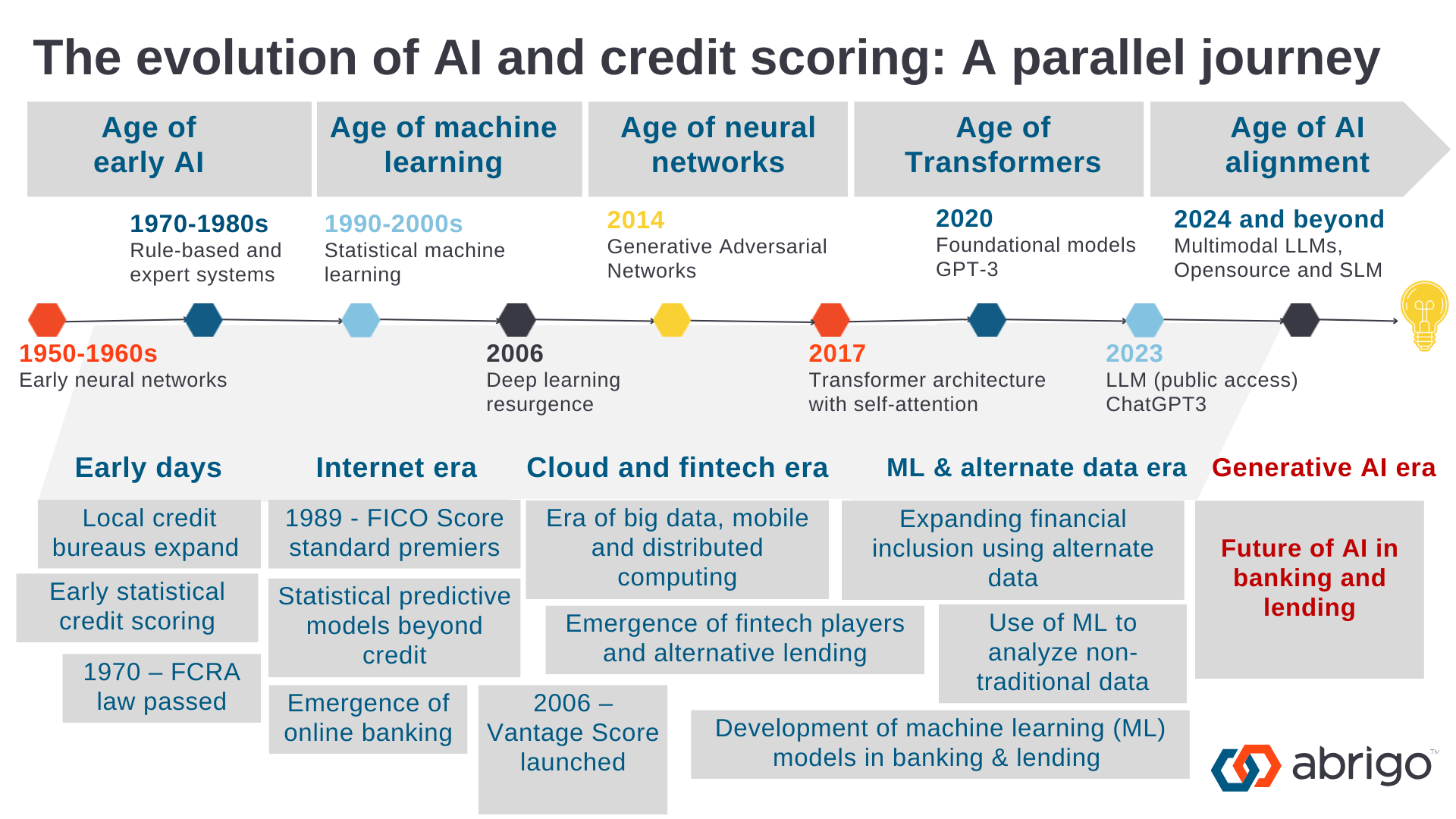
The origins of AI investment can be traced to the 1980s and 1990s, when early AI companies like Symbolics and Thinking Machines attracted venture capital funding. However, these investments were largely speculative, with limited commercial success due to the computational limitations of the era. The field experienced a lull during the "AI winter" of the 1990s, when disillusionment with AI's practical applications led to reduced funding. The resurgence of AI investment began in the mid-2000s, fueled by advancements in machine learning algorithms, the availability of big data, and the proliferation of cloud computing. Key milestones include:
- 2006: Geoffrey Hinton’s work on deep learning revitalized interest in neural networks.
- 2011: IBM’s Watson defeated human champions on Jeopardy!, demonstrating AI’s potential in natural language understanding.
- 2012: The ImageNet competition showcased the superiority of deep learning in computer vision, sparking a wave of startup formations.
- 2016: Google’s AlphaGo defeated a world champion Go player, highlighting AI’s strategic capabilities. The 2010s saw a dramatic increase in AI funding, with venture capital investments growing from $3.6 billion in 2013 to over $40 billion by 2022. The COVID-19 pandemic accelerated digital transformation, further boosting demand for AI-driven solutions in healthcare, e-commerce, and remote work technologies. The launch of generative AI models like DALL·E (2021) and ChatGPT (2022) marked a new era, with investors pouring capital into startups developing foundation models and AI-powered applications.
#How It Works
#Investment Mechanisms AI startups typically raise capital through multiple funding rounds, each aligned with specific milestones:
- Seed Funding: Early-stage capital (typically $500K–$2M) for proof-of-concept development, team building, and initial product iterations. Investors include angel networks, pre-seed funds, and accelerators.
- Series A: Larger rounds ($5M–$20M) to scale operations, hire talent, and refine product-market fit. Venture capital firms specializing in AI or deep tech lead these rounds.
- Series B and Beyond: Growth-stage funding ($20M–$100M+) to expand market reach, acquire customers, and achieve profitability. Private equity firms and corporate investors often participate.
- IPO or Acquisition: Mature AI companies may go public (e.g., UiPath, Palantir) or be acquired by larger tech firms (e.g., GitHub by Microsoft, DeepMind by Google).
#Key Investment Criteria Investors evaluate AI startups based on several factors:
- Technology Differentiation: Proprietary algorithms, unique datasets, or breakthroughs in model efficiency (e.g., smaller, faster LLMs).
- Market Opportunity: Addressing large, growing markets with clear demand (e.g., healthcare diagnostics, autonomous vehicles).
- Team Expertise: Founders with deep AI research backgrounds or industry-specific experience.
- Traction Metrics: User adoption, revenue growth, and partnerships with established enterprises.
- Ethical and Regulatory Compliance: Adherence to data privacy laws (GDPR, CCPA) and responsible AI practices.
#Funding Trends
- Generative AI: Startups in text-to-image, text-to-video, and code generation have seen explosive growth, with companies like Midjourney and Stability AI raising hundreds of millions.
- AI Infrastructure: Investments in GPU clusters, model optimization tools, and cloud platforms (e.g., Hugging Face, Scale AI).
- Vertical-Specific AI: Solutions tailored for healthcare (e.g., PathAI), finance (e.g., Numerai), and agriculture (e.g., Taranis).
- Ethical AI: Startups focusing on bias mitigation, explainability, and regulatory compliance are gaining traction.
#Important Facts
- Global AI Investment Surge: Global AI startup funding reached $102 billion in 2023, a 10x increase from 2015, according to PitchBook.
- Dominance of the U.S.: The U.S. accounts for ~50% of global AI investments, followed by China (~25%) and Europe (~15%).
- Corporate Venture Arms: Over 60% of Fortune 500 companies have corporate venture capital arms investing in AI startups.
- Generative AI Boom: Generative AI startups raised $14 billion in 2023, up from $2.1 billion in 2022, per CB Insights.
- Sovereign Wealth Funds: Funds like Singapore’s Temasek and Saudi Arabia’s PIF have allocated billions to AI, often through partnerships with global VCs.
- AI Unicorns: As of 2024, there are over 100 AI startups valued at $1 billion or more, including OpenAI (estimated $80B valuation), Anthropic ($50B), and Mistral AI ($2B).
- Job Creation: AI startups have created over 500,000 jobs globally, with high demand for roles in machine learning engineering, data science, and AI ethics.
- Regulatory Challenges: The EU’s AI Act (2024) and U.S. executive orders on AI safety are reshaping investment strategies, particularly for high-risk applications.
#Timeline
- Foundational ideas
Core concepts and early methods shape Who Is Investing in AI Startups?.
- Practical use
Tools, examples, and real-world deployments make the topic easier to evaluate.
- Responsible implementation
Current work focuses on reliability, governance, performance, and measurable impact.
#Related Terms
#FAQ
What does Who Is Investing in AI Startups? cover?
Profiles Who Is Investing in AI Startups, including background, AI-related work, influence, and important context.
Why is Who Is Investing in AI Startups? important?
It helps readers understand key concepts, compare practical use cases, and evaluate how Business & Marketing decisions affect outcomes, risks, and implementation choices.
What should readers verify before applying this topic?
Readers should compare benefits, limitations, data requirements, and related themes such as Investing, AI, Startups before using the ideas in real projects.
#References
- Who Is Investing in AI Startups? terminology and background research
- Who Is Investing in AI Startups? use cases, implementation examples, and limitations
- Business & Marketing best practices, standards, and risk guidance
- Investing case studies, benchmarks, and current industry analysis


Comments
No comments yet. Start the discussion with a useful note.