


#Short Answer
Reviews review: best ai writing assistants in 2026, covering notable options, strengths, limitations, and practical selection factors.
#Infobox
#Overview
AI writing assistants in 2026 represent a paradigm shift in how individuals and organizations approach content creation. Unlike traditional word processors, these tools are equipped with sophisticated AI models capable of understanding context, tone, and intent, enabling them to produce coherent, engaging, and contextually relevant text. The integration of large language models (LLMs) such as those based on transformer architectures has significantly improved the quality and versatility of AI-generated content. By 2026, AI writing assistants have transcended their initial role as simple grammar-checking tools to become comprehensive writing ecosystems. They now offer features such as:
- Automated research and fact-checking to ensure accuracy.
- SEO optimization with real-time keyword suggestions.
- Multilingual support for global content creation.
- Emotion and sentiment analysis to tailor content for specific audiences.
- Integration with cloud storage and collaboration platforms for seamless workflow management. These advancements have democratized high-quality writing, allowing users with varying levels of expertise to produce professional-grade content efficiently.
#History / Background
#Early Development (2010s–2020)
The concept of AI-assisted writing emerged in the early 2010s with the advent of basic grammar and spell-check tools like Grammarly. These tools primarily focused on correcting errors and improving readability. The introduction of AI-powered writing assistants gained momentum with the rise of natural language processing (NLP) technologies, enabling more sophisticated text generation and editing capabilities.
#Breakthroughs in AI (2020–2023)
The launch of advanced language models such as GPT-3 in 2020 marked a turning point. These models demonstrated an unprecedented ability to generate human-like text, leading to the development of AI writing assistants like Jasper, Copy.ai, and Notion AI. During this period, the focus shifted from mere error correction to content generation, brainstorming, and even creative writing.
#Maturation and Integration (2024–2026)
By 2024, AI writing assistants had become more intuitive and user-friendly, incorporating features like real-time collaboration, voice-to-text input, and context-aware suggestions. The integration of AI with other productivity tools, such as project management software and CRM systems, further enhanced their utility. By 2026, these tools have evolved into indispensable assets for professionals across industries, driven by continuous improvements in AI model training and user interface design.
#How It Works
AI writing assistants operate through a combination of natural language processing (NLP), machine learning (ML), and large language models (LLMs). The process can be broken down into several key stages:
#1. Input Processing Users provide input in various forms, such as:
- Text prompts (e.g., "Write a blog post about AI in healthcare").
- Voice commands (converted to text via speech recognition).
- Existing documents (for editing, summarizing, or expanding).
#2. Contextual Understanding The AI model analyzes the input to understand the context, tone, and intent. This involves:
- Tokenization: Breaking down the input into meaningful units (tokens).
- Semantic analysis: Identifying the meaning and relationships between words.
- Intent recognition: Determining the user's goal (e.g., inform, persuade, entertain).
#3. Content Generation Based on the input and contextual understanding, the AI generates text using:
- Predictive text generation: Suggesting completions for sentences or paragraphs.
- Template-based generation: Filling in pre-defined templates with relevant data.
- Custom model fine-tuning: Adapting the AI's output to match specific styles or requirements.
#4. Editing and Optimization The AI assists in refining the generated content by:
- Grammar and syntax correction: Identifying and fixing errors.
- Style and tone adjustment: Ensuring consistency with the desired voice.
- SEO optimization: Recommending keywords and meta descriptions.
- Plagiarism detection: Comparing content against databases to ensure originality.
#5. Output Delivery The final content is delivered to the user in the desired format, which may include:
- Direct text output for immediate use.
- Export options (e.g., PDF, Word, Markdown).
- Integration with other tools (e.g., email clients, CMS platforms).
#6. Continuous Learning AI writing assistants improve over time through:
- User feedback: Incorporating corrections and preferences.
- Data updates: Staying current with language trends and industry-specific terminology.
- Model retraining: Enhancing accuracy and relevance with new data.
#Important Facts
#1. Accuracy and Reliability Modern AI writing assistants achieve an accuracy rate of over 90% in grammar and syntax correction. However, users should always review AI-generated content for factual accuracy, as the tools may occasionally produce hallucinations or outdated information.
#2. Customization and Personalization AI writing assistants can be fine-tuned to match specific writing styles, brand voices, or industry jargon. This customization ensures that the output aligns with the user's requirements.
#3. Multilingual Capabilities By 2026, most AI writing assistants support over 50 languages, with advanced models capable of translating and generating content in multiple languages simultaneously.
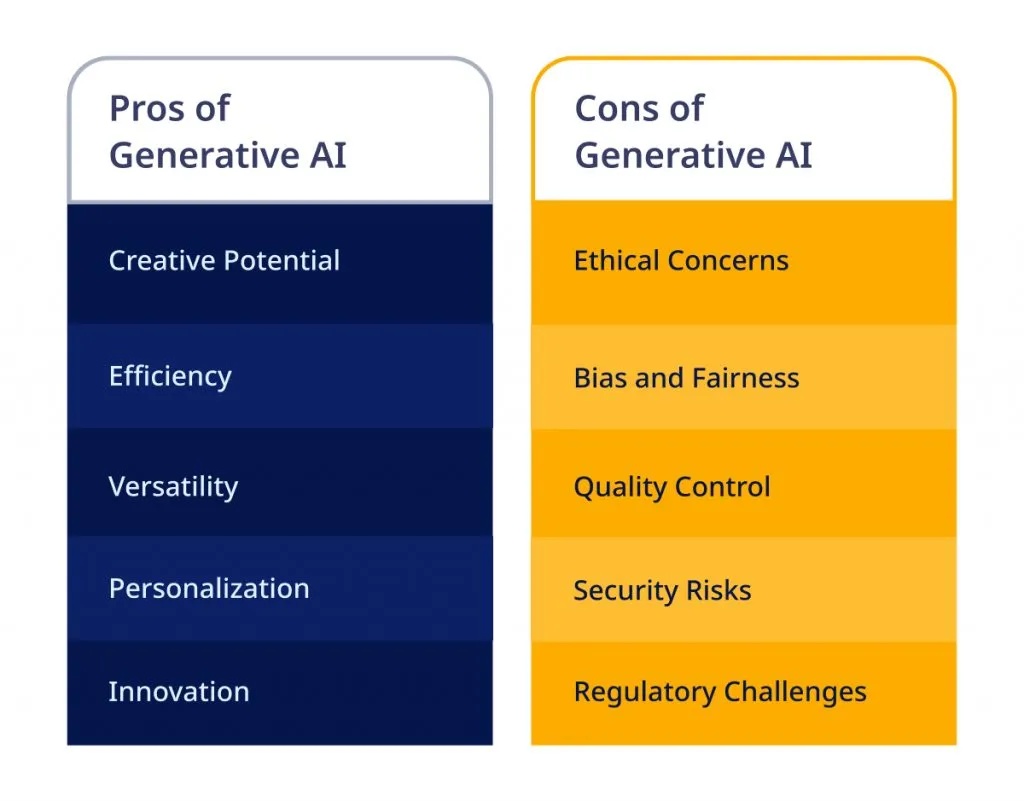
#4. Ethical Considerations The use of AI writing assistants raises ethical concerns, including:
- Plagiarism: AI-generated content may inadvertently replicate existing material.
- Bias: AI models can perpetuate biases present in their training data.
- Job displacement: Concerns about AI replacing human writers in certain roles.
#5. Cost and Accessibility While some AI writing tools offer free tiers, premium features often require a subscription. The cost varies based on usage, with enterprise-level plans providing advanced functionalities for businesses.
#6. Integration with Other Tools AI writing assistants seamlessly integrate with popular productivity tools, such as:
- Google Workspace and Microsoft 365 for document editing.
- Slack and Microsoft Teams for real-time collaboration.
- WordPress and Shopify for content management and e-commerce.
#Timeline
- Foundational ideas
Core concepts and early methods shape Review: Best AI Writing Assistants in 2026.
- Practical use
Tools, examples, and real-world deployments make the topic easier to evaluate.
- Responsible implementation
Current work focuses on reliability, governance, performance, and measurable impact.
#Related Terms
#FAQ
What does Review: Best AI Writing Assistants in 2026 cover?
Reviews review: best ai writing assistants in 2026, covering notable options, strengths, limitations, and practical selection factors.
Why is Review: Best AI Writing Assistants in 2026 important?
It helps readers understand key concepts, compare practical use cases, and evaluate how Generative AI decisions affect outcomes, risks, and implementation choices.
What should readers verify before applying this topic?
Readers should compare benefits, limitations, data requirements, and related themes such as Review, Best, AI before using the ideas in real projects.
#References
- Review: Best AI Writing Assistants in 2026 terminology and background research
- Review: Best AI Writing Assistants in 2026 use cases, implementation examples, and limitations
- Generative AI best practices, standards, and risk guidance
- Review case studies, benchmarks, and current industry analysis

Comments
No comments yet. Start the discussion with a useful note.