


#Short Answer
Reviews review: best ai video tools in 2026, covering notable options, strengths, limitations, and practical selection factors.
#Infobox
#Overview
In 2026, AI video tools have become a cornerstone of digital content creation, enabling users to produce high-quality videos with minimal effort. These tools utilize deep learning, natural language processing (NLP), and computer vision to automate tasks such as scripting, editing, voiceovers, and even deepfake-style video generation. The integration of generative AI has further expanded their capabilities, allowing for the creation of personalized and hyper-realistic videos at scale. The demand for AI video tools has surged due to the exponential growth of video content across platforms like YouTube, TikTok, LinkedIn, and corporate websites. Businesses leverage these tools for marketing, training, and customer engagement, while educators use them to create interactive and visually appealing lessons. The accessibility of these tools has democratized video production, reducing the need for expensive equipment and specialized skills.
#History / Background
The evolution of AI video tools can be traced back to early experiments with automated video editing in the 2010s. Tools like Adobe Premiere Pro introduced basic AI features, such as auto-cropping and color correction, but they were limited in scope. The breakthrough came with the advent of deep learning and generative AI in the mid-2010s, which enabled more sophisticated applications. By 2020, platforms like Runway ML and Synthesia began offering AI-driven video generation, allowing users to create videos from text prompts. The COVID-19 pandemic accelerated adoption, as remote work and digital communication became the norm. Companies like Descript and Pictory emerged, focusing on automated video editing and voice synthesis. The year 2024 marked a significant milestone with the release of advanced AI models capable of generating realistic human avatars and voices. Tools like HeyGen and InVideo introduced features such as AI-powered lip-syncing and real-time video enhancement. By 2026, these tools have matured, offering seamless integration with cloud platforms and support for multiple languages.
#How It Works
AI video tools operate through a combination of machine learning models and cloud-based processing. The core technologies include:
#
- Natural Language Processing (NLP) - AI video tools use NLP to analyze text inputs and generate scripts, captions, or voiceovers. For example, a user can input a topic, and the tool will generate a fully scripted video with appropriate pacing and structure.
#
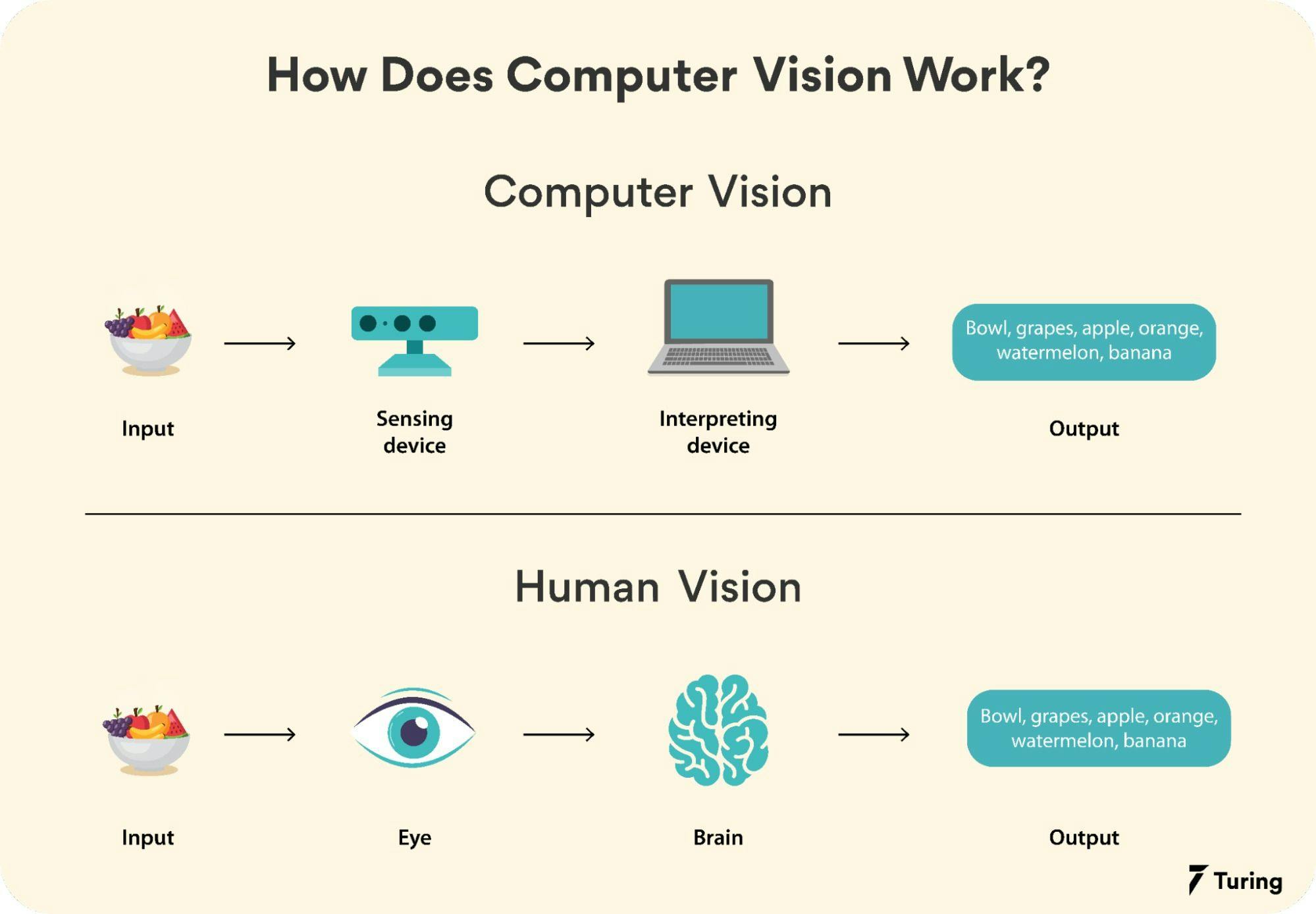
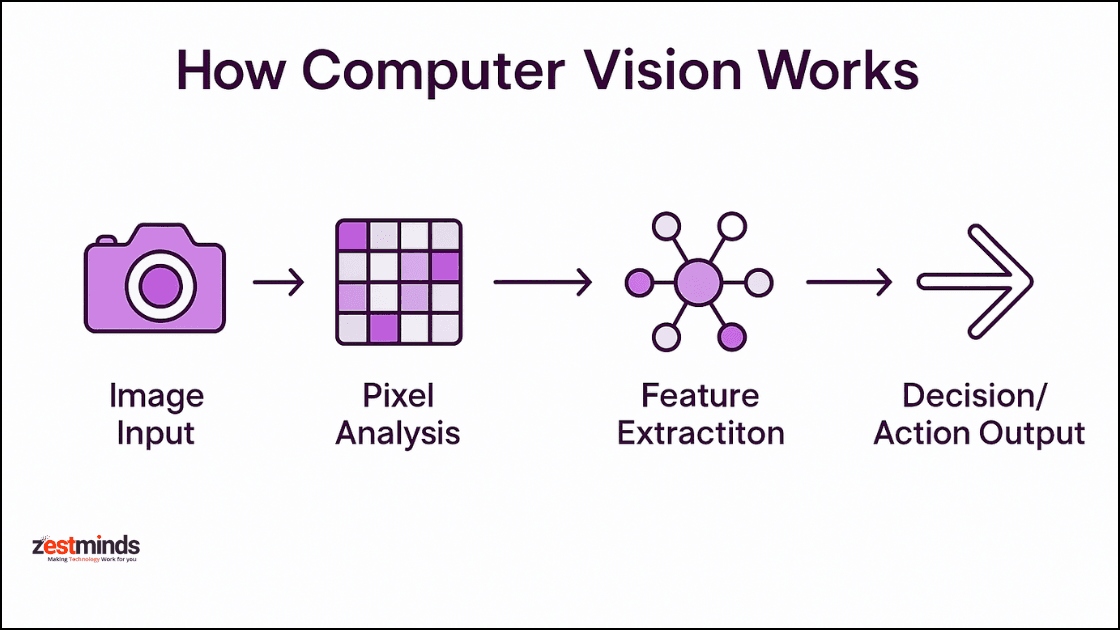
- Computer Vision - Computer vision algorithms analyze video footage to detect scenes, objects, and faces. This enables features like automated cropping, object removal, and background replacement.
#
- Generative AI - Generative AI models, such as diffusion models and transformers, create realistic visuals and audio. For instance, tools like Synthesia use generative AI to produce AI avatars that can deliver speeches or presentations.
#
- Voice Synthesis - AI voice synthesis converts text into natural-sounding speech. Advanced models like ElevenLabs and Murf.ai offer customizable voices with emotional inflections.
#
- Automated Editing - AI tools analyze raw footage to identify key moments, trim unnecessary segments, and apply transitions. Some tools, like VEED.io, also offer AI-powered subtitling and translation.
#
- Real-Time Enhancement - AI enhances video quality by upscaling resolution, reducing noise, and improving lighting. Tools like Topaz Video AI specialize in this area, making low-quality footage usable.
#Important Facts
- Efficiency: AI video tools can reduce video production time by up to 90%, allowing creators to focus on storytelling rather than technical details.
- Cost-Effectiveness: Traditional video production can cost thousands of dollars, while AI tools offer subscription-based models starting at $10–$50 per month.
- Accessibility: These tools support multiple languages, making them ideal for global audiences. Some tools even offer real-time translation for live videos.
- Ethical Considerations: The rise of AI-generated videos has sparked debates about deepfakes and misinformation. Platforms like Synthesia include watermarks to indicate AI-generated content.
- Integration: Most AI video tools integrate with popular platforms like YouTube, Zoom, and social media networks, streamlining the publishing process.
- Customization: Users can fine-tune AI-generated videos with manual adjustments, ensuring the final product aligns with their brand or message.
#Timeline
- Foundational ideas
Core concepts and early methods shape Review: Best AI Video Tools in 2026.
- Practical use
Tools, examples, and real-world deployments make the topic easier to evaluate.
- Responsible implementation
Current work focuses on reliability, governance, performance, and measurable impact.
#Related Terms
#FAQ
What does Review: Best AI Video Tools in 2026 cover?
Reviews review: best ai video tools in 2026, covering notable options, strengths, limitations, and practical selection factors.
Why is Review: Best AI Video Tools in 2026 important?
It helps readers understand key concepts, compare practical use cases, and evaluate how Computer Vision decisions affect outcomes, risks, and implementation choices.
What should readers verify before applying this topic?
Readers should compare benefits, limitations, data requirements, and related themes such as Review, Best, AI before using the ideas in real projects.
#References
- Review: Best AI Video Tools in 2026 terminology and background research
- Review: Best AI Video Tools in 2026 use cases, implementation examples, and limitations
- Computer Vision best practices, standards, and risk guidance
- Review case studies, benchmarks, and current industry analysis


Comments
No comments yet. Start the discussion with a useful note.