

#Short Answer
Explains how does ai in transportation work?, including the main process, tools, examples, risks, and practical implementation steps.
#Infobox
#Overview
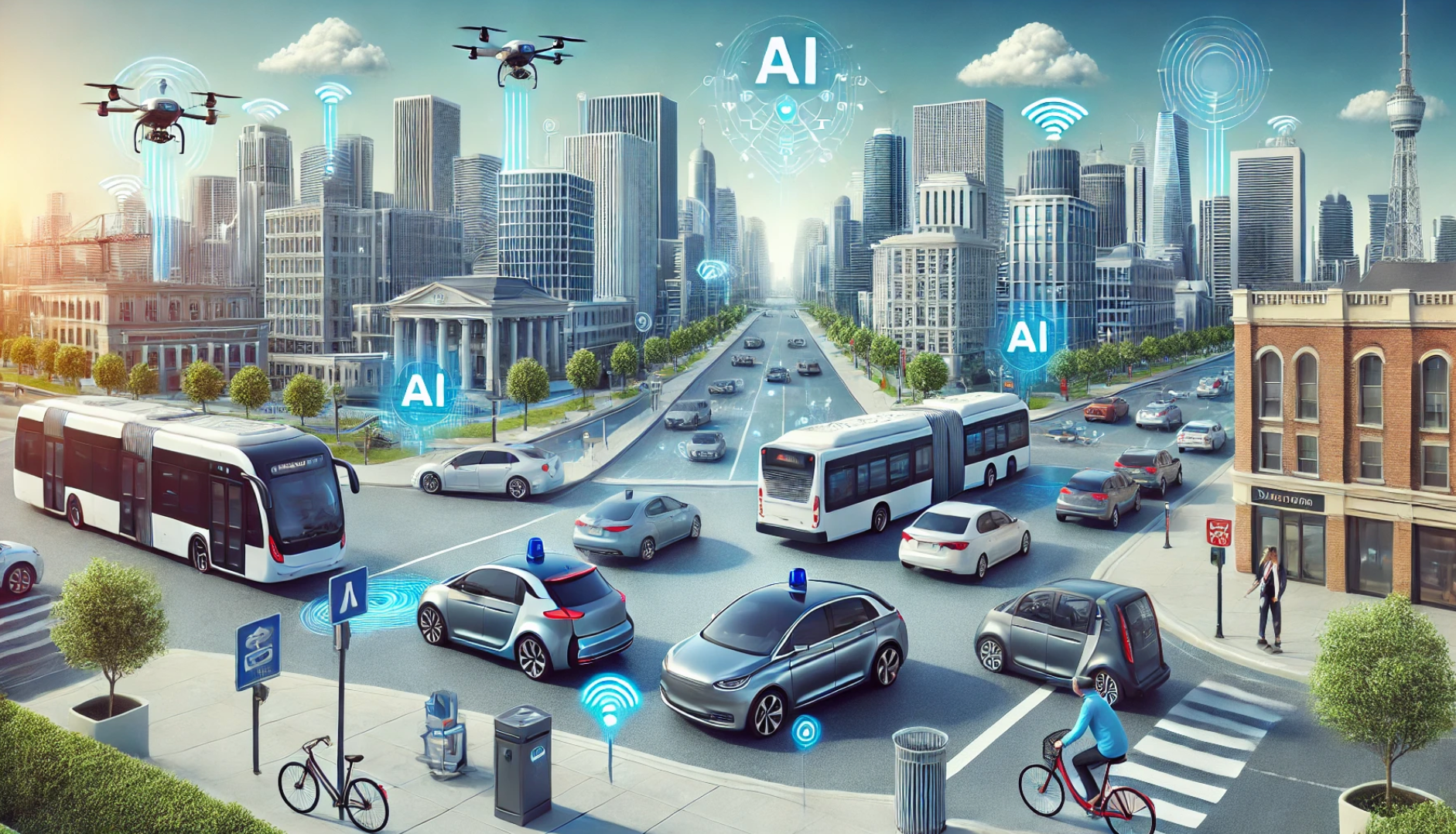
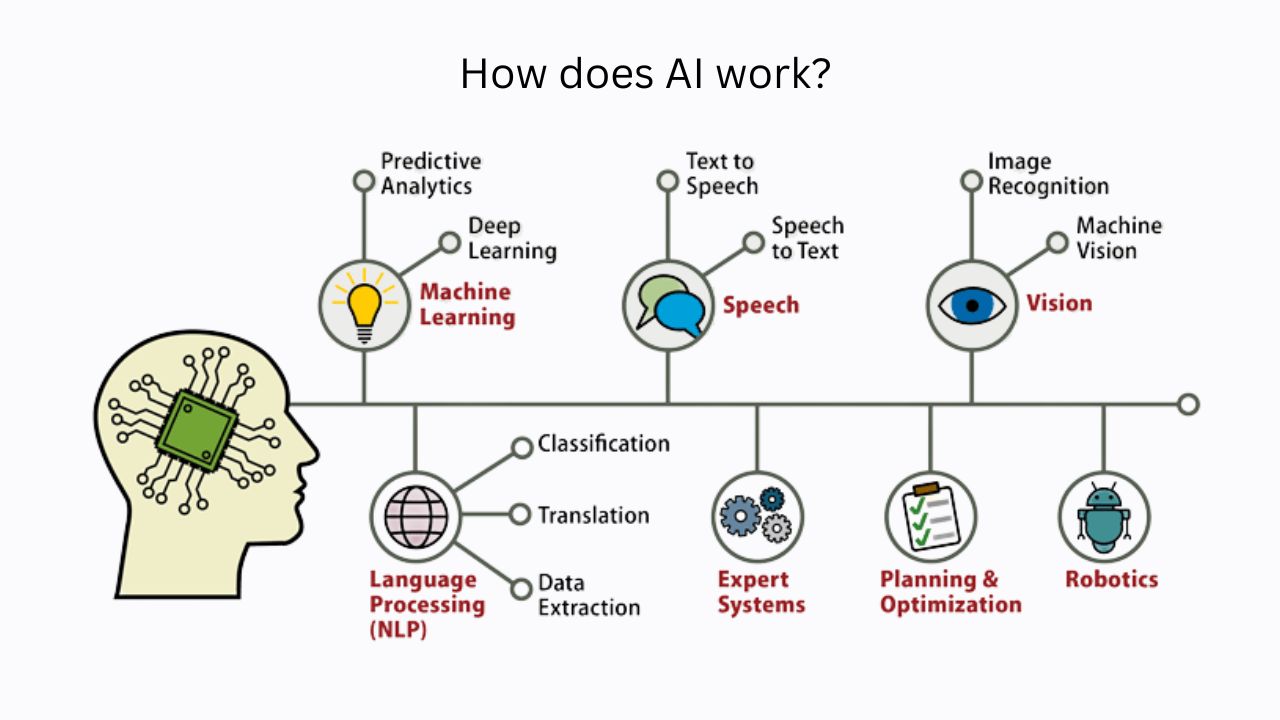
Artificial Intelligence (AI) has revolutionized the transportation sector by introducing intelligent systems that enhance mobility, safety, and sustainability. From autonomous vehicles to smart traffic management, AI-driven solutions analyze vast datasets to make real-time decisions, reducing human error and improving operational efficiency. The integration of AI in transportation spans multiple domains, including road, rail, air, and maritime sectors, each benefiting from predictive analytics, computer vision, and robotic process automation. AI in transportation is not limited to passenger vehicles; it also plays a critical role in logistics, public transit, and infrastructure management. By processing data from sensors, cameras, and IoT devices, AI systems optimize routes, predict maintenance needs, and enhance traffic flow. The adoption of AI is accelerating due to advancements in computing power, the proliferation of connected devices, and the growing demand for sustainable and efficient transportation solutions.
#History / Background
The concept of AI in transportation dates back to the 1980s when early experiments in traffic signal control and route optimization were conducted. One of the first notable applications was the development of adaptive traffic control systems, which used rule-based algorithms to adjust signal timings based on real-time traffic conditions. However, these systems were limited by the computational power of the time. The 1990s saw significant progress with the introduction of neural networks and machine learning techniques. Researchers began exploring AI-driven autonomous vehicle prototypes, with projects like Carnegie Mellon University’s Navlab and the DARPA-funded Autonomous Land Vehicle (ALV) paving the way for modern self-driving cars. The Defense Advanced Research Projects Agency (DARPA) played a pivotal role in advancing AI in transportation through challenges like the DARPA Grand Challenge (2004–2007), which encouraged the development of fully autonomous vehicles. The 2010s marked a turning point with the rise of deep learning and big data analytics. Companies like Tesla, Waymo, and Uber invested heavily in AI-driven autonomous vehicle technology, while governments and municipalities began deploying smart traffic management systems. The introduction of ride-sharing platforms and electric vehicles further accelerated the adoption of AI in transportation. Today, AI is a cornerstone of modern mobility solutions, with applications ranging from predictive maintenance in railways to AI-powered air traffic control systems.
#How It Works
#Autonomous Vehicles Autonomous vehicles rely on a combination of sensors, AI algorithms, and high-performance computing to navigate roads safely. Key components include:
- Sensors: LiDAR (Light Detection and Ranging), radar, ultrasonic sensors, and cameras capture real-time data about the vehicle’s surroundings.
- Perception Systems: AI-powered computer vision algorithms process sensor data to identify objects such as pedestrians, other vehicles, and traffic signs.
- Localization and Mapping: Simultaneous Localization and Mapping (SLAM) algorithms combine sensor data with high-definition maps to determine the vehicle’s precise location.
- Path Planning: AI-driven decision-making systems use reinforcement learning and predictive modeling to determine the safest and most efficient route.
- Control Systems: AI algorithms adjust throttle, braking, and steering in real time to ensure smooth and safe operation.
#Traffic Management AI enhances traffic management through intelligent systems that analyze and optimize traffic flow. Key technologies include:
- Adaptive Traffic Signals: AI algorithms adjust signal timings based on real-time traffic data, reducing congestion and improving travel times.
- Predictive Analytics: Machine learning models analyze historical and real-time data to predict traffic patterns, enabling proactive management strategies.
- Smart Cameras and Sensors: IoT-enabled devices monitor traffic conditions, detect incidents, and alert authorities or reroute traffic automatically.
- Dynamic Routing: AI-powered navigation apps like Google Maps and Waze use real-time data to suggest optimal routes, reducing travel time and fuel consumption.
#Fleet Management and Logistics AI optimizes fleet operations by improving route planning, fuel efficiency, and maintenance schedules. Key applications include:
- Predictive Maintenance: Machine learning models analyze vehicle sensor data to predict equipment failures before they occur, reducing downtime and repair costs.
- Route Optimization: AI algorithms calculate the most efficient routes for delivery trucks, delivery drones, and public transit vehicles, minimizing fuel consumption and emissions.
- Load Balancing: AI systems optimize cargo distribution in shipping containers and trucks, ensuring efficient use of space and reducing transportation costs.
- Driver Assistance Systems: AI-powered tools like lane-keeping assist, adaptive cruise control, and collision avoidance systems enhance driver safety and reduce accidents.
#Public Transit and Rail Systems AI is transforming public transit by improving scheduling, passenger experience, and operational efficiency. Key applications include:
- Smart Ticketing: AI-driven systems analyze passenger flow and demand to optimize ticket pricing and reduce wait times.
- Predictive Maintenance for Rail: Machine learning models monitor train components to predict failures, ensuring timely repairs and reducing service disruptions.
- Autonomous Trains: AI-powered systems enable fully automated metro and commuter trains, improving punctuality and reducing human error.
- Passenger Information Systems: AI chatbots and virtual assistants provide real-time updates on schedules, delays, and alternative routes.
#Air and Maritime Transportation AI is also making inroads in air and maritime transportation, where safety and efficiency are paramount.
- Air Traffic Control: AI systems assist air traffic controllers by predicting flight paths, detecting potential conflicts, and optimizing runway usage.
- Autonomous Drones: AI-powered drones are used for package delivery, surveillance, and search-and-rescue operations in remote areas.
- Maritime Navigation: AI algorithms optimize shipping routes to reduce fuel consumption and avoid hazards, while autonomous ships are being developed for safer and more efficient cargo transport.
#Important Facts
- Safety Improvements: AI-driven autonomous vehicles have the potential to reduce traffic accidents by up to 90%, according to studies by the National Highway Traffic Safety Administration (NHTSA).
- Fuel Efficiency: AI-powered route optimization can reduce fuel consumption by 10–20% in commercial fleets.
- Traffic Reduction: Smart traffic management systems can reduce urban congestion by up to 30%, as demonstrated in cities like Singapore and Los Angeles.
- Cost Savings: Predictive maintenance using AI can reduce maintenance costs by up to 30% and extend the lifespan of vehicles and infrastructure.
- Emissions Reduction: AI-driven logistics optimization can lower CO₂ emissions by up to 15% in the transportation sector.
- Job Creation: The AI in transportation market is projected to create over 10 million new jobs globally by 2030, according to the World Economic Forum.
- Regulatory Challenges: The deployment of AI in transportation faces regulatory hurdles, particularly in autonomous vehicle legislation, which varies significantly across countries.
- Data Privacy Concerns: AI systems rely on vast amounts of data, raising concerns about privacy and security, especially in connected and autonomous vehicles.
#Timeline
- Foundational ideas
Core concepts and early methods shape How Does AI in Transportation Work?.
- Practical use
Tools, examples, and real-world deployments make the topic easier to evaluate.
- Responsible implementation
Current work focuses on reliability, governance, performance, and measurable impact.
#Related Terms
#FAQ
What does How Does AI in Transportation Work? cover?
Explains how does ai in transportation work?, including the main process, tools, examples, risks, and practical implementation steps.
Why is How Does AI in Transportation Work? important?
It helps readers understand key concepts, compare practical use cases, and evaluate how Artificial Intelligence decisions affect outcomes, risks, and implementation choices.
What should readers verify before applying this topic?
Readers should compare benefits, limitations, data requirements, and related themes such as Does, AI, Transportation before using the ideas in real projects.
#References
- How Does AI in Transportation Work? terminology and background research
- How Does AI in Transportation Work? use cases, implementation examples, and limitations
- Artificial Intelligence best practices, standards, and risk guidance
- Does case studies, benchmarks, and current industry analysis
Comments
No comments yet. Start the discussion with a useful note.