

#Short Answer
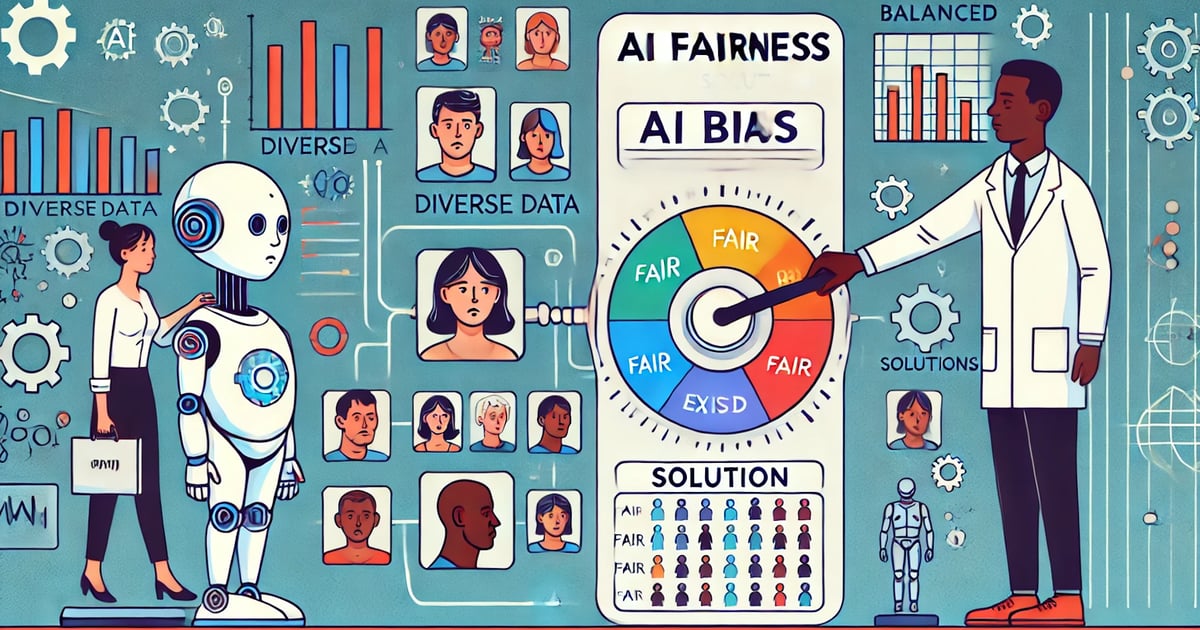
Artificial intelligence (AI) systems increasingly influence critical decisions in finance, healthcare, employment, and criminal justice. However, these systems can inadvertently perpetuate or amplify biases present in their training data or design, leading to discriminatory outcomes. AI bias manifests in various forms, including racial, gender, socioeconomic, and cultural discrimination, often reflecting historical prejudices embedded in society. The consequences of unchecked AI bias range from reinforcing systemic inequalities to eroding public trust in technology.
#Infobox
#Overview
Artificial intelligence (AI) systems increasingly influence critical decisions in finance, healthcare, employment, and criminal justice. However, these systems can inadvertently perpetuate or amplify biases present in their training data or design, leading to discriminatory outcomes. AI bias manifests in various forms, including racial, gender, socioeconomic, and cultural discrimination, often reflecting historical prejudices embedded in society. The consequences of unchecked AI bias range from reinforcing systemic inequalities to eroding public trust in technology.
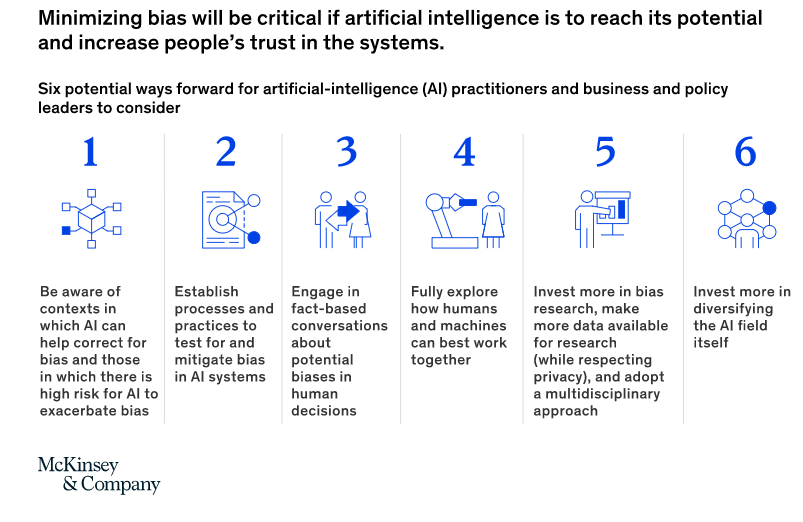
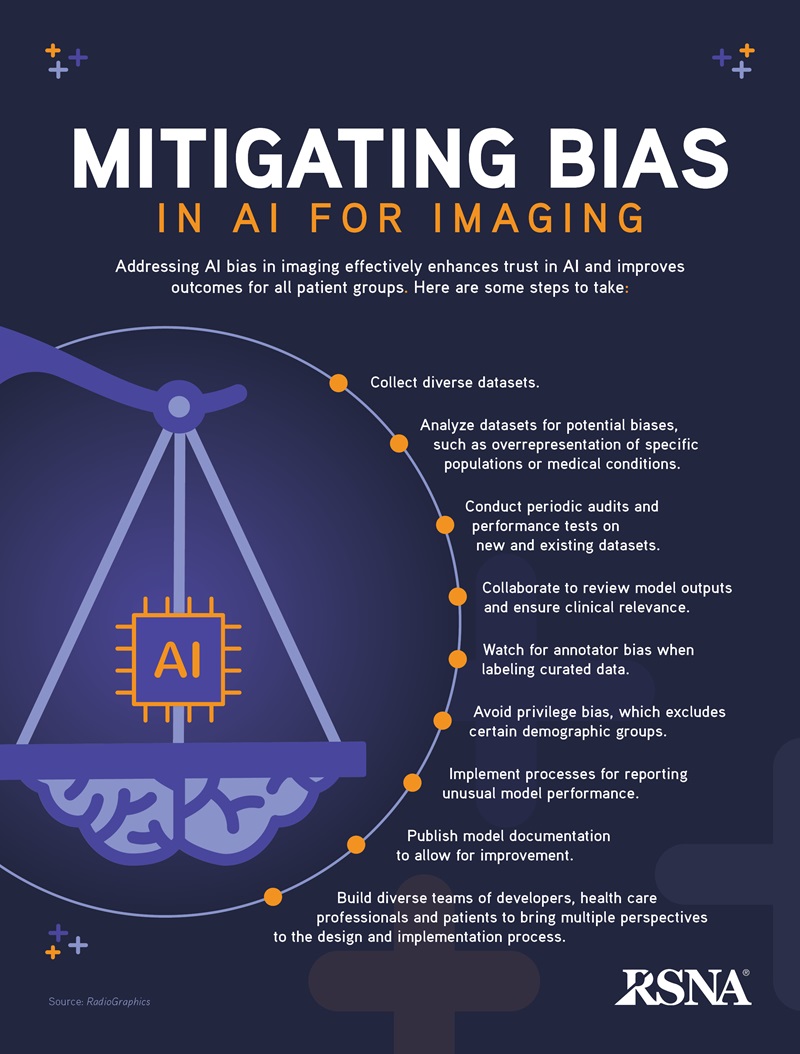
Efforts to mitigate AI bias involve interdisciplinary approaches, combining technical solutions (e.g., fairness-aware algorithms) with ethical guidelines and regulatory measures. Organizations such as the European Commission, NIST, and IEEE have developed frameworks to assess and reduce bias in AI systems. Despite progress, challenges remain in defining fairness metrics, ensuring transparency, and balancing bias mitigation with performance optimization.
#History / Background
#Early recognition
Concerns about AI bias emerged in the 1980s and 1990s as machine learning models gained prominence in decision-making. Early studies, such as those by Morton Deutsch and Susan Fiske, highlighted how algorithms could replicate human biases when trained on skewed data. The 2010s saw a surge in research following high-profile cases, such as COMPAS (a recidivism prediction tool) being accused of racial bias in U.S. courts.
#High-profile cases
- Amazon’s hiring algorithm (2018): A machine learning model favored male candidates for technical roles due to training data skewed toward male resumes.
- Google Photos (2015): Misclassified Black individuals as gorillas, reflecting racial bias in image recognition datasets.
- COMPAS (2016): A study by ProPublica found that the tool disproportionately flagged Black defendants as high-risk for recidivism.
- Facial recognition (2020): Systems like Clearview AI exhibited higher error rates for darker-skinned individuals, raising privacy and civil liberties concerns.
#Regulatory and industry response
Governments and organizations have begun implementing measures to address AI bias:
- European Union: The AI Act (2024) classifies high-risk AI systems and mandates bias assessments.
- United States: The Algorithmic Accountability Act (proposed) and NIST AI Risk Management Framework emphasize transparency and fairness.
- Industry standards: The IEEE 7000 series provides ethical guidelines for AI development, while ISO/IEC 23894 outlines risk management practices.
#How It Works
#Sources of bias
AI bias arises from multiple sources, often interacting in complex ways:
- Training data bias: If historical data reflects societal prejudices (e.g., underrepresentation of minorities in healthcare datasets), AI models will replicate these patterns.
- Algorithmic bias: Design choices, such as feature selection or optimization objectives, can inadvertently favor certain groups. For example, a loan approval model might prioritize credit scores over alternative data, disadvantaging low-income applicants.
- Measurement bias: Flaws in data collection (e.g., using arrest records as a proxy for crime rates) can skew outcomes.
- Historical bias: Existing inequalities in society (e.g., gender pay gaps) are encoded into AI systems if not corrected.
- Aggregation bias: Models trained on aggregated data may overlook subgroup disparities (e.g., a healthcare AI performing poorly for specific ethnic groups).
#Types of AI bias
#Detection and measurement
Identifying AI bias requires a combination of statistical methods and domain expertise:
- Disparate impact analysis: Comparing outcomes across demographic groups (e.g., using the 4/5ths rule).
- Fairness metrics: Tools like demographic parity, equal opportunity, and predictive parity quantify bias.
- Bias audits: Third-party reviews of AI systems for compliance with ethical standards.
- Explainability techniques: Methods like SHAP values or LIME to interpret model decisions.
#Important Facts
- AI bias can emerge even in systems trained on "neutral" data if the underlying problem definition is flawed (e.g., optimizing for accuracy without considering fairness).
- Mitigating bias often involves trade-offs between fairness and performance; for example, reducing false positives in hiring may increase false negatives.
- Bias in AI is not limited to race and gender; it can also affect socioeconomic status, age, disability, and other protected attributes.
- Open-source tools like Fairlearn, Aequitas, and IBM AI Fairness 360 help developers detect and correct bias.
- Regulatory frameworks increasingly require bias assessments for high-risk AI systems, such as those used in hiring or lending.
- Bias can propagate through AI pipelines; for example, biased data in training leads to biased synthetic data in generative models.
#Timeline
- Concept conceptualized
Initial research and foundations established for AI Bias: How To Fix It.
- First integration
First successful deployment and testing phase of AI Bias: How To Fix It in the industry.
- Global standards
Global standards are released for unified deployment and validation of AI Bias: How To Fix It.
- Modern scaling
Widespread global adoption and real-time optimization of AI Bias: How To Fix It networks.
#Related Terms
#FAQ
What does AI Bias: How To Fix It cover?
AI bias: how to fix IT covers practical examples, benefits, limitations, and important considerations for readers.
Why is AI Bias: How To Fix It important?
It helps readers understand key concepts, compare practical use cases, and evaluate how AI Ethics decisions affect outcomes, risks, and implementation choices.
What should readers verify before applying this topic?
Readers should compare the benefits, limitations, data requirements, and related themes such as Tutorial, Bias, Fix before using the ideas in real projects.
#References
- AI Bias: How To Fix It terminology and background research
- AI Bias: How To Fix It use cases, implementation examples, and limitations
- AI Ethics best practices, standards, and risk guidance
- Tutorial case studies, benchmarks, and current industry analysis

Comments
No comments yet. Start the discussion with a useful note.