

#Short Answer
Explores how artificial intelligence shapes transparency and open processes, covering practical use cases, benefits, limitations, and risks.
#Infobox
AI transparency refers to the openness and explainability of artificial intelligence systems, ensuring their decisions, processes, and data usage are understandable and auditable. AI Transparency Field Artificial intelligence Key Concepts Explainability, accountability, auditability, interpretability Prominent Figures Kate Crawford, Cynthia Dwork, Zoubin Ghahramani Related Fields AI ethics, Explainable AI (XAI), Machine learning Notable Reports AI Now Report, Partnership on AI
#Overview
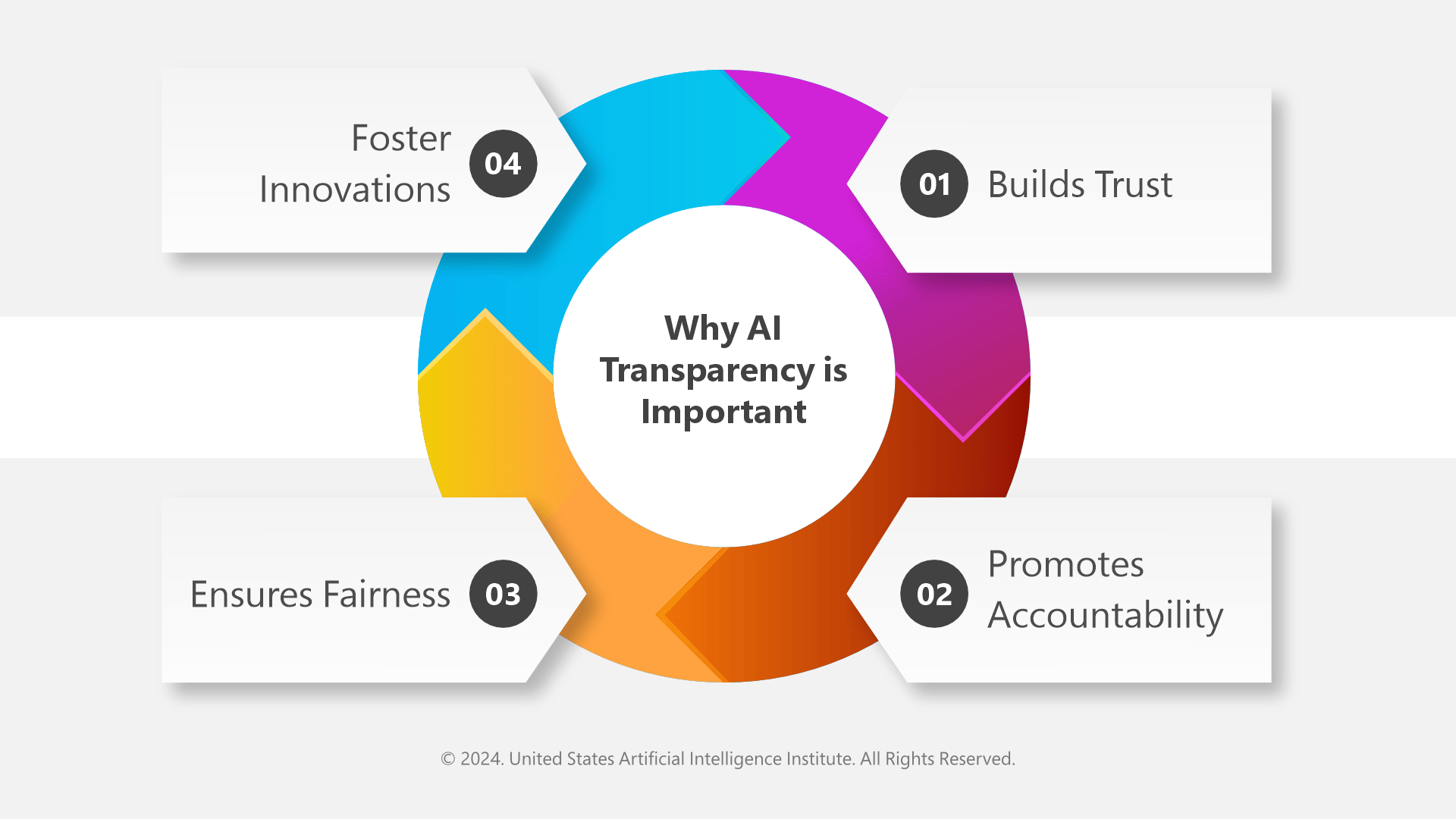
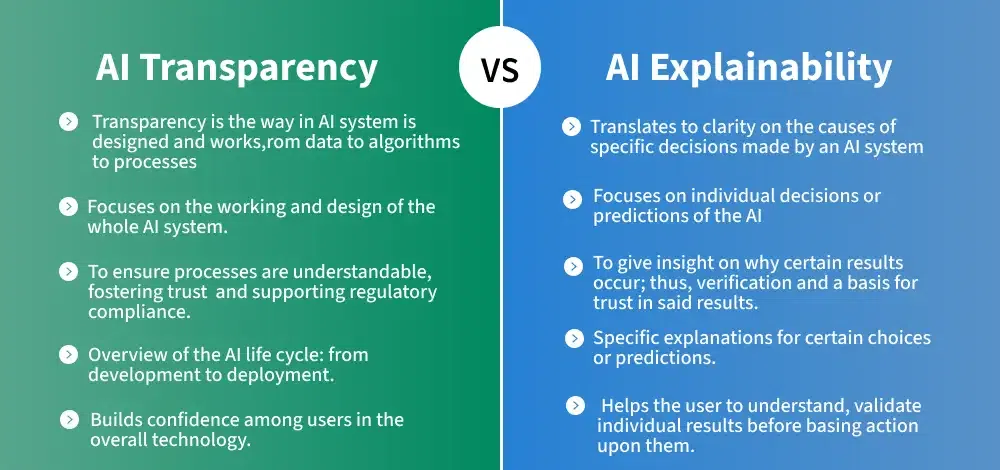
AI transparency is the principle of making artificial intelligence systems' operations, decision-making processes, and data usage visible and understandable to stakeholders, including developers, regulators, and end-users. It encompasses the transparency of algorithms, training data, model behavior, and the overall system architecture. The goal is to foster trust, enable accountability, and mitigate risks associated with opaque AI systems, such as bias, discrimination, and unintended consequences.
Transparency in AI is closely linked to concepts like explainable AI (XAI), which focuses on developing techniques to interpret and explain AI model outputs. It also intersects with AI ethics, as transparent systems are more likely to align with ethical standards and regulatory requirements. Organizations such as the European Commission and the National Institute of Standards and Technology (NIST) have emphasized transparency as a cornerstone of responsible AI development.
#History / Background
The concept of transparency in AI emerged alongside the rapid advancement of machine learning and deep learning technologies in the early 21st century. Early AI systems, such as rule-based expert systems, were inherently more transparent due to their explicit logic. However, the shift toward black-box models—particularly deep neural networks—highlighted the need for greater openness in AI decision-making.
Key milestones in the evolution of AI transparency include:
- 2016: The White House published a report titled Preparing for the Future of Artificial Intelligence, which called for increased transparency in AI systems to ensure public trust.
- 2018: The European Union introduced the General Data Protection Regulation (GDPR), which includes provisions for automated decision-making transparency, such as the "right to explanation."
- 2019: The AI Now Institute released a report emphasizing the importance of transparency in mitigating algorithmic bias and discrimination.
- 2020: The Partnership on AI launched the Transparency in AI initiative, promoting best practices for open AI development.
#How It Works
AI transparency is achieved through a combination of technical, organizational, and regulatory measures designed to make AI systems more understandable and accountable. The following components are essential to achieving transparency:
#Algorithmic Transparency
Algorithmic transparency involves making the inner workings of AI models accessible to stakeholders. This can be achieved through:
- Model Documentation: Providing detailed descriptions of the model's architecture, training data, and decision-making logic.
- Explainable AI Techniques: Using methods such as LIME (Local Interpretable Model-agnostic Explanations) or SHAP (SHapley Additive exPlanations) to interpret model outputs.
- Open-Source Models: Releasing model code and weights publicly to allow for independent scrutiny and validation.
#Data Transparency
Data transparency ensures that the datasets used to train AI models are well-documented and free from biases or errors. Key aspects include:
- Dataset Documentation: Providing metadata about the dataset, including its source, size, and potential biases.
- Data Provenance: Tracking the origin and transformation of data to ensure its integrity and relevance.
- Bias Mitigation: Implementing techniques to identify and reduce biases in training data, such as reweighting or synthetic data generation.
#Process Transparency
Process transparency involves making the development, deployment, and monitoring of AI systems visible to stakeholders. This includes:
- Development Lifecycle Documentation: Recording the steps taken during model development, including data collection, preprocessing, training, and evaluation.
- Deployment Logs: Maintaining logs of AI system interactions, decisions, and performance metrics in production environments.
- Auditability: Implementing mechanisms for third-party audits to verify compliance with transparency standards.
#Regulatory and Organizational Transparency
Organizations and regulators play a crucial role in enforcing transparency through policies and frameworks. This includes:
- Ethical Guidelines: Adopting principles such as those outlined in the Asilomar AI Principles or the OECD AI Principles.
- Compliance Frameworks: Adhering to standards like ISO/IEC 23894 (AI risk management) or IEEE 7000 (ethical design).
- Stakeholder Engagement: Involving affected communities, policymakers, and civil society in the design and evaluation of AI systems.
#Important Facts
- Black-Box Models: Deep learning models, such as convolutional neural networks (CNNs) and transformers, are often considered "black boxes" due to their opaque decision-making processes.
- Right to Explanation: Under the GDPR, individuals have the right to request explanations for automated decisions that significantly affect them, such as loan denials or hiring decisions.
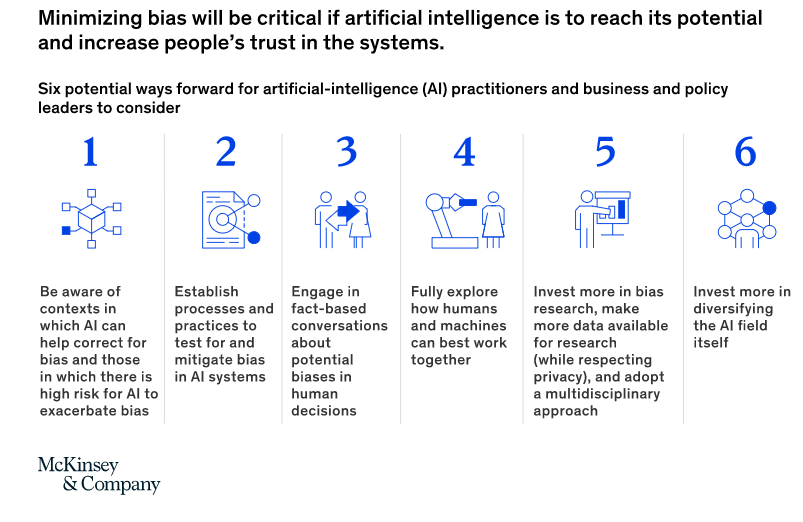
- Bias in AI: Transparency is critical for identifying and mitigating biases in AI systems, which can perpetuate discrimination in areas like hiring, lending, and law enforcement.
- Open-Source AI: Projects like Hugging Face and TensorFlow promote transparency by making AI models and tools publicly available.
- Regulatory Scrutiny: Governments worldwide are increasingly scrutinizing AI systems for transparency, with proposals such as the EU AI Act mandating risk-based transparency requirements.
#Timeline
Key Events in AI Transparency Year Event Description 1956 Dartmouth Conference The term "artificial intelligence" is coined, laying the foundation for AI research and the eventual need for transparency. 1998 First EU Data Protection Directive Introduced principles for automated decision-making, foreshadowing later transparency requirements. 2016 White House AI Report Called for increased transparency in AI systems to ensure public trust and accountability. 2018 GDPR Enforcement The EU's General Data Protection Regulation includes provisions for transparency in automated decision-making. 2019 AI Now Report Highlighted the risks of opaque AI systems and the need for transparency to mitigate bias and discrimination. 2020 Partnership on AI Transparency Initiative Launched to promote best practices for open and transparent AI development. 2021 EU AI Act Proposal Proposed legislation to regulate AI systems, including transparency requirements for high-risk applications. 2023 NIST AI Risk Management Framework Provided guidelines for managing AI risks, including transparency and explainability.
#Related Terms
#FAQ
What does AI And Transparency: Open Processes cover?
Explores how artificial intelligence shapes transparency and open processes, covering practical use cases, benefits, limitations, and risks.
Why is AI And Transparency: Open Processes important?
It helps readers understand key concepts, compare practical use cases, and evaluate how AI Ethics decisions affect outcomes, risks, and implementation choices.
What should readers verify before applying this topic?
Readers should compare the benefits, limitations, data requirements, and related themes such as Transparency, Open, Processe before using the ideas in real projects.
#References
- AI And Transparency: Open Processes terminology and background research
- AI And Transparency: Open Processes use cases, implementation examples, and limitations
- AI Ethics best practices, standards, and risk guidance
- Transparency case studies, benchmarks, and current industry analysis

Comments
No comments yet. Start the discussion with a useful note.