

#Short Answer
Explores how artificial intelligence shapes supply chain and logistics optimization, covering practical use cases, benefits, limitations, and risks.
#Infobox
Artificial Intelligence in Supply Chain Logistics Optimization Field Artificial intelligence Subfield Supply chain management Focus Logistics optimization Key Techniques Machine learning, predictive analytics, reinforcement learning, computer vision Applications Route optimization, demand forecasting, warehouse automation, real-time tracking Industries Transportation, manufacturing, retail, e-commerce, healthcare Notable Tools Blue Yonder, FourKites, ClearMetal, Project44
#Overview
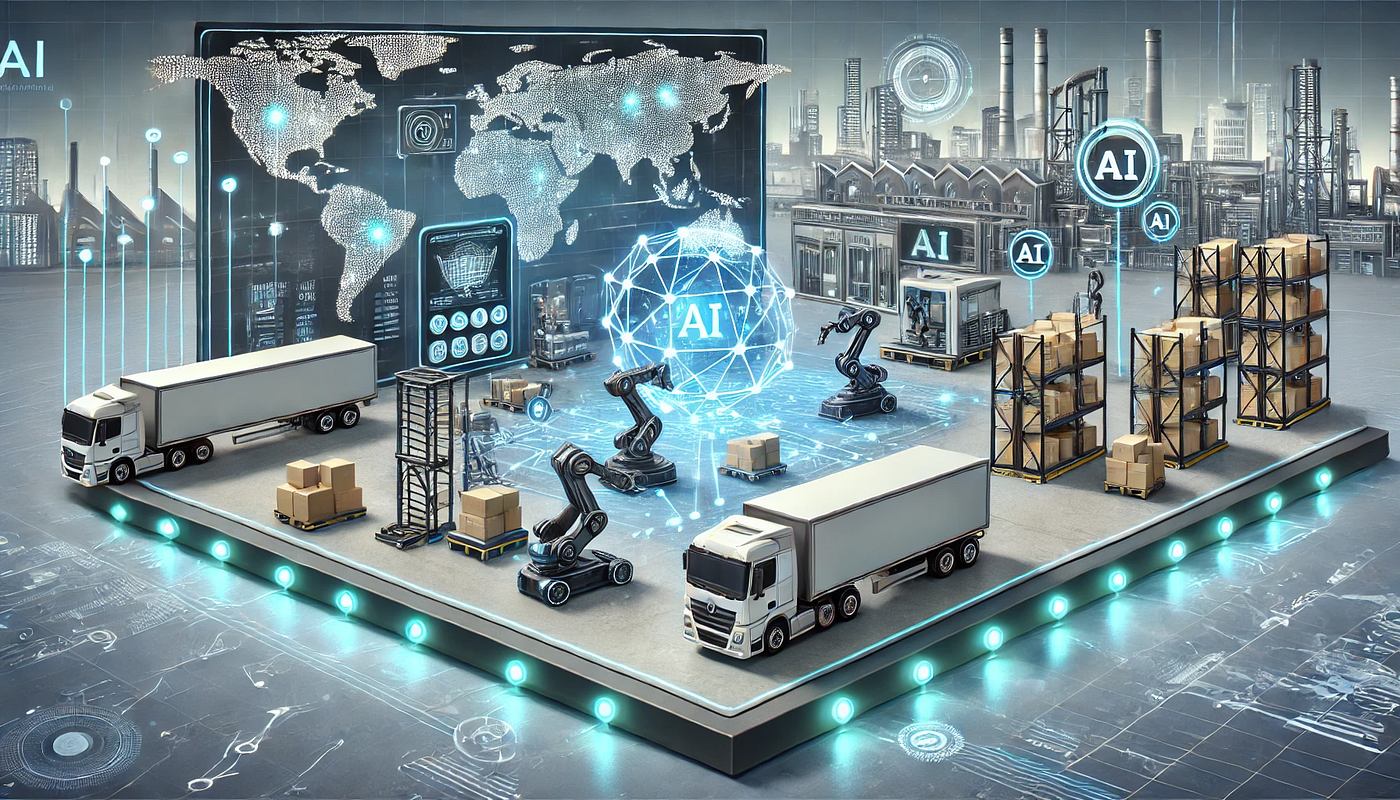
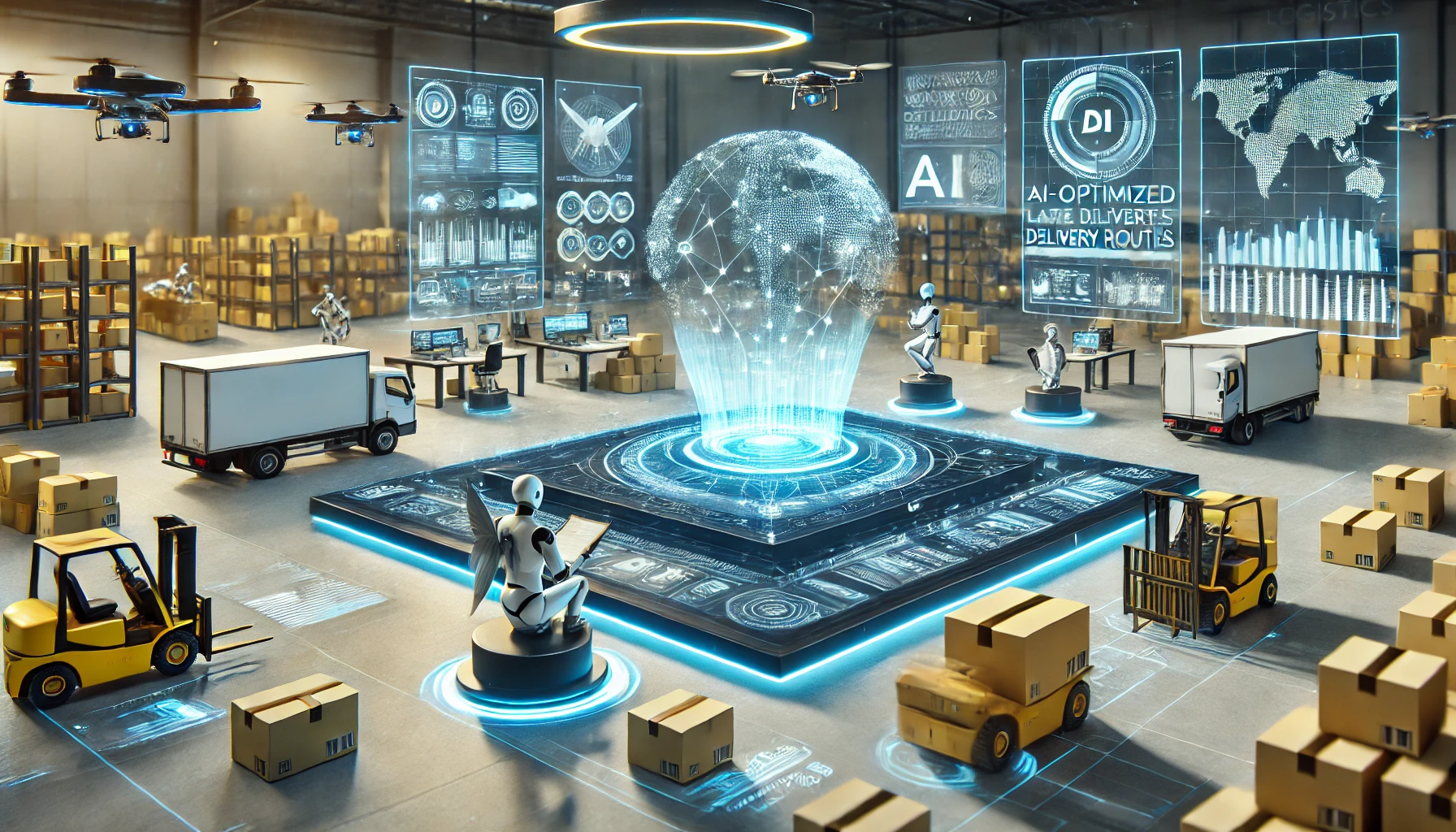
AI-powered logistics optimization is a transformative approach within supply chain management that leverages advanced computational techniques to streamline operations. By integrating AI with logistics networks, organizations can achieve higher levels of efficiency, accuracy, and responsiveness. This field encompasses a range of applications including route optimization, inventory management, demand forecasting, and autonomous warehouse systems. The integration of AI not only reduces operational costs but also enhances sustainability by minimizing fuel consumption and carbon emissions through smarter routing and load balancing.
Key drivers behind the adoption of AI in logistics include the exponential growth of e-commerce, increasing consumer expectations for fast and reliable delivery, and the complexity of global supply chains. AI systems process real-time data from IoT sensors, GPS devices, and enterprise resource planning (ERP) systems to make predictive and prescriptive decisions, enabling logistics providers to adapt dynamically to disruptions such as traffic, weather, or geopolitical events.
#Core Components
- Machine Learning Models: Used for pattern recognition and predictive analytics to forecast demand and optimize inventory levels.
- Predictive Analytics: Analyzes historical and real-time data to anticipate supply chain disruptions and optimize delivery schedules.
- Computer Vision: Enables automated inspection of goods, package sorting, and damage detection in warehouses and during transit.
- Reinforcement Learning: Powers dynamic routing algorithms that learn and adapt based on traffic, fuel costs, and delivery constraints.
- Natural Language Processing (NLP): Facilitates automated customer communication, contract analysis, and sentiment analysis in logistics operations.
#History / Background
The integration of AI into logistics began in the late 20th century with the advent of digital tracking systems and early optimization algorithms. In the 1980s and 1990s, logistics software such as transportation management systems (TMS) and warehouse management systems (WMS) laid the foundation for data-driven decision-making. However, these systems were limited by computational power and data availability.
The real transformation occurred in the 2010s with the rise of big data, cloud computing, and advancements in machine learning. The proliferation of IoT devices and GPS tracking provided real-time data streams, enabling AI models to make more accurate predictions and decisions. The launch of AI-powered platforms like Blue Yonder (formerly JDA Software) and FourKites in the early 2010s marked a turning point, offering end-to-end visibility and predictive capabilities across supply chains.
In 2016, Amazon introduced its AI-driven warehouse robotics system, further accelerating automation in logistics. The COVID-19 pandemic (2020–2022) highlighted the critical role of AI in managing supply chain disruptions, leading to accelerated adoption of AI tools for demand forecasting and dynamic rerouting. Today, AI in logistics is considered a cornerstone of Industry 4.0, enabling smart, autonomous, and resilient supply chains.
#How It Works
AI-driven logistics optimization operates through a multi-layered process that integrates data collection, processing, modeling, and execution. The workflow typically follows these stages:
#Data Collection
AI systems rely on diverse data sources including:
- IoT sensors on vehicles, containers, and warehouse equipment
- GPS and telematics data from trucks and ships
- ERP and CRM systems for order and inventory data
- Weather APIs and traffic databases
- Customer feedback and social media sentiment
#Data Processing and Integration
Collected data is cleaned, normalized, and integrated into a unified data lake or warehouse. Advanced data pipelines use ETL (Extract, Transform, Load) processes to prepare data for modeling. Cloud platforms such as AWS, Google Cloud, and Microsoft Azure provide scalable infrastructure for handling large-scale logistics datasets.
#Model Training and Inference
AI models are trained using historical data to recognize patterns such as seasonal demand fluctuations, optimal delivery routes, or supplier reliability. Common algorithms include:
- Supervised Learning: Used for demand forecasting and anomaly detection (e.g., regression models, random forests).
- Unsupervised Learning: Identifies clusters in delivery times or inventory turnover (e.g., k-means clustering).
- Reinforcement Learning: Optimizes real-time routing by learning from feedback loops (e.g., Q-learning, deep reinforcement learning).
- Deep Learning: Powers image recognition for package sorting and damage assessment (e.g., convolutional neural networks).
#Decision Making and Execution
AI systems generate actionable insights such as:
- Optimal delivery routes based on traffic, fuel costs, and delivery windows
- Dynamic rerouting in response to delays or weather events
- Automated warehouse picking and sorting using robotic arms and vision systems
- Predictive maintenance alerts for vehicles and equipment
- Automated reorder points and safety stock levels
These decisions are often presented via dashboards or integrated directly into logistics execution systems (LES) and TMS platforms.
#Important Facts
- Cost Reduction: AI can reduce logistics costs by up to 30% through optimized routing, reduced idle time, and improved fuel efficiency.
- Speed and Accuracy: AI-driven demand forecasting can improve accuracy by over 50% compared to traditional statistical methods.
- Sustainability Impact: Smart routing and load optimization can reduce CO₂ emissions by 10–20% in transportation networks.
- Real-Time Visibility: AI-powered tracking platforms provide end-to-end visibility, reducing shipment delays by up to 40%.
- Automation Level: Over 60% of large logistics providers have adopted some form of AI in warehouse operations, with fully automated warehouses expected to grow by 35% annually through 2030.
- Regulatory Compliance: AI helps ensure adherence to international trade regulations, customs requirements, and sustainability standards through automated documentation and audit trails.
#Timeline
Year Event 1980s Introduction of early Transportation Management Systems (TMS) and Warehouse Management Systems (WMS). 1997 IBM’s Deep Blue defeats world chess champion, demonstrating the potential of AI in complex decision-making. 2006 Amazon acquires Kiva Systems, pioneering robotics in warehouse automation. 2010 Launch of FourKites, a real-time supply chain visibility platform using predictive analytics. 2013 Blue Yonder introduces AI-driven demand forecasting and inventory optimization. 2016 Amazon Go stores debut, showcasing fully automated retail logistics. 2018 Project44 launches a real-time logistics visibility platform powered by AI and IoT. 2020 COVID-19 pandemic accelerates AI adoption in supply chain resilience and dynamic rerouting. 2022 McKinsey reports that AI can reduce supply chain forecasting errors by up to 50%. 2024 Gartner predicts that by 2026, 75% of large enterprises will use AI for supply chain planning and execution.
#Related Terms
#FAQ
What does AI And Supply Chain: Logistics Optimization cover?
Explores how artificial intelligence shapes supply chain and logistics optimization, covering practical use cases, benefits, limitations, and risks.
Why is AI And Supply Chain: Logistics Optimization important?
It helps readers understand key concepts, compare practical use cases, and evaluate how Business & Marketing decisions affect outcomes, risks, and implementation choices.
What should readers verify before applying this topic?
Readers should compare the benefits, limitations, data requirements, and related themes such as Supply, Chain, Logistic before using the ideas in real projects.
#References
- AI And Supply Chain: Logistics Optimization terminology and background research
- AI And Supply Chain: Logistics Optimization use cases, implementation examples, and limitations
- Business & Marketing best practices, standards, and risk guidance
- Supply case studies, benchmarks, and current industry analysis

Comments
No comments yet. Start the discussion with a useful note.