


#Short Answer
Explores how artificial intelligence shapes justice and ethical practices, covering practical use cases, benefits, limitations, and risks.
#Infobox
Exploration of the intersection between artificial intelligence (AI) and justice systems, including ethical frameworks, applications, and societal implications.
Artificial Intelligence and Justice Field Artificial intelligence, Justice, Ethics Key Concepts Algorithmic fairness, bias mitigation, legal automation, predictive policing, judicial decision support Major Applications Legal research, risk assessment, sentencing guidelines, contract analysis, dispute resolution Ethical Concerns Bias, transparency, accountability, privacy, due process Notable Figures Cathy O'Neil, Virginia Eubanks, Safiya Noble, Ruha Benjamin Related Fields Algorithm ethics, computational law, digital rights, human rights law
#Overview
Artificial intelligence (AI) and justice represent a rapidly evolving interdisciplinary domain where computational systems intersect with legal frameworks, ethical principles, and societal norms. AI technologies—including machine learning, natural language processing, and predictive analytics—are increasingly deployed in judicial systems, law enforcement, and legal services to enhance efficiency, reduce costs, and improve decision-making. However, the integration of AI into justice systems raises significant ethical, legal, and social challenges, particularly concerning fairness, transparency, and accountability.
The concept of "AI and justice" encompasses both the use of AI to uphold justice (e.g., through automated legal research or bias detection in sentencing) and the justice-related implications of AI itself (e.g., algorithmic discrimination or privacy violations). As AI systems become more autonomous and influential in legal processes, debates intensify over whether these technologies can truly deliver equitable outcomes or whether they risk exacerbating existing inequalities.
#History / Background
#Early Developments
The relationship between technology and justice dates back centuries, from the invention of the printing press (which democratized legal knowledge) to the use of statistical methods in criminology during the 19th century. However, the modern era of AI in justice began in the late 20th century with the advent of expert systems and early machine learning algorithms designed to assist legal professionals.
In the 1980s and 1990s, legal research tools like LexisNexis and Westlaw automated document retrieval, laying the groundwork for AI-driven legal analysis. The first AI programs specifically designed for legal applications, such as Legal Information Institute (LII) at Cornell Law School, emerged to provide accessible legal information online.
#Modern Integration
The 2010s marked a turning point with the proliferation of big data and advanced AI techniques. Predictive policing tools, such as PredPol, used historical crime data to forecast where crimes might occur, aiming to optimize law enforcement resources. Similarly, risk assessment algorithms, like the COMPAS system, were employed to evaluate defendants' likelihood of reoffending, influencing bail and sentencing decisions.
In the legal sector, AI-powered platforms such as ROSS Intelligence and DoNotPay automated legal research and even contested parking tickets, respectively. The rise of natural language processing (NLP) enabled AI to parse legal documents, draft contracts, and assist in litigation analysis at unprecedented scales.
#How It Works
#AI Technologies in Justice
AI systems in justice rely on several core technologies:
- Machine Learning (ML): Algorithms trained on historical data to identify patterns, such as predicting recidivism or detecting fraudulent claims.
- Natural Language Processing (NLP): Enables AI to analyze legal texts, contracts, and court rulings for relevant information or inconsistencies.
- Computer Vision: Used in surveillance, evidence analysis (e.g., facial recognition in forensic investigations), and document digitization.
- Predictive Analytics: Leverages statistical models to forecast outcomes, such as case win probabilities or judicial rulings based on past decisions.
- Expert Systems: Rule-based AI that mimics human expertise in specific legal domains, such as tax law or immigration.
#Applications in the Justice System
AI is applied across multiple facets of the justice system:
#Legal Research and Assistance: AI tools like Casetext and Lex Machina analyze case law, statutes, and legal precedents to assist lawyers and judges in drafting arguments or identifying relevant rulings. Predictive Policing: Algorithms such as HunchLab and PredPol use geospatial data and historical crime patterns to allocate police resources, though critics argue these systems can reinforce biases present in training data. Risk Assessment: Tools like the Public Safety Assessment (PSA) evaluate defendants' risk of flight or reoffending, influencing bail and sentencing decisions. However, studies (e.g., by ProPublica in 2016) have shown racial disparities in such assessments. Judicial Decision Support: AI systems analyze past rulings to predict how judges might decide future cases, helping lawyers strategize. For example, Judicata provides insights into judicial tendencies. Automated Contract Review: Platforms like Kira Systems and Luminance use NLP to review contracts, identifying clauses, inconsistencies, or potential risks in large volumes of documents. Dispute Resolution: AI-driven platforms such as Modria (now part of Tyler Technologies) facilitate online dispute resolution (ODR) for small claims, e-commerce disputes, and even family law matters. Important Facts
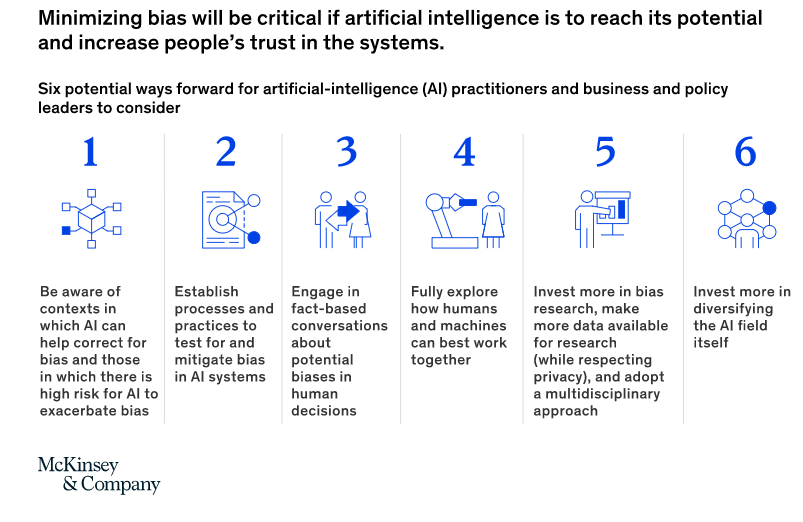
- Bias in AI Systems: Studies have demonstrated that AI tools used in justice systems, such as risk assessment algorithms, can exhibit racial, gender, or socioeconomic biases due to flawed training data. For example, the COMPAS system was found to be biased against Black defendants.
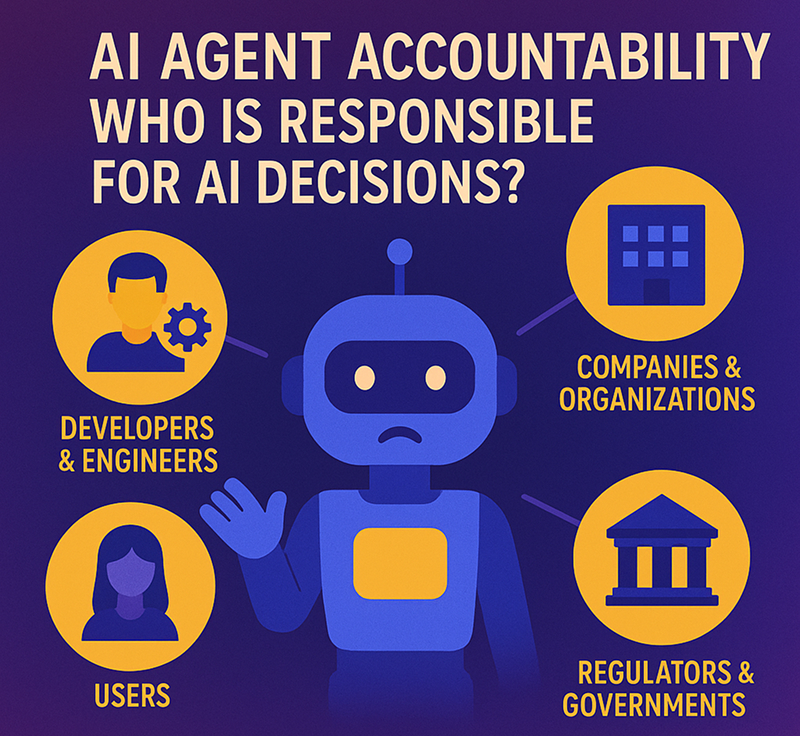
- Transparency Challenges: Many AI systems operate as "black boxes," making it difficult for legal professionals or defendants to understand how decisions are reached. This opacity conflicts with legal principles of due process and transparency.
- Regulatory Gaps: Unlike traditional legal tools, AI systems in justice often lack standardized regulations. Jurisdictions vary widely in their oversight of AI deployment in courts and law enforcement.
- Efficiency Gains: AI can significantly reduce the time and cost of legal processes. For instance, automated contract review can process thousands of documents in hours, compared to weeks or months for manual review.
- Public Trust Issues: Surveys indicate that public trust in AI-driven justice systems is low, particularly among marginalized communities. Concerns over privacy, surveillance, and potential misuse of AI are prevalent.
- Human Oversight Requirements: Most experts agree that AI should augment, rather than replace, human judgment in justice systems. The European Union's GDPR includes provisions for "human-in-the-loop" decision-making in automated systems.
#Timeline
Year Event 1950s–1960s Early expert systems and legal research tools emerge, such as LII at Cornell (1992). 1980s LexisNexis and Westlaw introduce digital legal research platforms. 1990s First AI applications in legal practice, including case management systems and document automation. 2000s Predictive policing tools like PredPol (2008) are developed. 2011 COMPAS risk assessment tool is widely adopted in U.S. courts. 2016 ProPublica publishes an investigation revealing racial bias in COMPAS. 2017 European Union introduces the GDPR, setting guidelines for automated decision-making. 2018 California becomes the first U.S. state to ban bias in criminal sentencing algorithms. 2020 COVID-19 pandemic accelerates adoption of AI in virtual court proceedings and remote legal services. 2022 New York City passes Local Law 144, requiring bias audits for automated employment decision tools, setting a precedent for AI regulation in justice-related contexts. 2023 U.S. federal agencies, including the DOJ, issue guidelines for the responsible use of AI in law enforcement and judicial processes.
#Related Terms
#FAQ
What does AI And Justice: Ethical Practices cover?
Explores how artificial intelligence shapes justice and ethical practices, covering practical use cases, benefits, limitations, and risks.
Why is AI And Justice: Ethical Practices important?
It helps readers understand key concepts, compare practical use cases, and evaluate how AI Ethics decisions affect outcomes, risks, and implementation choices.
What should readers verify before applying this topic?
Readers should compare the benefits, limitations, data requirements, and related themes such as Justice, Ethical, Practice before using the ideas in real projects.
#References
- AI And Justice: Ethical Practices terminology and background research
- AI And Justice: Ethical Practices use cases, implementation examples, and limitations
- AI Ethics best practices, standards, and risk guidance
- Justice case studies, benchmarks, and current industry analysis

Comments
No comments yet. Start the discussion with a useful note.