

#Short Answer
AI and edge computing enhance IoT systems by enabling real-time data processing, reduced latency, and improved decision-making at the source of data collection. This integration supports applications in smart cities, healthcare, industrial automation, and autonomous vehicles.
#Infobox
#Overview
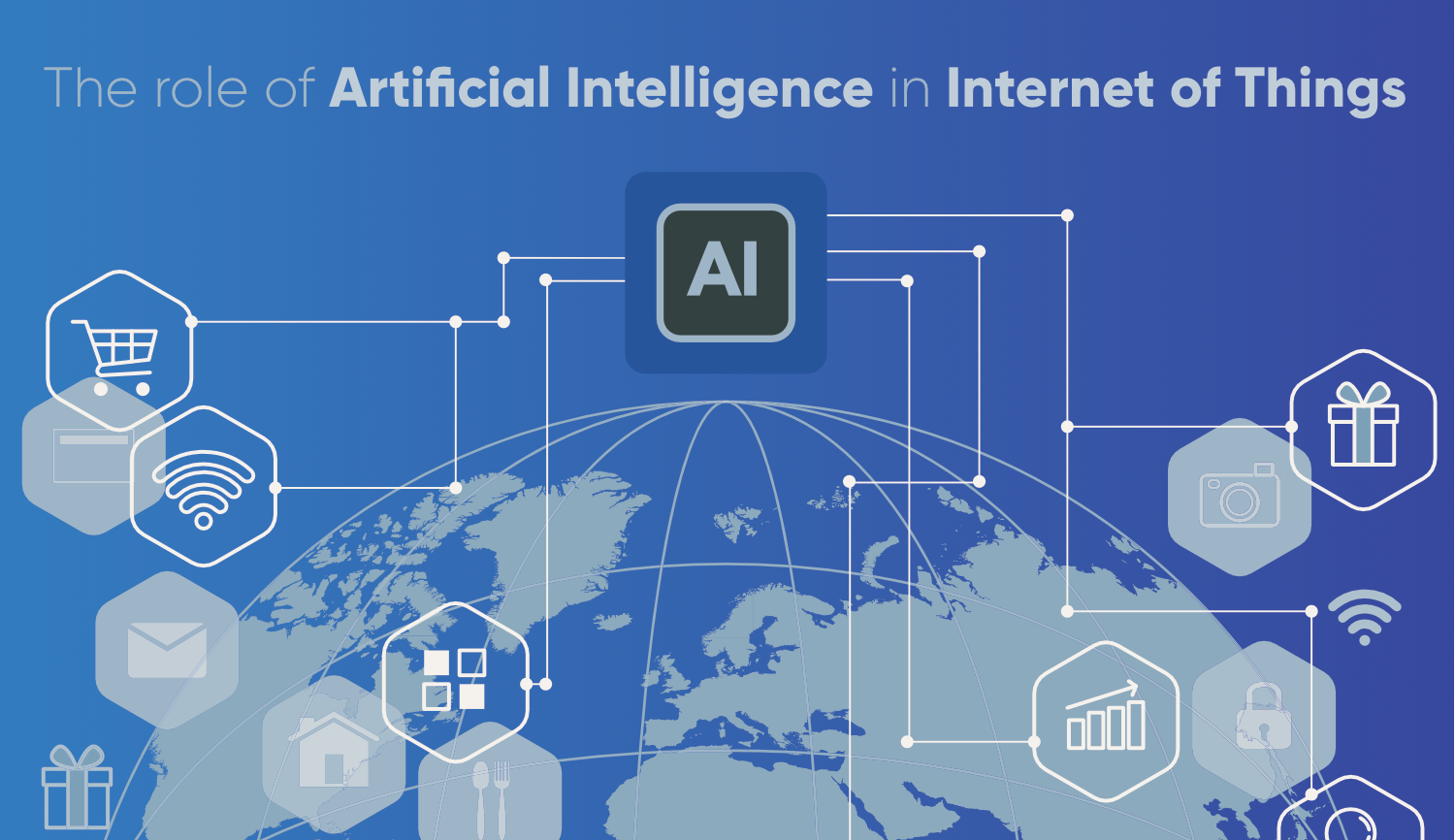
The convergence of artificial intelligence (AI) and edge computing is transforming the Internet of Things (IoT) landscape. Traditional IoT systems rely on cloud computing, where data is sent to centralized servers for processing. However, this approach introduces latency, bandwidth constraints, and privacy concerns. AI at the edge addresses these challenges by deploying machine learning models directly on IoT devices or local servers, enabling faster and more efficient data analysis.
Edge computing reduces the need to transmit raw data to the cloud by processing it locally. When combined with AI, edge devices can perform complex tasks such as object recognition, predictive maintenance, and anomaly detection without constant connectivity to remote servers. This synergy is critical for applications requiring real-time responses, such as autonomous vehicles, industrial IoT, and smart healthcare systems.
#History / Background
#Early Developments
The concept of edge computing emerged in the early 2000s as researchers sought to mitigate the limitations of cloud-centric architectures. The term "edge computing" was popularized by Cisco in 2009, which proposed a distributed computing paradigm to bring computation closer to data sources. Around the same time, advancements in machine learning began enabling AI models to run on resource-constrained devices.
#Rise of AI in IoT
By the mid-2010s, the proliferation of IoT devices and the increasing complexity of AI algorithms created a demand for decentralized processing. Companies like NVIDIA and Intel developed specialized hardware, such as GPUs and FPGAs, to support AI workloads at the edge. The launch of frameworks like TensorFlow Lite and PyTorch Mobile further accelerated the adoption of AI-driven edge computing.
#Modern Integration
Today, AI and edge computing are integral to modern IoT ecosystems. The integration is driven by the need for low-latency processing, energy efficiency, and enhanced security. Governments and industries worldwide are investing in smart infrastructure, where edge AI plays a pivotal role in optimizing operations and improving user experiences.
#How It Works
#Architecture
The architecture of AI-driven edge computing consists of three primary layers:
- Device Layer: IoT sensors and actuators collect data from the environment. These devices may include cameras, temperature sensors, or motion detectors.
- Edge Layer: Local computing nodes, such as edge servers or gateways, process data using lightweight AI models. This layer filters and analyzes data before sending only relevant insights to the cloud.
- Cloud Layer: The cloud serves as a repository for long-term data storage and performs complex analytics that require extensive computational resources.
#AI Model Deployment
AI models deployed at the edge are typically optimized for efficiency. Techniques such as model quantization, pruning, and knowledge distillation reduce the computational and memory footprint of models. These models are trained on cloud servers and then transferred to edge devices using over-the-air (OTA) updates.
#Data Processing Flow
- Data Collection: IoT devices gather raw data from their surroundings.
- Preprocessing: Edge devices clean and normalize data to remove noise and irrelevant information.
- Inference: AI models analyze the processed data to extract meaningful patterns or make predictions.
- Action: Based on the AI's output, edge devices trigger actions, such as alerting a user or adjusting a system parameter.
- Cloud Sync (Optional): Only essential data or aggregated results are sent to the cloud for further analysis or storage.
#Important Facts
- Latency Reduction: Edge AI can reduce latency to as low as milliseconds, compared to seconds or minutes in cloud-based systems.
- Bandwidth Efficiency: By processing data locally, edge computing reduces the amount of data transmitted over networks, lowering bandwidth costs.
- Privacy and Security: Sensitive data remains on local devices, reducing exposure to cyber threats and compliance risks.
- Energy Savings: Local processing minimizes the need for constant data transmission, which conserves energy, particularly in battery-powered IoT devices.
- Scalability: Edge AI systems can scale horizontally by adding more edge nodes, making them suitable for large-scale deployments.
- Hardware Advancements: Innovations in neuromorphic chips and Tensor Processing Units (TPUs) have enabled efficient AI inference at the edge.
#Related Terms
#FAQ
What does AI And Edge Computing: The Future Of IoT cover?
Explores how artificial intelligence shapes edge computing and the future of IoT, covering practical use cases, benefits, limitations, and risks.
Why is AI And Edge Computing: The Future Of IoT important?
It helps readers understand key concepts, compare practical use cases, and evaluate how Technology decisions affect outcomes, risks, and implementation choices.
What should readers verify before applying this topic?
Readers should compare the benefits, limitations, data requirements, and related themes such as Edge, Computing, Future before using the ideas in real projects.
#References
- AI And Edge Computing: The Future Of IoT terminology and background research
- AI And Edge Computing: The Future Of IoT use cases, implementation examples, and limitations
- Technology best practices, standards, and risk guidance
- Edge case studies, benchmarks, and current industry analysis



Comments
No comments yet. Start the discussion with a useful note.