


#Short Answer
Explores how artificial intelligence shapes IoT and smart devices, covering practical use cases, benefits, limitations, and risks.
#Infobox
Artificial Intelligence and Internet of Things Integration Field Artificial intelligence, Internet of things Key Concepts Smart devices, Machine learning, Sensor networks, Edge computing, Automation Applications Home automation, Industrial IoT, Healthcare monitoring, Smart cities, Autonomous vehicles Notable Researchers Kevin Ashton, Andrew Ng, Rodney Brooks, Dieter Fox Major Companies Google, Amazon, Apple, Samsung, IBM, Microsoft, NVIDIA First Introduced 1999 (IoT term coined), 2010s (AI-IoT convergence)
#Overview
The integration of Artificial Intelligence (AI) and the Internet of Things (IoT) represents a transformative convergence of two rapidly evolving technological paradigms. IoT encompasses a network of physical objects—"things"—embedded with sensors, software, and connectivity that enables them to collect and exchange data. AI, on the other hand, involves the simulation of human intelligence in machines, enabling them to perform tasks such as reasoning, learning, perception, and decision-making.
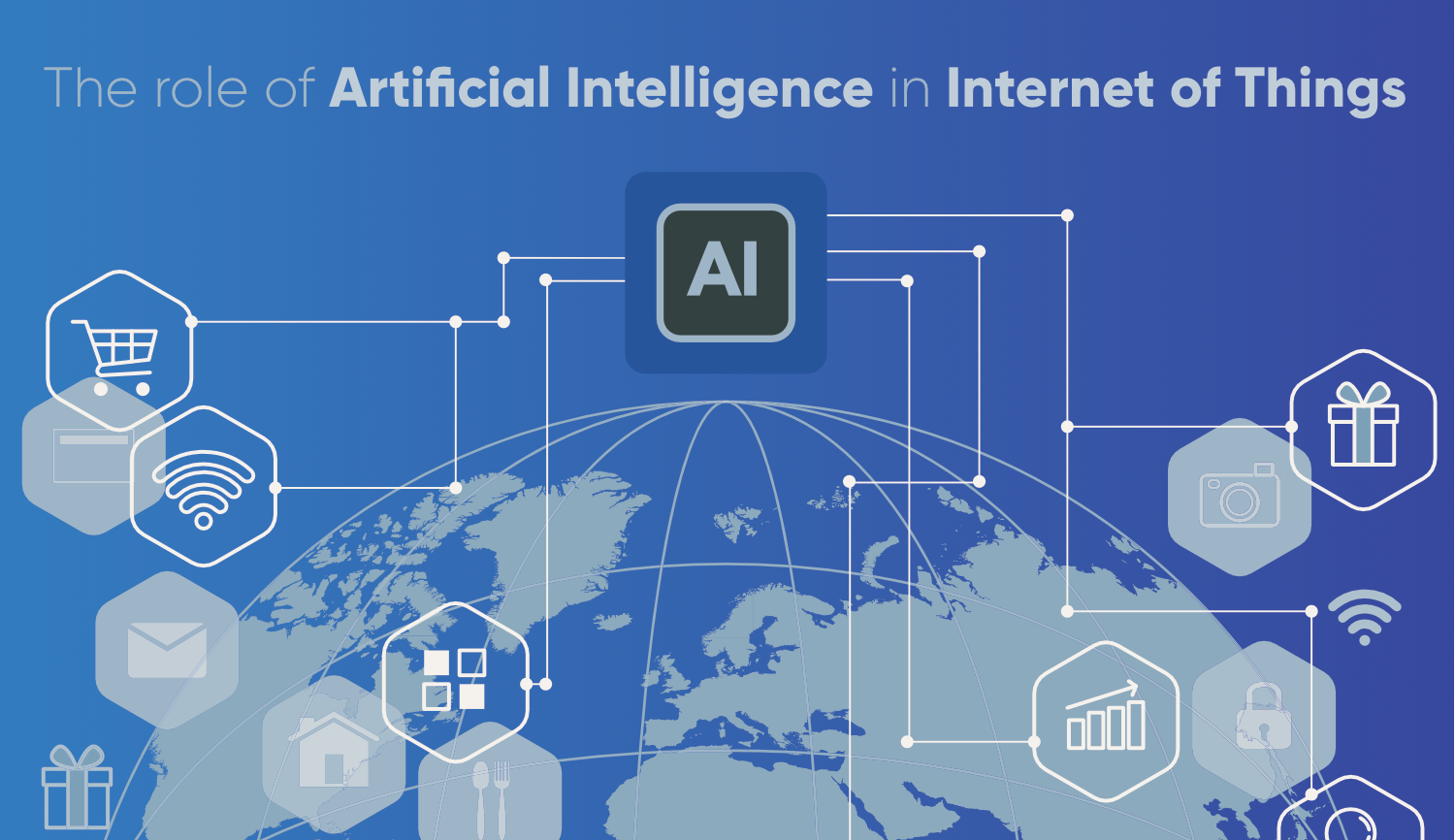
When combined, AI and IoT form AIoT—a powerful ecosystem where intelligent devices not only gather real-time data from their environments but also analyze it using AI algorithms to derive actionable insights. This integration enhances the autonomy, efficiency, and adaptability of systems, making them more responsive to user needs and environmental changes. AIoT is reshaping industries by enabling predictive maintenance, personalized user experiences, energy optimization, and enhanced security.
#Core Components
- Smart Devices: Sensors, actuators, and connected appliances (e.g., smart thermostats, wearables, industrial machines).
- Connectivity: Wi-Fi, Bluetooth, 5G, LoRaWAN, and other communication protocols.
- Data Processing: Edge computing (on-device) and cloud computing for real-time analysis.
- AI Algorithms: Machine learning (ML), deep learning, computer vision, and natural language processing (NLP).
- User Interface: Mobile apps, voice assistants, and dashboards for interaction and control.
#History / Background
#Origins of IoT
The concept of IoT traces back to the late 1990s. In 1999, British technology pioneer Kevin Ashton coined the term "Internet of Things" during a presentation at Procter & Gamble. Ashton envisioned a future where everyday objects could communicate with each other via the internet, reducing the need for manual data entry and improving supply chain efficiency.
Early IoT applications emerged in industrial settings through Machine-to-Machine (M2M) communication. The proliferation of RFID (Radio-Frequency Identification) and wireless sensor networks in the 2000s laid the groundwork for connected devices. By the mid-2010s, consumer IoT gained momentum with the rise of smart home devices like Amazon Echo and Google Home.
#Rise of AI
Artificial Intelligence has evolved through several phases. The term was coined in 1956 at the Dartmouth Conference, marking the birth of AI as a field. Early AI systems were rule-based and lacked adaptability. The 1980s saw the rise of expert systems, while the 2000s brought breakthroughs in machine learning, fueled by increased computational power and big data.
Deep learning, a subset of machine learning using neural networks, revolutionized AI by enabling systems to learn from vast datasets. The availability of large-scale data from IoT devices provided the fuel for training advanced AI models, accelerating the convergence of AI and IoT.
#Convergence: AIoT
The term AIoT gained prominence in the early 2010s as cloud computing, edge computing, and AI-as-a-service platforms matured. Companies like Google, Amazon, and NVIDIA began integrating AI into IoT platforms, enabling devices to perform complex tasks such as image recognition, predictive analytics, and autonomous decision-making.
Governments and corporations worldwide recognized the potential of AIoT in addressing global challenges such as climate change, urbanization, and healthcare accessibility. Today, AIoT is a cornerstone of the Fourth Industrial Revolution, driving innovation across sectors.
#How It Works
#Data Flow in AIoT
The operation of AIoT systems follows a structured data lifecycle:
- Sensing: IoT devices equipped with sensors (e.g., temperature, motion, humidity) collect environmental or operational data.
- Transmission: Data is transmitted via wired or wireless networks (e.g., Wi-Fi, cellular, LoRa) to edge servers or cloud platforms.
- Processing: AI algorithms analyze the data. Processing can occur at the device level (edge AI) or in remote data centers (cloud AI).
- Decision-Making: Based on the analysis, the system makes intelligent decisions—such as adjusting a thermostat, alerting maintenance teams, or optimizing energy use.
- Action: Actuators or user interfaces execute the decisions, creating a feedback loop.
#Key Technologies
- Edge AI: Enables real-time processing on-device, reducing latency and bandwidth usage. Used in autonomous drones, industrial robots, and smart cameras.
- Federated Learning: A privacy-preserving AI technique where models are trained across decentralized devices without sharing raw data.
- Digital Twins: Virtual replicas of physical systems (e.g., a factory or wind turbine) used for simulation, monitoring, and predictive maintenance.
- 5G and Beyond: High-speed, low-latency networks support massive IoT deployments and real-time AI inference.
- Quantum Computing: Emerging as a potential enabler for solving complex optimization problems in large-scale AIoT networks.
#Important Facts
- Market Growth: The global AIoT market is projected to reach $26.2 billion by 2025, growing at a CAGR of 23.4%.
- Energy Savings: AI-driven smart grids can reduce energy consumption by up to 30% through optimized distribution.
- Healthcare Impact: Remote patient monitoring using AIoT devices has reduced hospital readmissions by 45% in some studies.
- Security Risks: Over 75% of IoT devices are vulnerable to cyberattacks due to weak authentication and outdated firmware.
- Carbon Footprint: Smart city initiatives using AIoT can cut CO₂ emissions by 10–20% through intelligent traffic and waste management.
- Data Volume: A single smart factory can generate up to 2.2 petabytes of data per day.
#Timeline
Year Event 1999 Kevin Ashton coins the term "Internet of Things" at Procter & Gamble. 2005 RFID Journal launches, promoting IoT applications in retail and logistics. 2011 Google launches Google Brain, advancing deep learning research. 2014 Amazon releases the Echo smart speaker with Alexa voice assistant. 2016 NVIDIA introduces the Jetson TX1, enabling edge AI for IoT devices. 2018 Google releases TensorFlow Lite for on-device AI inference. 2020 AIoT market surpasses $10 billion; 5G networks begin global rollout. 2022 European Union introduces the AI Act, regulating AI systems including those in IoT. 2023 Generative AI models (e.g., LLMs) integrated into smart home devices for conversational interfaces.
#Applications
#Smart Homes
AIoT enables homes to become intelligent ecosystems. Smart thermostats like Nest learn user preferences and adjust temperatures automatically. Voice assistants (e.g., Alexa, Siri) use NLP to control lighting, security, and entertainment systems. AI-powered security cameras distinguish between humans, pets, and intruders, reducing false alarms.
#Industrial IoT (IIoT)
In manufacturing, AIoT supports predictive maintenance by analyzing sensor data from machinery to forecast failures before they occur. This reduces downtime and maintenance costs. Digital twins simulate production lines, optimizing workflows and quality control. AI-driven robotics in warehouses automate sorting and packaging.
#Healthcare
Wearable devices like smartwatches monitor heart rate, sleep patterns, and blood glucose levels. AI algorithms detect anomalies and alert users or healthcare providers. Remote monitoring systems allow elderly patients to live independently while ensuring timely medical intervention. AIoT also powers robotic surgery and drug discovery through data analysis.
#Smart Cities
Urban centers use AIoT to manage traffic, reduce congestion, and improve public safety. Smart traffic lights adjust signal timings based on real-time vehicle flow. AI-powered surveillance systems identify suspicious behavior. Waste management systems optimize collection routes using sensor data.
#Autonomous Vehicles
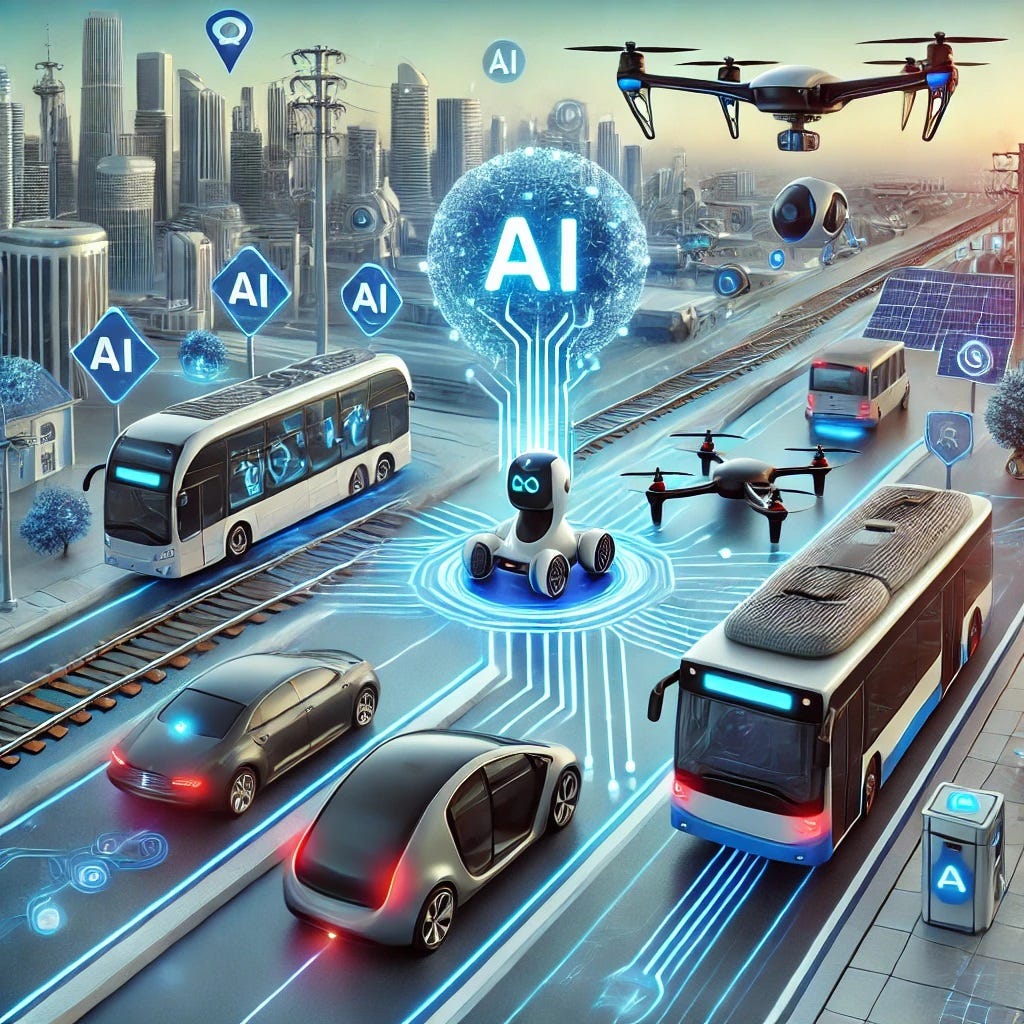
Self-driving cars rely on AIoT to process data from LiDAR, cameras, and radar. Machine learning models interpret sensor inputs to navigate roads, avoid obstacles, and obey traffic laws. Vehicles communicate with each other (V2V) and infrastructure (V2I) to enhance safety and efficiency.
#Challenges and Concerns
- Privacy: Continuous data collection raises concerns about surveillance and misuse of personal information.
- Security: IoT devices are frequent targets of botnets (e.g., Mirai) and ransomware attacks.
- Interoperability: Lack of standardized protocols hinders seamless integration across devices and platforms.
- Energy Consumption: High computational demands of AI models increase power usage, conflicting with sustainability goals.
- Ethical Issues: Bias in AI algorithms can lead to discriminatory outcomes in hiring, policing, or loan approvals.
#Related Terms
#FAQ
What does AI And IoT: Smart Devices cover?
Explores how artificial intelligence shapes IoT and smart devices, covering practical use cases, benefits, limitations, and risks.
Why is AI And IoT: Smart Devices important?
It helps readers understand key concepts, compare practical use cases, and evaluate how Technology decisions affect outcomes, risks, and implementation choices.
What should readers verify before applying this topic?
Readers should compare the benefits, limitations, data requirements, and related themes such as IoT, Smart, Device before using the ideas in real projects.
#References
- AI And IoT: Smart Devices terminology and background research
- AI And IoT: Smart Devices use cases, implementation examples, and limitations
- Technology best practices, standards, and risk guidance
- IoT case studies, benchmarks, and current industry analysis


Comments
No comments yet. Start the discussion with a useful note.