


#Short Answer
Artificial intelligence (AI) in defense and national security refers to the integration of AI technologies—such as machine learning, computer vision, natural language processing, and autonomous systems—into military and intelligence operations to enhance decision-making, improve situational awareness, automate routine tasks, and strengthen cybersecurity. These applications range from predictive analytics for threat detection to autonomous drones and AI-driven cyber defense systems, fundamentally transforming how nations protect their interests and respond to evolving threats.
#Infobox
#Overview
AI has become a cornerstone of modern defense strategies, enabling nations to process vast amounts of data in real time, anticipate adversarial actions, and optimize resource allocation. In the context of national security, AI systems are deployed across multiple domains, including intelligence analysis, battlefield operations, logistics, and cyber defense. The technology supports both defensive and offensive capabilities, allowing for faster responses to emerging threats while reducing risks to human personnel.
Key drivers behind the adoption of AI in defense include the exponential growth of data from sensors, satellites, and communication networks; the increasing complexity of cyber threats; and the need for rapid decision-making in dynamic environments. Governments and defense organizations worldwide are investing heavily in AI research and development to maintain technological superiority and address asymmetric threats.
#History / Background
#Early Developments
The integration of AI into defense systems traces back to the mid-20th century, with early experiments in automated decision-making and expert systems. In the 1950s and 1960s, researchers explored rule-based AI systems for military applications, including early forms of automated threat assessment. The Cold War era saw increased interest in AI for command-and-control systems, particularly in the United States and Soviet Union.
One of the first notable AI programs was the Shakey the Robot project (1966–1972) at Stanford Research Institute, which laid the groundwork for autonomous navigation—a critical capability for modern unmanned systems. During this period, AI was primarily used for symbolic reasoning and problem-solving, though computational limitations constrained its practical deployment.
#Modern Era and Military Adoption
The late 20th and early 21st centuries marked a turning point with the advent of machine learning and big data analytics. The U.S. Department of Defense (DoD) established the Defense Advanced Research Projects Agency (DARPA) in 1958, which has since funded groundbreaking AI research, including autonomous vehicles, speech recognition, and neural networks.
In 2017, the DoD launched Project Maven, a flagship initiative aimed at integrating AI into military intelligence, particularly for analyzing drone footage and identifying targets. This project highlighted the shift toward data-driven warfare and the increasing reliance on AI for image and video analysis. Similarly, NATO has emphasized AI as a key enabler for Alliance Future Surveillance and Control (AFSC) systems.
By the 2020s, AI had permeated nearly every aspect of defense, from autonomous underwater vehicles (AUVs) patrolling maritime borders to AI-powered cyber defense platforms that detect and neutralize threats in real time. Nations such as China, Russia, and Israel have also made significant strides, developing indigenous AI systems tailored to their strategic priorities.
#How It Works
#Core AI Technologies
AI in defense leverages several foundational technologies:
- Machine Learning (ML): Enables systems to learn from data and improve performance over time without explicit programming. Used in predictive analytics, threat detection, and adaptive control systems.
- Computer Vision: Powers autonomous drones, facial recognition, and surveillance systems by analyzing visual data from cameras and sensors.
- Natural Language Processing (NLP): Facilitates the analysis of text and speech for intelligence gathering, translation, and sentiment analysis in intercepted communications.
- Autonomous Systems: Includes unmanned aerial vehicles (UAVs), ground robots, and maritime drones that operate with minimal human intervention.
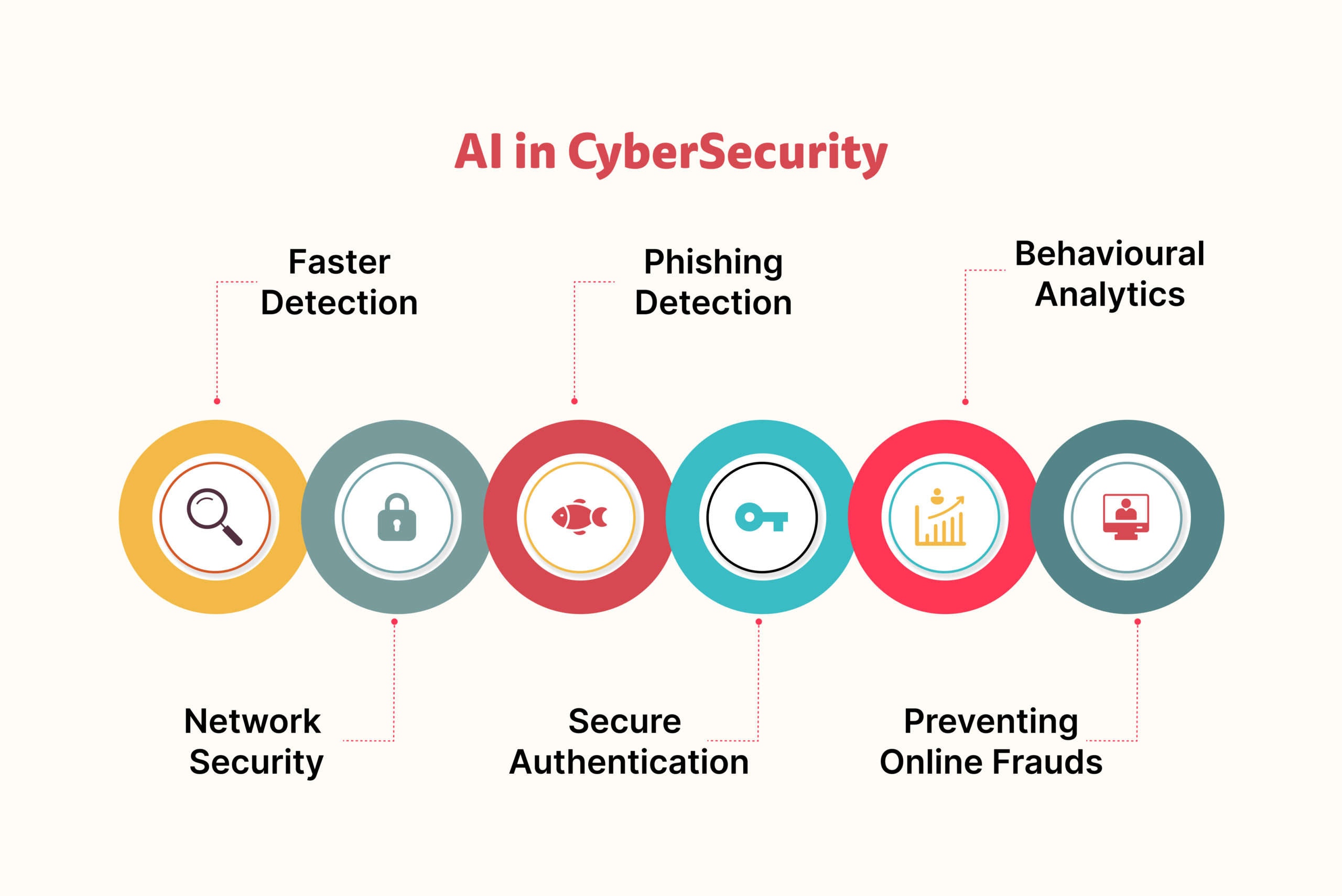
- Cyber AI: Uses anomaly detection and behavioral analysis to identify and mitigate cyber threats, including malware, phishing, and state-sponsored attacks.
#Operational Integration
AI systems are integrated into defense operations through several key processes:
- Data Collection and Fusion: Sensors, satellites, and intelligence sources feed data into AI platforms, which fuse and correlate information to provide a unified situational picture.
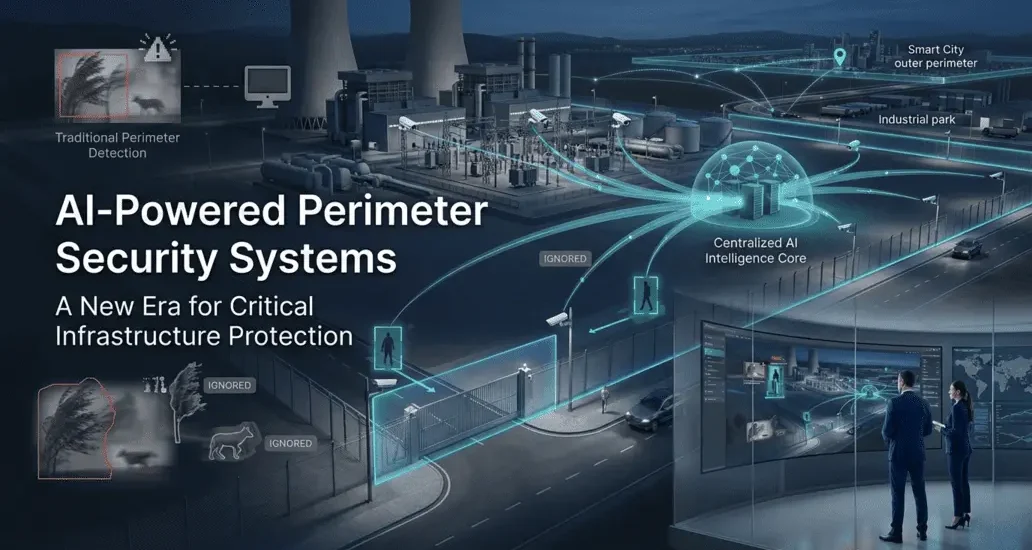
- Threat Detection and Analysis: AI algorithms analyze patterns in data to identify potential threats, such as unusual troop movements, cyber intrusions, or missile launches.
- Decision Support: AI provides commanders with actionable insights, such as optimal routes for logistics convoys or predicted outcomes of military engagements.
- Autonomous Execution: In some cases, AI systems can autonomously initiate responses, such as deploying countermeasures against cyber attacks or guiding drones to targets.
#Important Facts
- Global Investment: The global military AI market is projected to exceed $18 billion by 2027, with the U.S., China, and Russia leading in R&D spending.
- Autonomous Weapons: The development of lethal autonomous weapons systems (LAWS) raises ethical concerns, with debates ongoing about their compliance with international humanitarian law.
- Cybersecurity: AI is both a tool and a target in cyber warfare. While it enhances defense, adversaries also use AI to develop more sophisticated cyber attacks.
- Surveillance Capabilities: AI-powered facial recognition and biometric systems are used for border security and counterterrorism, but they also face scrutiny over privacy violations.
- Logistics Optimization: AI reduces fuel consumption and maintenance costs by predicting equipment failures and optimizing supply chains for military operations.
#Timeline
- Military systems that can select and engage targets without human intervention.
- AI
driven forecasting of threats based on historical and real-time data.
- AI systems designed to detect, analyze, and respond to cyber threats autonomously.
- Coordination of multiple autonomous agents (e.g., drones) to achieve complex tasks.
- AI systems designed to provide transparent reasoning for their decisions, critical for military accountability.
- Use of AI to disrupt enemy communications and radar systems.
#Related Terms
#FAQ
What does AI And Defense: National Security cover?
Explores how artificial intelligence shapes defense and national security, covering practical use cases, benefits, limitations, and risks.
Why is AI And Defense: National Security important?
It helps readers understand key concepts, compare practical use cases, and evaluate how Security & Privacy decisions affect outcomes, risks, and implementation choices.
What should readers verify before applying this topic?
Readers should compare the benefits, limitations, data requirements, and related themes such as Defense, National, Security before using the ideas in real projects.
#References
- AI And Defense: National Security terminology and background research
- AI And Defense: National Security use cases, implementation examples, and limitations
- Security & Privacy best practices, standards, and risk guidance
- Defense case studies, benchmarks, and current industry analysis


Comments
No comments yet. Start the discussion with a useful note.