

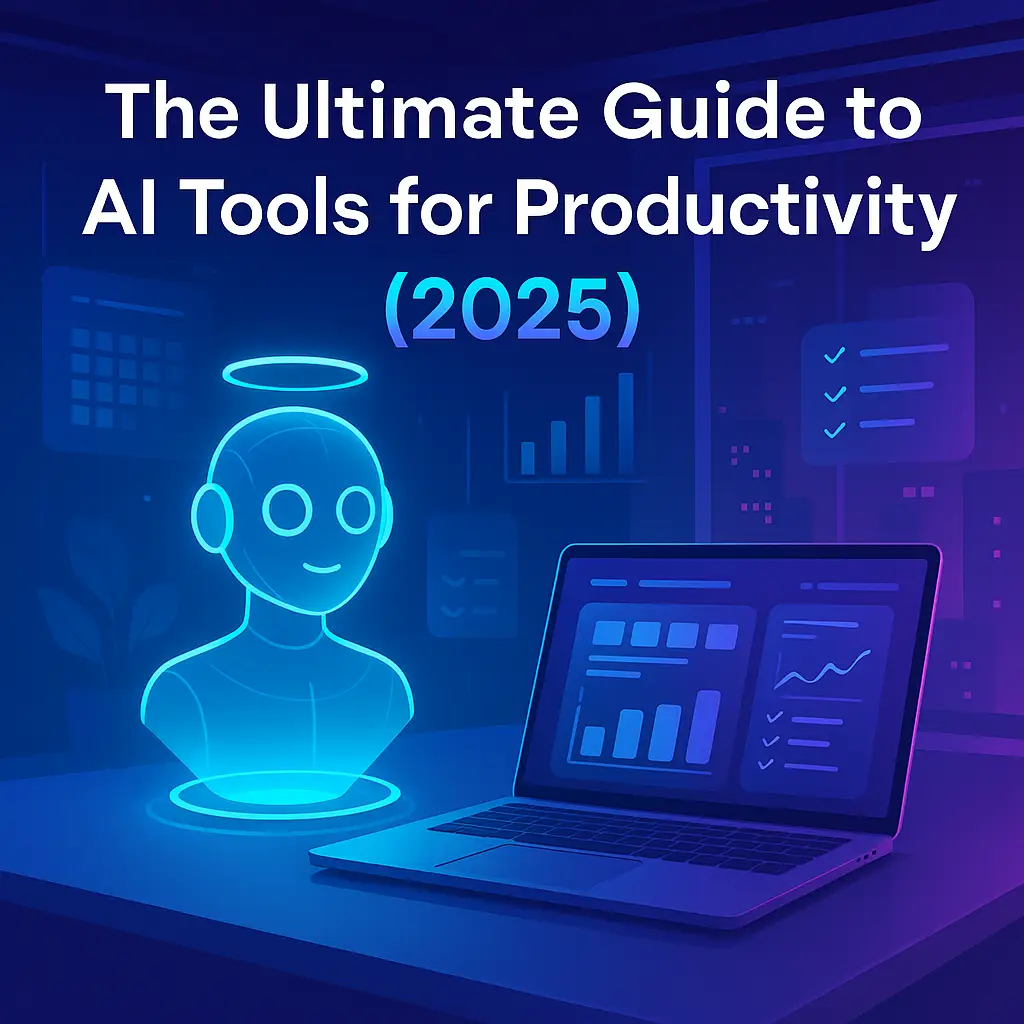
#Short Answer
Covers the ultimate guide to ai tools, including core concepts, practical examples, benefits, limitations, and risks in AI Tools.
#Infobox
#Overview
The Ultimate Guide to AI Tools for Productivity (2025) serves as a definitive resource for navigating the rapidly evolving landscape of artificial intelligence applications in productivity. As AI continues to reshape industries, the guide addresses the growing demand for practical, accessible solutions that can streamline operations, reduce manual labor, and unlock new levels of efficiency. The guide is structured to cater to both beginners and advanced users, offering step-by-step tutorials, tool comparisons, and real-world use cases. It emphasizes the importance of selecting the right AI tools based on specific needs, whether for personal productivity, team collaboration, or enterprise-level automation. By demystifying complex AI concepts, the guide empowers readers to make informed decisions about adopting these technologies.
#History / Background
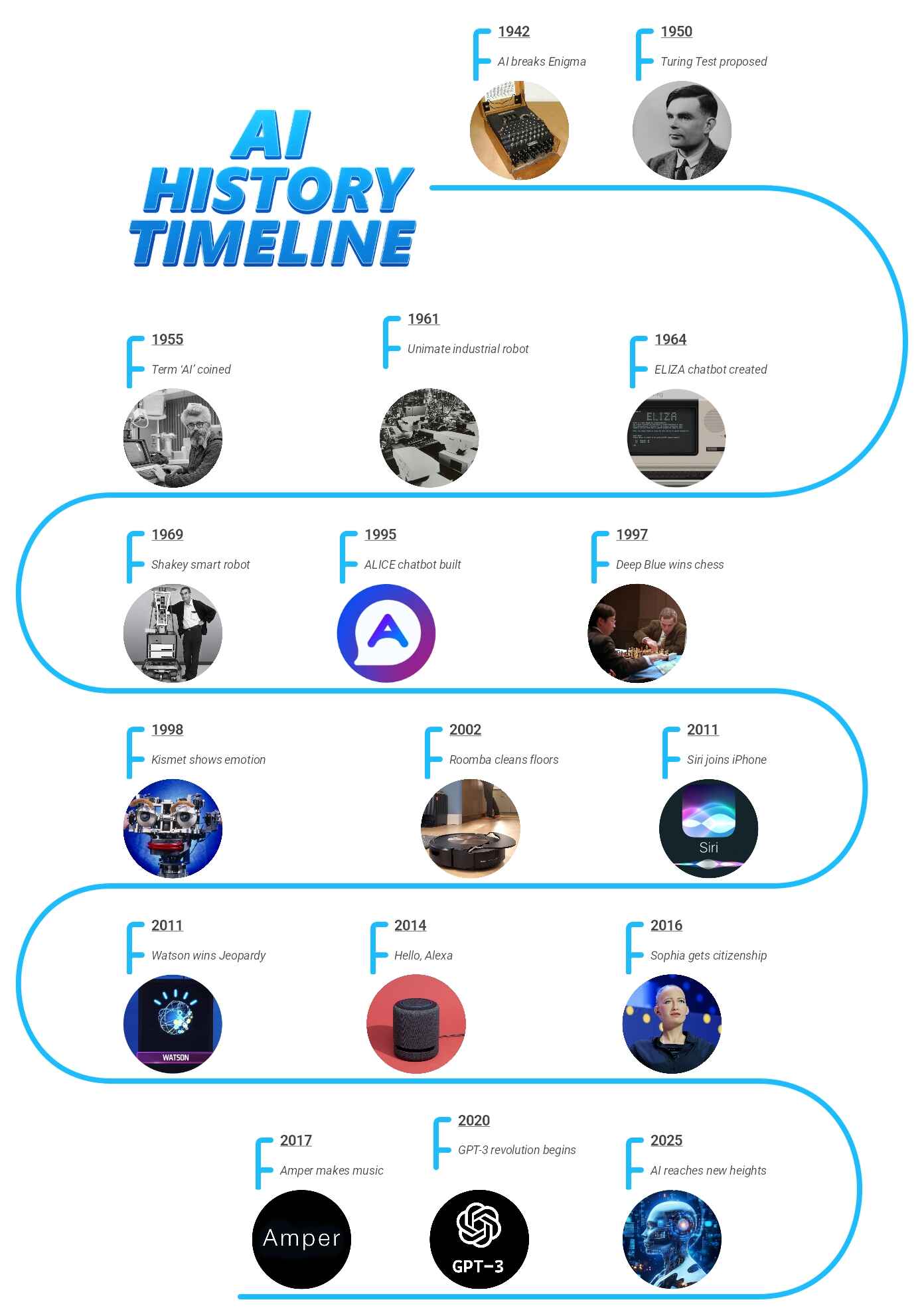
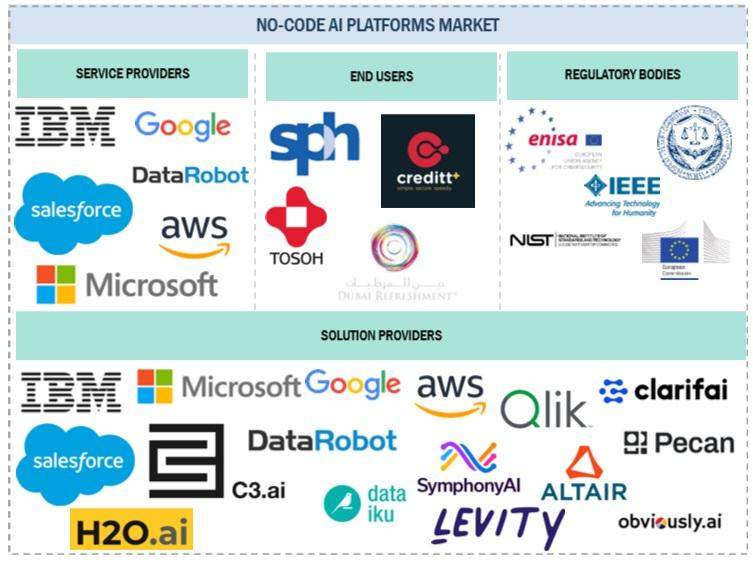
The integration of artificial intelligence into productivity tools is not a recent phenomenon but has evolved significantly over the past decade. Early AI applications in productivity were limited to basic automation and rule-based systems, such as email filters and calendar assistants. However, advancements in machine learning, natural language processing (NLP), and deep learning have expanded the capabilities of AI tools, enabling them to perform more complex tasks with greater accuracy. The year 2025 marks a pivotal moment in AI adoption, with tools becoming more intuitive, affordable, and widely accessible. The COVID-19 pandemic accelerated the shift toward remote work and digital collaboration, further driving the demand for AI-powered solutions. Companies like Microsoft, Google, and IBM have pioneered AI integrations into their productivity suites, while startups have introduced niche tools tailored to specific industries. The guide reflects this dynamic landscape, incorporating the latest trends, such as generative AI, predictive analytics, and AI-driven decision-making. It also addresses the ethical considerations surrounding AI adoption, including data privacy, bias mitigation, and the impact on employment.
#How It Works
The Ultimate Guide to AI Tools for Productivity (2025) functions as a structured framework for understanding and implementing AI solutions. It is divided into several key sections, each focusing on a different aspect of AI-driven productivity:
#
- Identifying Productivity Bottlenecks - The guide begins by helping users assess their current workflows to identify areas where AI can provide the most value. Common bottlenecks include repetitive tasks, data entry, communication delays, and decision-making inefficiencies. - Tools like process mining and workflow analytics are introduced to pinpoint inefficiencies and prioritize AI interventions.
#
- Selecting the Right AI Tools - A curated list of AI tools is provided, categorized by function:
- Chatbots and Virtual Assistants: Tools like Microsoft Copilot, Google Assistant, and Jasper for automating customer interactions and internal communications.
- Automation Platforms: Solutions such as Zapier, Make (formerly Integromat), and UiPath for connecting disparate systems and automating repetitive tasks.
- Data Analytics and Insights: Platforms like Tableau, Power BI, and Google Analytics 4 for deriving actionable insights from data.
- Content Creation and Management: AI tools like Grammarly, SurferSEO, and Midjourney for generating and optimizing content.
- Project Management: AI-enhanced tools such as Asana, Trello, and ClickUp for optimizing task allocation and progress tracking.
#
- Implementation Strategies - The guide outlines best practices for integrating AI tools into existing workflows, including:
- Pilot Testing: Running small-scale trials to evaluate tool performance before full deployment.
- Training and Onboarding: Ensuring teams are adequately trained to use new AI tools effectively.
- Scalability: Planning for future growth by selecting tools that can scale with organizational needs. - Case studies and testimonials from businesses that have successfully implemented AI tools are included to provide real-world context.
#
- Measuring Impact and ROI - The guide emphasizes the importance of tracking key performance indicators (KPIs) to measure the success of AI adoption. Metrics such as time saved, cost reduction, error rates, and user satisfaction are discussed. - Tools like Google Data Studio and Power BI are recommended for visualizing and analyzing productivity gains.
#
- Ethical and Responsible AI Use - Ethical considerations, such as data privacy, algorithmic bias, and transparency, are addressed. The guide encourages users to adopt AI tools that align with their organization’s values and compliance requirements.
#Important Facts
- Market Growth: The global AI productivity tools market is projected to reach $126.5 billion by 2028, growing at a compound annual growth rate (CAGR) of 20.4% from 2023 to 2028 (Source: Grand View Research).
- Adoption Rates: As of 2025, 68% of businesses have integrated at least one AI tool into their operations, with 42% using AI for automation and 35% for data analysis (Source: McKinsey & Company).
- Time Savings: Organizations using AI-powered automation report an average 30% reduction in time spent on repetitive tasks (Source: Deloitte).
- Cost Efficiency: AI-driven tools can reduce operational costs by up to 40% by minimizing manual labor and optimizing resource allocation (Source: PwC).
- User Satisfaction: 72% of employees believe AI tools enhance their productivity, with 65% reporting improved job satisfaction (Source: Gartner).
- Ethical Concerns: 58% of consumers express concerns about data privacy when using AI tools, highlighting the need for transparent and secure implementations (Source: IBM).
#Timeline
- Foundational ideas
Core concepts and early methods shape The Ultimate Guide to AI Tools.
- Practical use
Tools, examples, and real-world deployments make the topic easier to evaluate.
- Responsible implementation
Current work focuses on reliability, governance, performance, and measurable impact.
#Related Terms
#FAQ
What does The Ultimate Guide to AI Tools cover?
Covers the ultimate guide to ai tools, including core concepts, practical examples, benefits, limitations, and risks in AI Tools.
Why is The Ultimate Guide to AI Tools important?
It helps readers understand key concepts, compare practical use cases, and evaluate how AI Tools decisions affect outcomes, risks, and implementation choices.
What should readers verify before applying this topic?
Readers should compare benefits, limitations, data requirements, and related themes such as Ultimate, AI, Tools before using the ideas in real projects.
#References
- The Ultimate Guide to AI Tools terminology and background research
- The Ultimate Guide to AI Tools use cases, implementation examples, and limitations
- AI Tools best practices, standards, and risk guidance
- Ultimate case studies, benchmarks, and current industry analysis

Comments
No comments yet. Start the discussion with a useful note.