

#Short Answer
Covers meaning of ai in transportation, including core concepts, practical examples, benefits, limitations, and risks in Artificial Intelligence.
#Infobox
#Overview
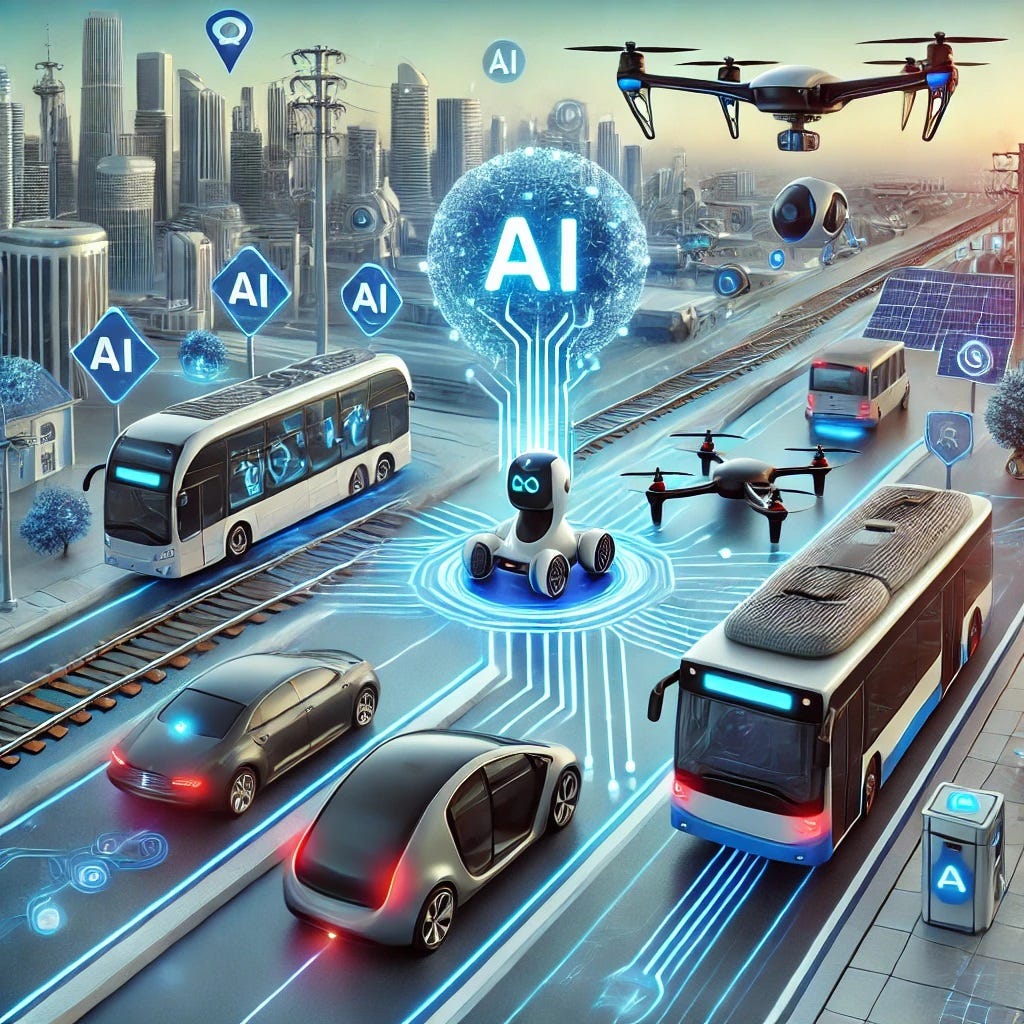
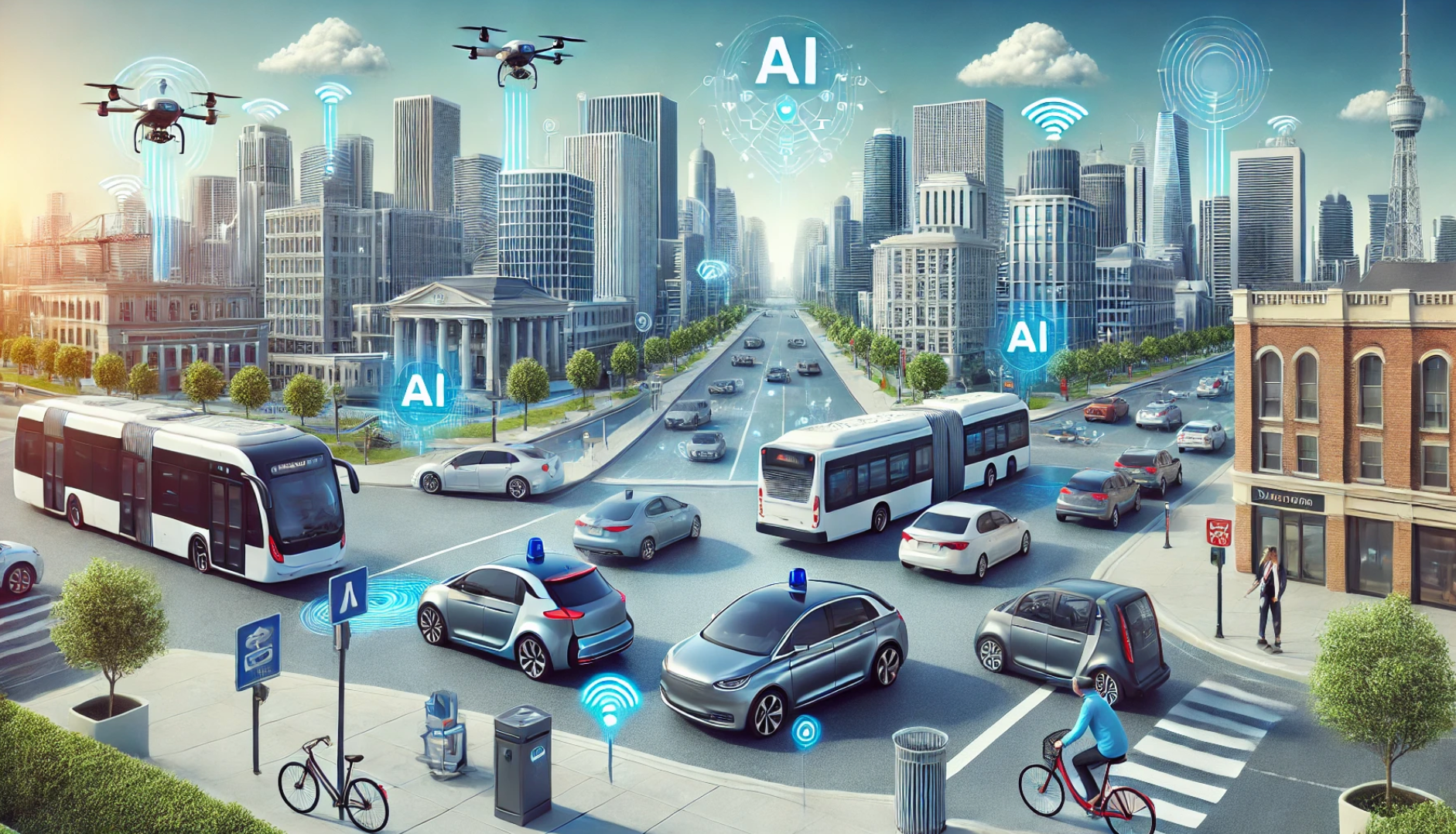
Artificial Intelligence is reshaping the transportation sector by introducing intelligent systems that reduce human error, improve operational efficiency, and enable smarter infrastructure. From self-driving cars to AI-driven traffic lights, AI enhances decision-making in real time, minimizing congestion and accidents. It also plays a pivotal role in logistics, where AI algorithms optimize delivery routes, predict demand, and manage fleets autonomously. The integration of AI in transportation is part of a broader digital transformation known as Intelligent Transportation Systems (ITS), which leverages data analytics and connectivity to create safer, faster, and more sustainable mobility solutions. Governments and corporations worldwide are investing heavily in AI-powered transportation to address urbanization, climate change, and the growing demand for mobility.
#History / Background
The concept of AI in transportation dates back to the mid-20th century, with early experiments in automation and control systems. However, significant progress began in the 1980s and 1990s with advancements in robotics and computing.
- 1980s–1990s: Early autonomous vehicle prototypes emerged, such as Carnegie Mellon University’s Navlab project and Japan’s Tsukuba Mechanical Engineering Laboratory’s autonomous car.
- 2000s: The Defense Advanced Research Projects Agency (DARPA) launched the DARPA Grand Challenge, a pivotal event that accelerated autonomous vehicle development. Stanford’s Stanley and Carnegie Mellon’s Tartan Racing won the challenge, proving the feasibility of self-driving cars.
- 2010s: Tech companies like Google (Waymo), Tesla, and Uber entered the autonomous vehicle space, conducting extensive road tests and refining AI models. Simultaneously, AI began transforming logistics with companies like Amazon and FedEx using predictive algorithms for route optimization.
- 2020s: AI-driven transportation systems expanded into smart cities, with AI-powered traffic management systems deployed in cities like Singapore, Los Angeles, and Beijing. The rise of Mobility-as-a-Service (MaaS) platforms further integrated AI to offer seamless, on-demand transportation solutions. Regulatory frameworks also evolved, with governments establishing guidelines for testing and deploying AI in transportation, balancing innovation with public safety.
#How It Works
AI in transportation operates through a combination of advanced technologies and data-driven processes:
#
- Autonomous Vehicles Autonomous vehicles rely on a combination of sensors, AI algorithms, and high-performance computing:
- Sensors: LiDAR, radar, cameras, and ultrasonic sensors collect real-time data about the vehicle’s surroundings.
- Perception: AI models, particularly deep learning neural networks, process sensor data to identify objects (e.g., pedestrians, other vehicles, traffic signs) and predict their movements.
- Localization and Mapping: Simultaneous Localization and Mapping (SLAM) algorithms help the vehicle determine its position relative to a high-definition map.
- Path Planning: AI algorithms calculate the safest and most efficient route, considering traffic, road conditions, and obstacles.
- Control Systems: The AI system sends commands to the vehicle’s actuators (steering, acceleration, braking) to execute the planned path.
#
- Traffic Management AI enhances traffic flow and reduces congestion through:
- Predictive Analytics: Machine learning models analyze historical and real-time traffic data to forecast congestion and suggest alternative routes.
- Adaptive Traffic Signals: AI-powered traffic lights adjust signal timings dynamically based on traffic volume, reducing wait times and emissions.
- Smart Infrastructure: IoT sensors embedded in roads and vehicles communicate with AI systems to provide real-time updates on road conditions, accidents, or hazards.
#
- Logistics and Fleet Optimization AI optimizes supply chains and fleet operations by:
- Route Optimization: Algorithms like Dijkstra’s or A* combined with machine learning determine the fastest, most fuel-efficient routes for delivery trucks or delivery drones.
- Demand Forecasting: AI analyzes historical sales data, weather patterns, and economic indicators to predict demand and optimize inventory levels.
- Predictive Maintenance: AI monitors vehicle health using sensor data to predict component failures before they occur, reducing downtime and repair costs.
- Autonomous Delivery: Companies like Nuro and Starship deploy AI-driven delivery robots and drones to transport goods autonomously in urban areas.
#
- Public Transportation AI improves public transit systems by:
- Dynamic Scheduling: AI adjusts bus and train schedules in real time based on ridership patterns and unexpected disruptions.
- Fare Optimization: Machine learning models analyze passenger behavior to set dynamic pricing, balancing revenue and accessibility.
- Crowd Management: AI-powered cameras and sensors monitor passenger flow to prevent overcrowding and improve safety.
#Important Facts
- Safety: AI-powered autonomous vehicles have the potential to reduce traffic accidents by up to 90%, as human error accounts for 94% of accidents.
- Efficiency: AI-driven traffic management can reduce travel time by 15–30% and cut fuel consumption by 10–15%.
- Economic Impact: The global AI in transportation market is projected to reach $36.8 billion by 2025, growing at a CAGR of 17.8%.
- Environmental Benefits: AI can reduce CO₂ emissions by optimizing routes and promoting electric vehicle adoption, contributing to sustainable mobility.
- Job Transformation: While AI may displace some driving-related jobs, it is expected to create new roles in AI development, data analysis, and system maintenance.
- Regulatory Challenges: The lack of standardized global regulations for autonomous vehicles remains a significant barrier to widespread adoption.
- Cybersecurity Risks: AI systems in transportation are vulnerable to cyberattacks, necessitating robust security measures to protect sensitive data and infrastructure.
#Timeline
- Foundational ideas
Core concepts and early methods shape Meaning of AI in Transportation.
- Practical use
Tools, examples, and real-world deployments make the topic easier to evaluate.
- Responsible implementation
Current work focuses on reliability, governance, performance, and measurable impact.
#Related Terms
#FAQ
What does Meaning of AI in Transportation cover?
Covers meaning of ai in transportation, including core concepts, practical examples, benefits, limitations, and risks in Artificial Intelligence.
Why is Meaning of AI in Transportation important?
It helps readers understand key concepts, compare practical use cases, and evaluate how Artificial Intelligence decisions affect outcomes, risks, and implementation choices.
What should readers verify before applying this topic?
Readers should compare benefits, limitations, data requirements, and related themes such as Meaning, AI, Transportation before using the ideas in real projects.
#References
- Meaning of AI in Transportation terminology and background research
- Meaning of AI in Transportation use cases, implementation examples, and limitations
- Artificial Intelligence best practices, standards, and risk guidance
- Meaning case studies, benchmarks, and current industry analysis

Comments
No comments yet. Start the discussion with a useful note.