

#Short Answer
Covers facts about ai in agriculture, including core concepts, practical examples, benefits, limitations, and risks in Artificial Intelligence.
#Infobox
#Overview
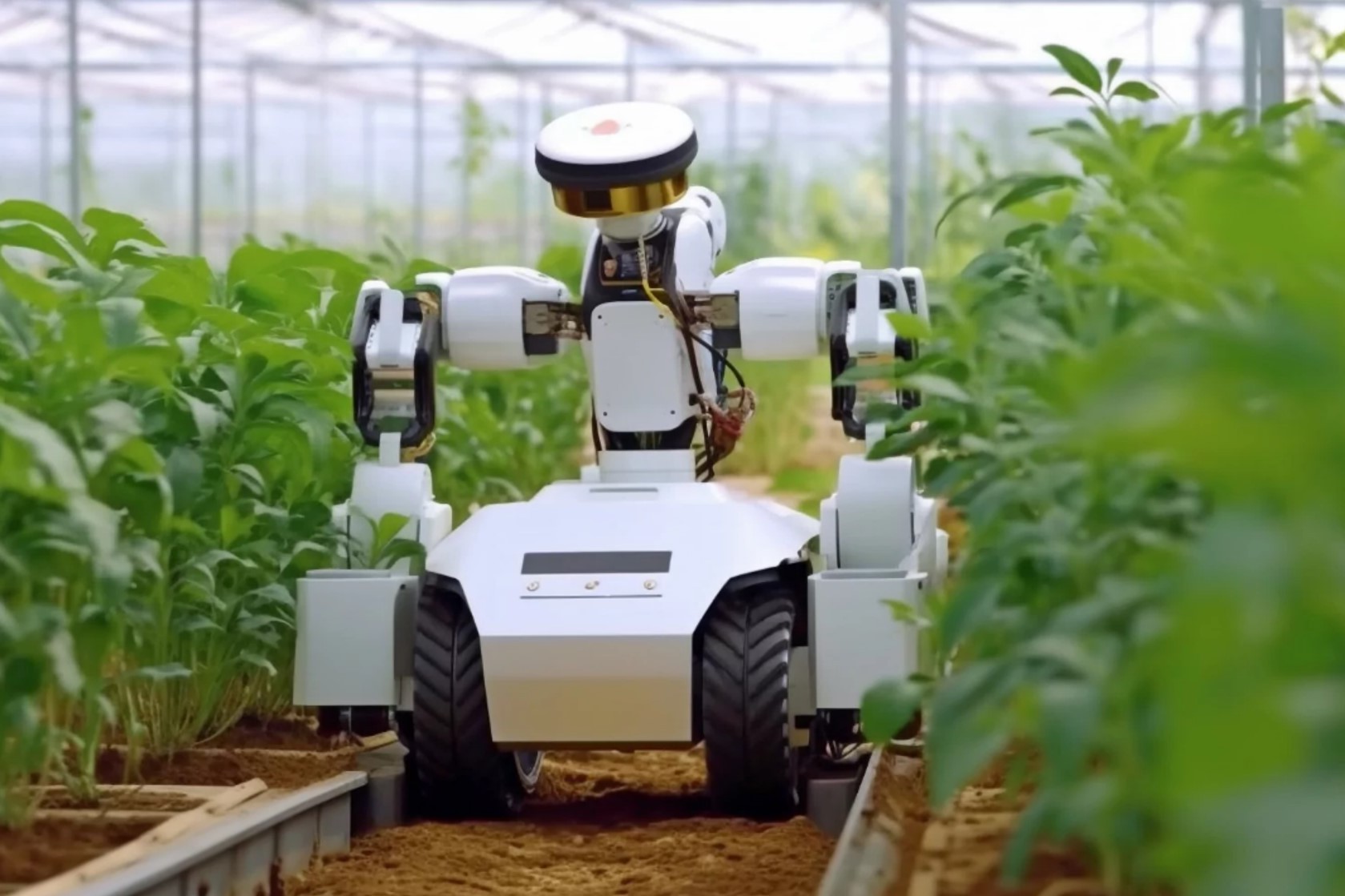
Artificial Intelligence (AI) is transforming agriculture by integrating advanced computational techniques with traditional farming practices. AI systems analyze vast datasets—including weather patterns, soil conditions, crop health, and market demands—to provide actionable insights. These insights enable farmers to make data-driven decisions, optimize resource allocation, and mitigate risks such as droughts or pest infestations. The adoption of AI in agriculture spans small-scale farms to large agribusinesses, with applications ranging from autonomous machinery to predictive analytics. By leveraging AI, the agricultural sector aims to address global challenges such as food security, climate change, and sustainable resource management. The integration of AI also facilitates the transition toward precision agriculture, where inputs like water, fertilizers, and pesticides are applied with high precision to maximize efficiency and minimize environmental impact.
#History / Background
The integration of AI into agriculture has evolved over several decades, marked by technological advancements and increasing computational power.
- 1980s–1990s: Early AI applications in agriculture focused on expert systems and rule-based decision support tools. These systems used predefined algorithms to advise farmers on crop management, pest control, and irrigation schedules.
- 2000s: The rise of machine learning and data analytics enabled more sophisticated models. Researchers began using neural networks to analyze satellite imagery and predict crop yields. The introduction of Global Positioning System (GPS) technology also laid the groundwork for precision farming.
- 2010s: The proliferation of Internet of Things (IoT) devices, drones, and sensors allowed real-time monitoring of farm conditions. Companies like John Deere and Blue River Technology pioneered AI-driven agricultural machinery, such as self-driving tractors and AI-powered sprayers that target weeds with precision.
- 2020s: AI in agriculture has expanded to include autonomous robots, computer vision for crop inspection, and blockchain for supply chain transparency. The COVID-19 pandemic accelerated digital adoption, highlighting the need for resilient, technology-driven food systems. Governments and organizations worldwide have recognized AI’s potential in agriculture. Initiatives such as the European Union’s Common Agricultural Policy (CAP) and the U.S. Department of Agriculture’s (USDA) AI research programs support the development and adoption of AI technologies in farming.
#How It Works
AI in agriculture operates through a combination of hardware, software, and data-driven algorithms. The process typically involves the following steps:
#
- Data Collection AI systems rely on diverse data sources:
- Satellite and drone imagery: Captures field conditions, crop health, and soil moisture.
- IoT sensors: Monitor temperature, humidity, soil pH, and nutrient levels in real time.
- Weather stations: Provide historical and predictive weather data.
- Farm management software: Records planting, harvesting, and pest management activities.
#
- Data Processing and Analysis Collected data is processed using:
- Machine Learning (ML): Algorithms identify patterns in large datasets to predict outcomes such as crop yields or pest outbreaks.
- Computer Vision: Analyzes images from drones or cameras to detect diseases, weeds, or nutrient deficiencies.
- Natural Language Processing (NLP): Extracts insights from unstructured data, such as farmer feedback or research papers.
#
- Decision Support and Automation AI models generate actionable recommendations or automate tasks:
- Precision farming: AI-driven systems adjust irrigation, fertilization, and pesticide application based on real-time data.
- Autonomous machinery: Tractors and harvesters equipped with AI navigate fields, avoiding obstacles and optimizing routes.
- Predictive analytics: Forecasts weather impacts, market prices, and supply chain disruptions to inform planting and harvesting schedules.
#
- Continuous Learning and Improvement AI systems improve over time through:
- Feedback loops: Farmers provide input on AI recommendations, refining future predictions.
- Reinforcement learning: Machines adapt strategies based on trial and error, such as optimizing planting density for higher yields.
#Important Facts
- Increased Yield: AI-powered precision agriculture can boost crop yields by up to 30% while reducing resource use by 20–50%.
- Pest and Disease Detection: Computer vision can identify plant diseases with 90%+ accuracy, enabling early intervention.
- Water Conservation: AI-driven irrigation systems reduce water usage by 20–30% by tailoring water delivery to plant needs.
- Cost Savings: Farmers using AI tools report 10–20% reductions in operational costs due to optimized input use.
- Climate Resilience: AI models predict climate impacts on crops, helping farmers adapt planting schedules and crop choices.
- Labor Shortage Solutions: Autonomous tractors and harvesters address labor gaps, especially in regions facing rural depopulation.
- Supply Chain Optimization: AI enhances logistics by predicting demand, reducing food waste, and improving traceability.
- Carbon Footprint Reduction: Precision farming lowers greenhouse gas emissions by minimizing fertilizer and pesticide overuse.
#Timeline
- Foundational ideas
Core concepts and early methods shape Facts About AI in Agriculture.
- Practical use
Tools, examples, and real-world deployments make the topic easier to evaluate.
- Responsible implementation
Current work focuses on reliability, governance, performance, and measurable impact.
#Related Terms
#FAQ
What does Facts About AI in Agriculture cover?
Covers facts about ai in agriculture, including core concepts, practical examples, benefits, limitations, and risks in Artificial Intelligence.
Why is Facts About AI in Agriculture important?
It helps readers understand key concepts, compare practical use cases, and evaluate how Artificial Intelligence decisions affect outcomes, risks, and implementation choices.
What should readers verify before applying this topic?
Readers should compare benefits, limitations, data requirements, and related themes such as Facts, About, AI before using the ideas in real projects.
#References
- Facts About AI in Agriculture terminology and background research
- Facts About AI in Agriculture use cases, implementation examples, and limitations
- Artificial Intelligence best practices, standards, and risk guidance
- Facts case studies, benchmarks, and current industry analysis

Comments
No comments yet. Start the discussion with a useful note.