

#Short Answer
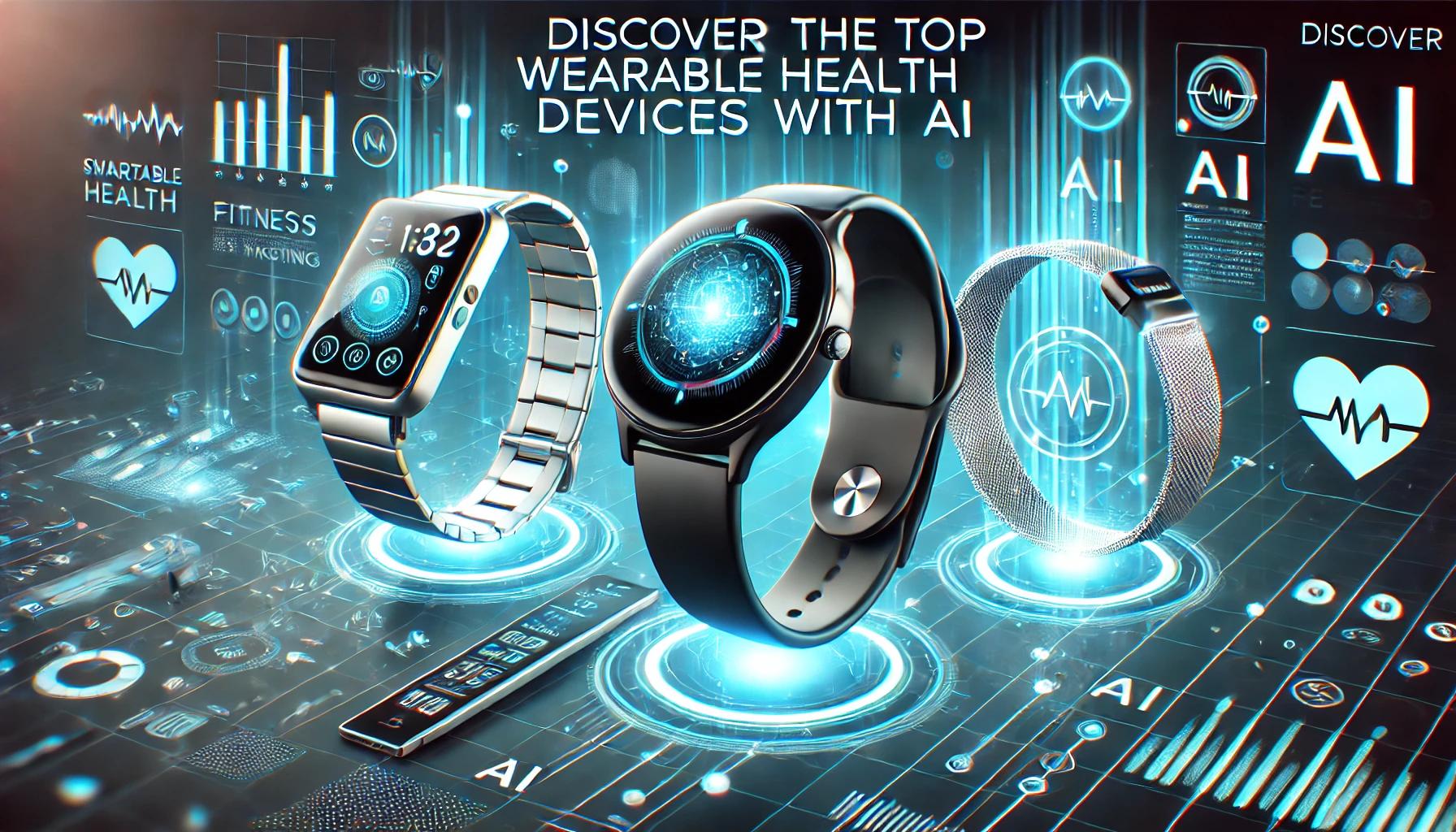
Explores how artificial intelligence shapes wearables and health and fitness, covering practical use cases, benefits, limitations, and risks.
#Infobox
Artificial Intelligence in Wearable Health and Fitness Devices Field Artificial intelligence, Wearable technology, Health informatics Key Developers Apple, Fitbit, Garmin, Samsung, Xiaomi, Withings, Polar, Oura, Whoop First Introduced Early 2010s Primary Use Health monitoring, fitness tracking, disease prediction, personalized wellness Notable Features Real-time data analysis, predictive analytics, biometric sensors, AI-driven insights Market Size (2024) Approx. $61.3 billion (global wearable AI market) Projected Growth (2030) CAGR of 18.6%
#Overview
AI-powered wearable health and fitness devices represent a convergence of artificial intelligence, wearable technology, and health informatics. These devices collect and analyze physiological and behavioral data to deliver actionable insights for users and healthcare providers. By leveraging AI, wearables can adapt to individual health profiles, detect anomalies, and offer tailored recommendations for improving physical and mental well-being.
The integration of AI in wearables has transformed passive tracking devices into proactive health management tools. Modern wearables equipped with AI can predict health events such as arrhythmias, sleep disorders, or metabolic imbalances before symptoms manifest. This shift from reactive to preventive healthcare is a key driver of the wearable AI market's rapid expansion.
#History / Background
#Early Developments
The concept of wearable health monitoring dates back to the 1960s with the development of the Holter monitor, a portable device for recording heart activity. However, the integration of AI into wearables began in the early 2010s as advancements in sensor technology and machine learning algorithms became more accessible. Early adopters like Fitbit and Jawbone introduced basic activity trackers that laid the foundation for AI-driven health monitoring.
#Breakthroughs in AI Integration
A significant milestone occurred in 2017 when Apple Watch introduced the Series 3, featuring an electrocardiogram (ECG) app powered by AI. This innovation allowed users to detect atrial fibrillation, a common heart rhythm disorder. Around the same time, Google acquired Fitbit, accelerating AI-driven health research and wearable development.
In 2020, the FDA cleared several AI-powered wearables for medical use, including devices that monitor blood glucose levels and detect sleep apnea. The COVID-19 pandemic further accelerated adoption, as remote health monitoring became essential for managing chronic conditions and reducing hospital visits.
#How It Works
#Data Collection
Wearable devices equipped with AI rely on multiple sensors to gather data, including:
- Accelerometers: Track movement and physical activity.
- Heart Rate Monitors: Measure pulse and detect irregularities.
- Pulse Oximeters: Monitor blood oxygen levels.
- Electrocardiogram (ECG) Sensors: Record electrical activity of the heart.
- Skin Temperature Sensors: Detect fever or metabolic changes.
- Electrodermal Activity (EDA) Sensors: Measure stress levels.
- GPS: Track location and movement patterns.
#AI Processing and Analysis
Once data is collected, AI algorithms process and analyze it using the following techniques:
- Machine Learning: Identifies patterns in user behavior and health trends.
- Deep Learning: Uses neural networks to detect complex health anomalies.
- Natural Language Processing (NLP): Enables voice assistants to interpret user queries and provide health insights.
- Predictive Analytics: Forecasts potential health risks based on historical data.
- Computer Vision: Analyzes images (e.g., skin conditions or posture) via smartphone-connected wearables.
#User Feedback and Intervention
AI-driven wearables provide real-time feedback through:
- Push notifications for abnormal health metrics.
- Personalized exercise and diet recommendations.
- Integration with telemedicine platforms for remote consultations.
- Gamification features to encourage healthy habits.
#Important Facts
- Market Growth: The global wearable AI market was valued at $61.3 billion in 2024 and is projected to grow at a CAGR of 18.6% through 2030.
- Regulatory Approvals: Over 50 AI-powered wearables have received FDA clearance for medical use as of 2024.
- Accuracy Improvements: AI algorithms in wearables now achieve over 95% accuracy in detecting atrial fibrillation and sleep apnea.
- Battery Life: Advances in low-power AI chips have extended battery life in wearables to 7+ days on a single charge.
- Data Privacy Concerns: 68% of users express concerns about the security of their health data stored in wearable devices.
- Integration with EHRs: 42% of healthcare providers now integrate wearable data into electronic health records (EHRs) for better patient management.
- Cost Reduction: The average price of a high-end AI-powered wearable has dropped from $300 in 2018 to $150 in 2024 due to mass production and competition.
#Timeline
Year Milestone 1960s Introduction of the Holter monitor for continuous heart monitoring. 2011 Fitbit releases the first mass-market activity tracker. 2015 Apple introduces the Apple Watch with basic health tracking features. 2017 Apple Watch Series 3 introduces ECG monitoring powered by AI. 2018 FDA approves the first AI-powered wearable for detecting diabetic retinopathy. 2020 Google acquires Fitbit, accelerating AI-driven health research. 2021 Oura Ring receives FDA clearance for sleep apnea detection. 2022 WHOOP 4.0 introduces AI-powered recovery and strain analysis. 2023 Samsung Galaxy Watch 6 receives CE mark for atrial fibrillation detection in Europe. 2024 Xiaomi releases the Smart Band 8 Pro with real-time health coaching via AI.
#Related Terms
#FAQ
What does AI And Wearables: Health And Fitness cover?
Explores how artificial intelligence shapes wearables and health and fitness, covering practical use cases, benefits, limitations, and risks.
Why is AI And Wearables: Health And Fitness important?
It helps readers understand key concepts, compare practical use cases, and evaluate how Healthcare AI decisions affect outcomes, risks, and implementation choices.
What should readers verify before applying this topic?
Readers should compare the benefits, limitations, data requirements, and related themes such as Wearable, Health, Fitnes before using the ideas in real projects.
#References
- AI And Wearables: Health And Fitness terminology and background research
- AI And Wearables: Health And Fitness use cases, implementation examples, and limitations
- Healthcare AI best practices, standards, and risk guidance
- Wearable case studies, benchmarks, and current industry analysis



Comments
No comments yet. Start the discussion with a useful note.