

#Short Answer
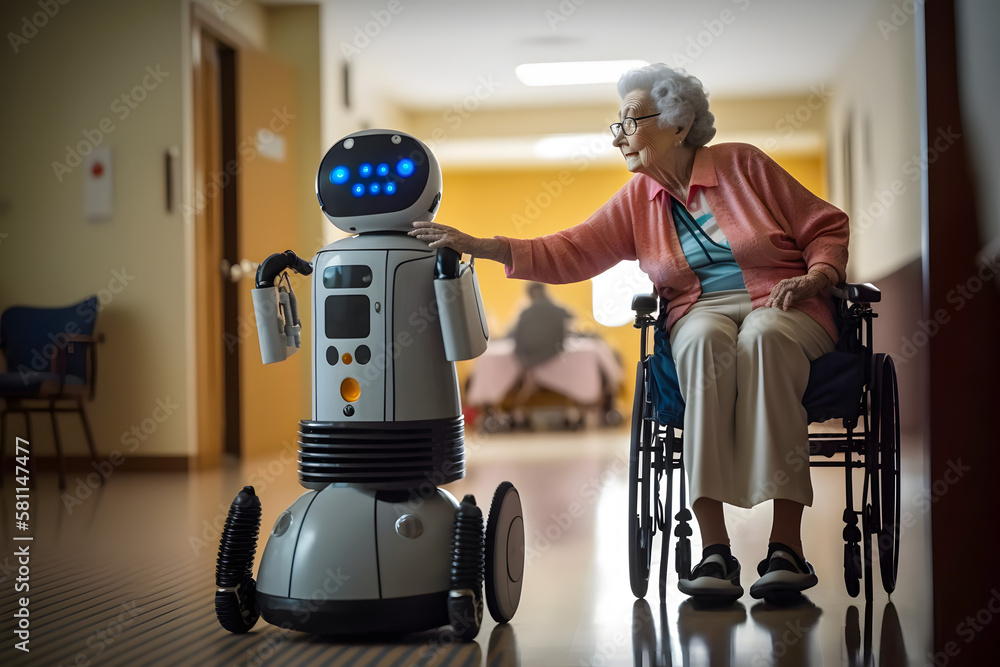
AI and aging is an interdisciplinary field that combines artificial intelligence with gerontology to develop solutions that support the health, safety, and well-being of older adults. As global populations age, the demand for innovative care models has surged, making AI a critical tool in addressing the challenges of an aging society. These technologies aim to enhance independence, reduce healthcare costs, and improve the quality of life for seniors while alleviating the strain on caregivers and healthcare systems.
#Infobox
#Overview
AI and aging is an interdisciplinary field that combines artificial intelligence with gerontology to develop solutions that support the health, safety, and well-being of older adults. As global populations age, the demand for innovative care models has surged, making AI a critical tool in addressing the challenges of an aging society. These technologies aim to enhance independence, reduce healthcare costs, and improve the quality of life for seniors while alleviating the strain on caregivers and healthcare systems.
Key areas of focus include health monitoring through wearable devices, cognitive support for conditions like dementia, fall detection and prevention, medication management, and social engagement tools. AI-driven systems can analyze vast amounts of data to predict health risks, personalize care plans, and provide real-time assistance, thereby transforming traditional senior care into a more proactive and responsive model.
#History / Background
#Early Developments
The integration of AI into senior care traces back to the late 20th century when early expert systems were developed to assist in medical diagnostics. Projects like MYCIN, an AI program for identifying bacteria causing severe infections, laid the groundwork for AI applications in healthcare. However, it wasn't until the 2000s that AI began to be specifically tailored for aging populations, driven by advancements in computing power and data analytics.
#Rise of Gerontechnology
The term gerontechnology emerged in the 1990s to describe the intersection of gerontology and technology. By the 2010s, AI became a central component of gerontechnology, enabling the development of smart home systems, wearable health monitors, and robotic assistants designed for elderly care. Governments and organizations worldwide began investing in AI-driven senior care initiatives to address the growing needs of aging populations.
#Modern Advancements
Recent years have seen significant progress in AI applications for aging, including the use of machine learning for predictive analytics, natural language processing for cognitive assistance, and computer vision for fall detection. The COVID-19 pandemic further accelerated the adoption of AI in senior care, highlighting the need for remote monitoring and contactless solutions. Today, AI is increasingly integrated into smart home environments, healthcare facilities, and community care programs.
#How It Works
#Health Monitoring
AI-powered health monitoring systems use wearable devices, such as smartwatches and biosensors, to track vital signs like heart rate, blood pressure, and oxygen levels. These devices collect real-time data, which is analyzed by AI algorithms to detect anomalies and predict potential health issues. For example, irregular heart rhythms can trigger alerts for medical professionals, enabling early intervention.
#Cognitive Assistance
AI-driven cognitive assistants, such as chatbots and virtual companions, help seniors manage daily tasks, remind them to take medications, and provide mental stimulation through games and conversations. These tools are particularly beneficial for individuals with cognitive impairments, such as Alzheimer's disease, as they offer consistent support and reduce feelings of isolation.
#Fall Detection and Prevention
Falls are a leading cause of injury among older adults. AI-powered fall detection systems use sensors and computer vision to identify falls in real time. When a fall is detected, the system can automatically alert caregivers or emergency services. Some systems also analyze gait patterns to predict fall risks and recommend preventive measures, such as balance exercises or home modifications.
#Medication Management
AI applications assist seniors in managing their medications by sending reminders, tracking adherence, and identifying potential drug interactions. Smart pill dispensers equipped with AI can dispense the correct dosage at the right time, while apps provide educational content about medications and their side effects.
#Social Companionship
Loneliness and social isolation are significant concerns for older adults. AI-powered social robots and virtual assistants, such as ElliQ and Joy for All, engage seniors in conversations, play music, and facilitate video calls with family members. These companions help reduce loneliness and improve emotional well-being.
#Important Facts
- Global Aging: By 2050, the global population aged 65 and older is expected to reach 1.5 billion, nearly triple the number in 2019.
- AI Adoption: Over 60% of healthcare organizations have adopted AI technologies for senior care, with the market projected to grow at a CAGR of 35% from 2023 to 2030.
- Cost Savings: AI-driven remote monitoring can reduce hospital readmissions by up to 30%, saving billions in healthcare costs annually.
- Ethical Considerations: Privacy concerns and data security are critical challenges in AI applications for senior care, necessitating robust safeguards.
- Regulatory Landscape: Governments are increasingly implementing regulations to ensure the safe and ethical use of AI in healthcare, such as the EU's AI Act and HIPAA in the United States.
#Timeline
- Early expert systems in
Early expert systems in healthcare begin to emerge.
- The term 'gerontechnology' i
The term 'gerontechnology' is coined, laying the foundation for AI in senior care.
- First AI-driven health monitor
First AI-driven health monitoring devices for seniors are introduced.
- IBM Watson begins exploring
IBM Watson begins exploring AI applications in healthcare, including senior care.
- Smart home systems with
Smart home systems with AI integration for elderly care gain popularity.
- AI-powered fall detection syst
AI-powered fall detection systems are commercialized.
- The COVID-19 pandemic accelera
The COVID-19 pandemic accelerates the adoption of AI in remote senior care.
- Global AI in healthcare
Global AI in healthcare market reaches $15.4 billion, with significant growth in senior care applications.
- Regulatory frameworks for AI
Regulatory frameworks for AI in healthcare, such as the EU AI Act, are implemented.
#Related Terms
#FAQ
What does AI And Aging: Senior Care cover?
Explores how artificial intelligence shapes aging and senior care, covering practical use cases, benefits, limitations, and risks.
Why is AI And Aging: Senior Care important?
It helps readers understand key concepts, compare practical use cases, and evaluate how Healthcare AI decisions affect outcomes, risks, and implementation choices.
What should readers verify before applying this topic?
Readers should compare the benefits, limitations, data requirements, and related themes such as Aging, Senior, Care before using the ideas in real projects.
#References
- AI And Aging: Senior Care terminology and background research
- AI And Aging: Senior Care use cases, implementation examples, and limitations
- Healthcare AI best practices, standards, and risk guidance
- Aging case studies, benchmarks, and current industry analysis

Comments
No comments yet. Start the discussion with a useful note.