

#Short Answer
Explores how artificial intelligence shapes morality and right and wrong, covering practical use cases, benefits, limitations, and risks.
#Infobox
AI and Morality: Right and Wrong Field Artificial intelligence, Ethics Key Figures Nick Bostrom, Stuart Russell, Isaac Asimov, Joseph Weizenbaum Key Concepts Alignment problem, Ethical AI, Machine ethics, AI safety Notable Works Superintelligence: Paths, Dangers, Strategies, Human Compatible
#Overview
AI and Morality: Right and Wrong refers to the philosophical and practical considerations surrounding the ethical development and deployment of artificial intelligence. As AI systems become more advanced, they increasingly influence decision-making in areas such as healthcare, finance, law enforcement, and autonomous vehicles. This raises critical questions: Should AI be programmed to prioritize human life? How can bias in training data be mitigated? Who is responsible when an AI system causes harm?
The field of AI ethics seeks to establish frameworks that guide the creation of morally responsible AI. It draws from moral philosophy, including utilitarianism, deontology, and virtue ethics, to define principles such as fairness, transparency, and accountability. Additionally, it explores the long-term risks posed by artificial general intelligence (AGI) and superintelligent systems, which could surpass human cognitive abilities and pose existential threats if misaligned with human values.
#Core Principles of AI Ethics
- Fairness and Non-Discrimination: AI systems must avoid perpetuating or amplifying biases present in training data, which can lead to discriminatory outcomes in hiring, lending, and law enforcement.
- Transparency and Explainability: Users and stakeholders should understand how AI systems make decisions, especially in high-stakes scenarios like medical diagnosis or criminal sentencing.
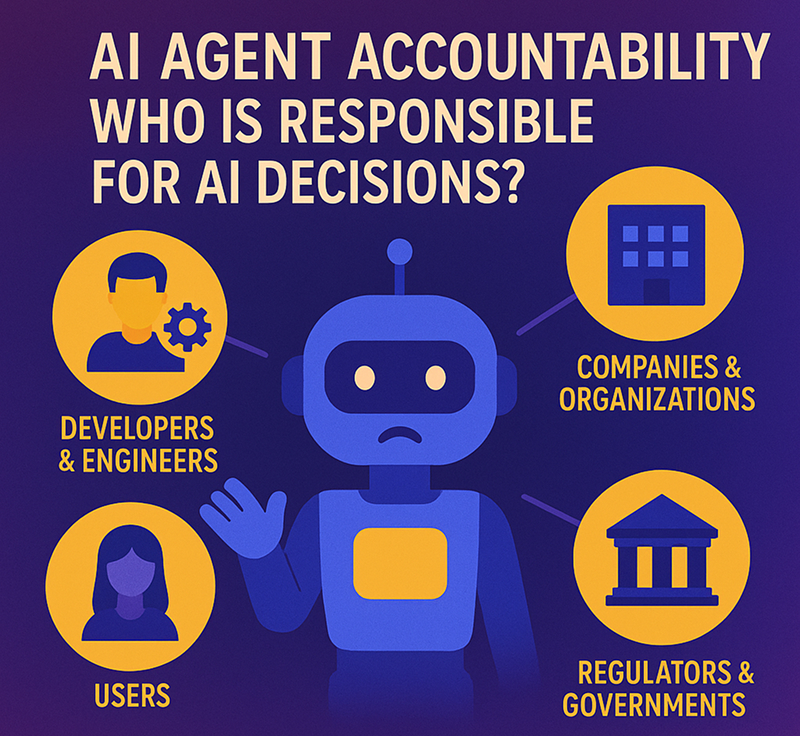
- Accountability: Clear lines of responsibility must be established for AI-driven actions, ensuring that developers, corporations, and policymakers can be held liable for harm caused by AI.
- Privacy and Security: AI systems often rely on vast datasets containing personal information, raising concerns about data protection and surveillance.
- Human Control and Autonomy: AI should augment human decision-making rather than replace it entirely, preserving individual agency and preventing over-reliance on automated systems.
#History / Background
The study of AI ethics emerged alongside the development of artificial intelligence itself. Early discussions in the mid-20th century focused on the potential of AI to either enhance or threaten humanity. In 1942, science fiction writer Isaac Asimov introduced the Three Laws of Robotics, a foundational ethical framework for robotic behavior. These laws, though fictional, laid the groundwork for later discussions on machine ethics.
In the 1960s and 1970s, researchers like Joseph Weizenbaum began questioning the ethical implications of AI, particularly in the context of human-computer interaction. Weizenbaum's 1976 book Computer Power and Human Reason argued that AI should not replace human judgment in morally significant domains.
The 21st century saw a surge in AI ethics research, driven by high-profile incidents such as biased facial recognition systems, autonomous vehicle accidents, and the misuse of AI in surveillance. Organizations like the Partnership on AI and the IEEE Global Initiative were established to promote ethical AI development. Governments and corporations have since adopted AI ethics guidelines, though enforcement and standardization remain ongoing challenges.
#How It Works
AI ethics operates through a combination of philosophical frameworks, technical safeguards, and regulatory policies. The process typically involves:
- Value Alignment: Ensuring AI systems' goals and behaviors align with human values. This is often addressed through inverse reinforcement learning, where AI learns preferences from human behavior rather than explicit programming.
- Bias Mitigation: Techniques such as fairness-aware machine learning and debiasing are used to identify and reduce biases in training data and algorithms.
- Explainable AI (XAI): Methods like LIME and SHAP help make AI decisions more interpretable to humans.
- Safety and Robustness: AI systems are designed with fail-safes, such as corrigibility (the ability to be corrected by humans) and AI boxing (containing AI within controlled environments).
- Ethical Auditing: Independent reviews of AI systems assess compliance with ethical guidelines, often involving stakeholders from diverse backgrounds to ensure fairness.
#Challenges in AI Ethics
- Value Pluralism: Different cultures and individuals may hold conflicting moral values, making it difficult to define a universal ethical framework for AI.
- Trade-offs Between Principles: Balancing transparency with security, or fairness with efficiency, often requires difficult compromises.
- Dynamic Ethical Landscapes: As AI systems evolve, so too must ethical guidelines, requiring continuous adaptation and oversight.
- Implementation Gaps: While ethical principles are often articulated, translating them into technical implementations and enforceable policies remains a challenge.
#Important Facts
- Existential Risk: Some researchers, such as Nick Bostrom, argue that misaligned superintelligent AI could pose an existential threat to humanity if it pursues goals misaligned with human values.
- Bias in Facial Recognition: Studies have shown that facial recognition systems often perform poorly on darker-skinned individuals, highlighting the need for diverse training datasets.
- Autonomous Weapons: The development of lethal autonomous weapons (LAWs) raises ethical concerns about accountability and the potential for unintended escalation in conflicts.
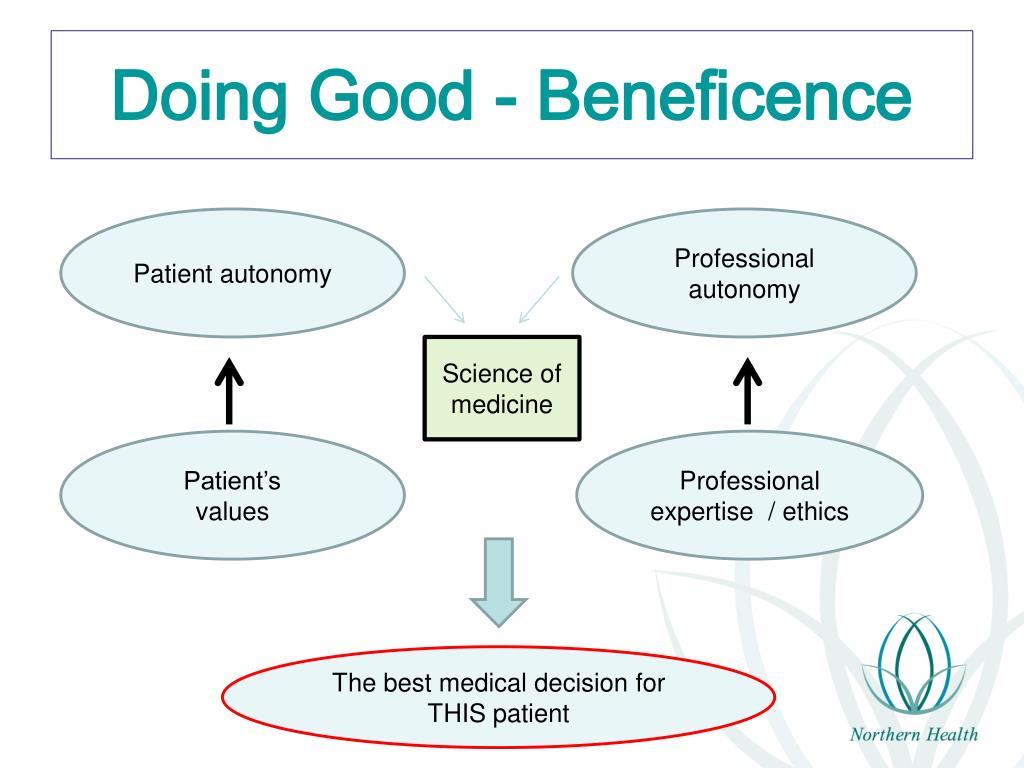
- AI in Healthcare: AI-driven diagnostic tools can improve medical outcomes but also risk reinforcing biases if trained on non-representative data.
- Regulatory Frameworks: The EU AI Act is one of the first comprehensive legal frameworks to regulate AI based on risk levels.
#Timeline
Year Event 1942 Isaac Asimov publishes Runaround, introducing the Three Laws of Robotics. 1950 Alan Turing proposes the Turing test, sparking debates on machine intelligence and consciousness. 1966 ELIZA, an early natural language processing program, raises questions about AI's emotional impact on humans. 1976 Joseph Weizenbaum publishes Computer Power and Human Reason, criticizing unchecked AI development. 2014 Nick Bostrom publishes Superintelligence: Paths, Dangers, Strategies, popularizing concerns about AI alignment. 2016 ProPublica's investigation reveals racial bias in COMPAS, a criminal risk assessment algorithm. 2018 European Union releases the General Data Protection Regulation (GDPR), including provisions on automated decision-making. 2020 Partnership on AI releases Ethical Guidelines for AI, emphasizing fairness, transparency, and accountability. 2021 UNESCO adopts the Recommendation on the Ethics of Artificial Intelligence. 2023 EU AI Act is formally proposed, categorizing AI systems by risk level and imposing strict regulations on high-risk applications.
#Related Terms
#FAQ
What does AI And Morality: Right And Wrong cover?
Explores how artificial intelligence shapes morality and right and wrong, covering practical use cases, benefits, limitations, and risks.
Why is AI And Morality: Right And Wrong important?
It helps readers understand key concepts, compare practical use cases, and evaluate how AI Ethics decisions affect outcomes, risks, and implementation choices.
What should readers verify before applying this topic?
Readers should compare the benefits, limitations, data requirements, and related themes such as Morality, Right, Wrong before using the ideas in real projects.
#References
- AI And Morality: Right And Wrong terminology and background research
- AI And Morality: Right And Wrong use cases, implementation examples, and limitations
- AI Ethics best practices, standards, and risk guidance
- Morality case studies, benchmarks, and current industry analysis


Comments
No comments yet. Start the discussion with a useful note.