


#Short Answer
Explores how artificial intelligence shapes IT and system management, covering practical use cases, benefits, limitations, and risks.
#Infobox
Artificial Intelligence and IT System Management Field Artificial Intelligence (AI), Information Technology (IT) Key Concepts Machine Learning, Automation, Data Management, Cybersecurity, System Optimization Notable Standards ISO/IEC 42001 (AI Management Systems) Applications Enterprise IT, Cloud Computing, Cybersecurity, AI Governance Related Fields Data Science, Software Engineering, Robotics, Network Management
#Overview
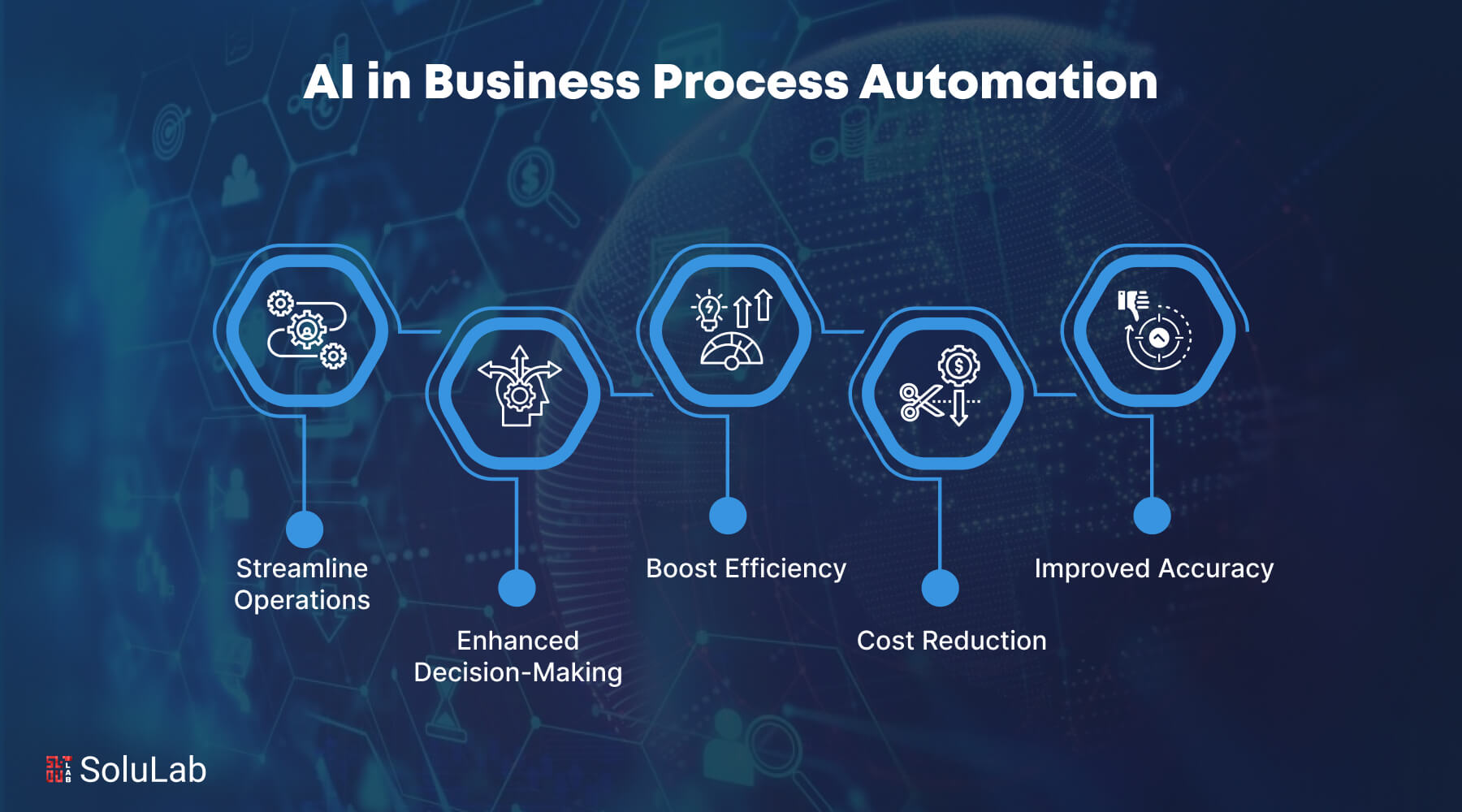
AI and IT system management represent a convergence of advanced computational techniques and traditional IT practices. AI introduces capabilities such as natural language processing, computer vision, and deep learning to automate complex tasks, while IT system management focuses on the orchestration of hardware, software, networks, and data to support organizational objectives. This synergy enables businesses to achieve higher operational efficiency, reduced downtime, and enhanced decision-making through data-driven insights.
The integration of AI into IT management has led to the development of intelligent systems capable of self-healing, self-optimizing, and predictive maintenance. These systems leverage machine learning algorithms to analyze historical data, identify patterns, and proactively address potential issues before they escalate. Additionally, AI-driven cybersecurity tools enhance threat detection and response by identifying anomalies in real-time, thereby mitigating risks associated with cyberattacks.
#History / Background
The evolution of AI and IT system management can be traced back to the mid-20th century, with foundational contributions from pioneers such as Alan Turing and John McCarthy. Turing's work on computational theory laid the groundwork for AI, while McCarthy coined the term "artificial intelligence" in 1956. Early AI systems were rule-based and lacked the adaptability of modern machine learning models.
The development of IT system management as a discipline gained momentum in the 1980s and 1990s with the proliferation of personal computers and enterprise networks. The rise of the internet and cloud computing in the 2000s further transformed IT management, necessitating scalable and automated solutions. The introduction of AI into IT management began in earnest during the 2010s, driven by advancements in deep learning, big data analytics, and the availability of high-performance computing resources.
In 2023, the International Organization for Standardization (ISO) published ISO/IEC 42001, the first international standard for AI management systems. This standard provides guidelines for organizations to implement AI in a structured, ethical, and secure manner, addressing concerns related to bias, transparency, and accountability.
#How It Works
#AI in IT System Management
AI enhances IT system management through several key mechanisms:
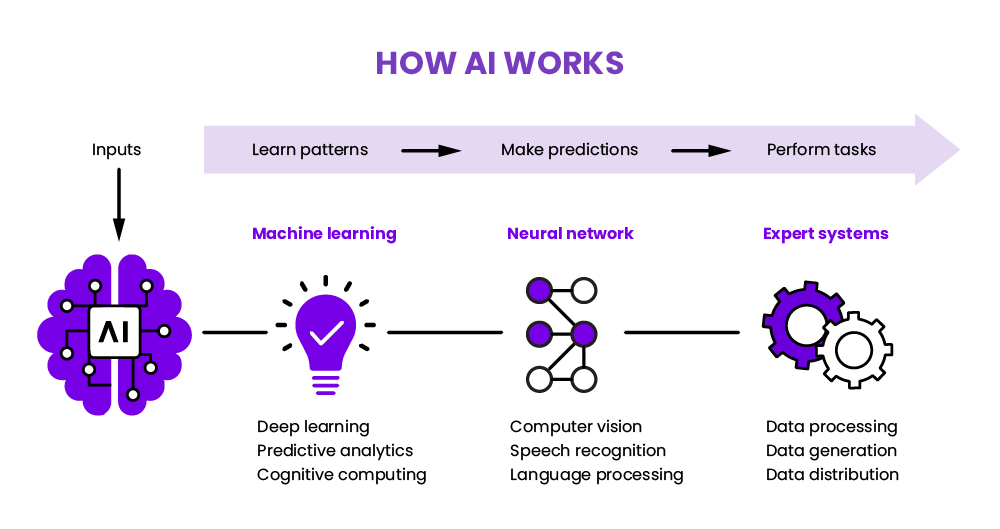
- Predictive Analytics: AI models analyze historical data to forecast system failures, resource demands, and security threats. This enables proactive maintenance and resource allocation.
- Automated Troubleshooting: Machine learning algorithms diagnose issues in real-time by comparing current system states against known patterns, reducing the need for manual intervention.
- Natural Language Processing (NLP): AI-powered chatbots and virtual assistants handle user queries, automate helpdesk functions, and provide 24/7 support.
- Anomaly Detection: AI systems monitor network traffic, user behavior, and system logs to identify deviations from normal patterns, flagging potential security breaches or performance bottlenecks.
- Self-Optimizing Systems: AI-driven IT systems adjust configurations dynamically to optimize performance, energy consumption, and cost efficiency.
#IT System Management Frameworks
IT system management relies on structured frameworks to ensure reliability, security, and scalability. Key components include:
- ITIL (Information Technology Infrastructure Library): A widely adopted framework for IT service management, emphasizing best practices in service delivery and support.
- COBIT (Control Objectives for Information and Related Technologies): A governance framework that aligns IT processes with business objectives, ensuring compliance and risk management.
- DevOps: A cultural and operational approach that integrates development and operations teams to accelerate software delivery and improve system reliability.
- ITSM (IT Service Management): Focuses on delivering IT services efficiently, often leveraging AI to automate incident management, change control, and service requests.
#Important Facts
- AI Adoption: According to a 2023 report by Gartner, over 50% of enterprises have adopted AI in some form within their IT operations.
- Cost Savings: AI-driven automation can reduce IT operational costs by up to 30% by minimizing manual interventions and optimizing resource utilization.
- Cybersecurity: AI-powered threat detection systems can identify and neutralize cyber threats 60% faster than traditional methods.
- ISO/IEC 42001: This standard is the first of its kind to provide a comprehensive framework for AI governance, ensuring ethical and transparent AI deployment.
- Skill Gap: The demand for AI and IT system management professionals is projected to grow by 22% annually, with a significant shortage of skilled talent in the industry.
#Timeline
Year Event 1950 Alan Turing publishes "Computing Machinery and Intelligence," introducing the Turing Test. 1956 John McCarthy coins the term "artificial intelligence" at the Dartmouth Conference. 1980s Rise of personal computing and early IT management tools. 1990s Emergence of enterprise networks and IT service management frameworks like ITIL. 2000s Cloud computing revolutionizes IT infrastructure, enabling scalable and automated management. 2010s AI research advances with deep learning, leading to practical applications in IT management. 2016 Google's AlphaGo defeats a world champion Go player, demonstrating AI's potential in complex decision-making. 2023 ISO/IEC 42001 is published, establishing the first international standard for AI management systems.
#Related Terms
#FAQ
What does AI And IT: System Management cover?
Explores how artificial intelligence shapes IT and system management, covering practical use cases, benefits, limitations, and risks.
Why is AI And IT: System Management important?
It helps readers understand key concepts, compare practical use cases, and evaluate how Artificial Intelligence decisions affect outcomes, risks, and implementation choices.
What should readers verify before applying this topic?
Readers should compare the benefits, limitations, data requirements, and related themes such as System, Management, AI Applications before using the ideas in real projects.
#References
- AI And IT: System Management terminology and background research
- AI And IT: System Management use cases, implementation examples, and limitations
- Artificial Intelligence best practices, standards, and risk guidance
- System case studies, benchmarks, and current industry analysis


Comments
No comments yet. Start the discussion with a useful note.