

#Short Answer
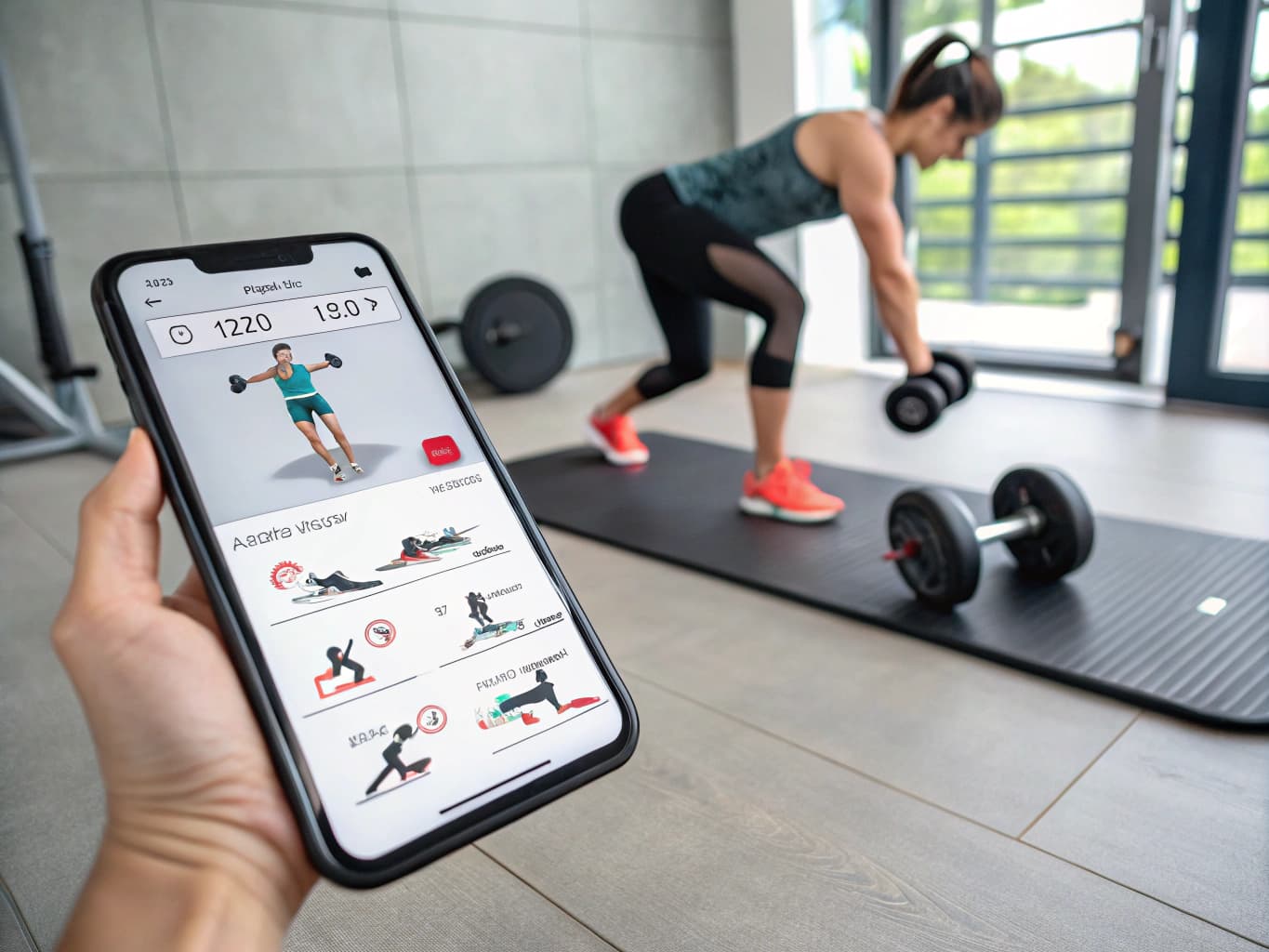
Artificial intelligence (AI) in fitness refers to the use of AI technologies to create personalized workout plans, analyze performance metrics, and enhance training efficiency. AI-powered systems leverage machine learning, computer vision, and natural language processing to tailor exercise routines based on individual goals, fitness levels, and biomechanical data.
#Infobox
#Overview
AI in fitness represents a convergence of technology and human performance, enabling data-driven personalization at scale. Unlike traditional fitness programs that rely on generalized advice, AI systems analyze user inputs—such as age, weight, fitness history, and goals—to generate customized workout regimens. These systems often integrate with wearable devices, smartphone apps, and smart gym equipment to collect real-time data on heart rate, movement patterns, and recovery metrics.
The primary objective of AI in fitness is to optimize training outcomes while minimizing the risk of injury. By continuously learning from user feedback and performance data, AI algorithms refine recommendations over time, adapting to changes in physical condition, preferences, and external factors like sleep quality or stress levels. This dynamic approach contrasts with static workout plans, offering a more responsive and effective training experience.
#History / Background
The integration of AI into fitness began in the early 2010s, coinciding with the rise of wearable technology and mobile health applications. Early adopters included companies like Fitbit and MyFitnessPal, which used basic algorithms to track activity levels and provide general fitness recommendations. However, these systems lacked the sophistication to deliver truly personalized training.
A significant milestone occurred in 2016 with the introduction of IBM Watson, which demonstrated the potential of AI to analyze vast datasets and generate tailored health insights. Around the same time, startups like Freeletics and Aaptiv began incorporating AI-driven coaching into their platforms, offering users dynamic workout adjustments based on real-time feedback.
The proliferation of smartphones and high-speed internet further accelerated adoption, enabling seamless integration of AI tools into daily fitness routines. By 2020, advancements in computer vision and deep learning allowed AI systems to assess exercise form through video analysis, reducing reliance on in-person trainers for technique correction.
#How It Works
#Data Collection
AI fitness systems rely on multiple data sources to build a comprehensive user profile. These include:
- Biometric Data: Collected via wearables (e.g., smartwatches, heart rate monitors) to track metrics like heart rate variability, oxygen saturation, and caloric expenditure.
- Movement Analysis: Captured through smartphone cameras or motion sensors to evaluate exercise form and identify biomechanical inefficiencies.
- User Input: Self-reported data such as dietary habits, sleep patterns, and perceived exertion levels.
- Environmental Factors: External variables like weather conditions or gym equipment availability that may influence workout planning.
#Algorithm Design
AI models used in fitness typically employ one or more of the following techniques:
- Supervised Learning: Trained on labeled datasets where input-output pairs (e.g., workout routines and corresponding performance outcomes) are used to predict optimal exercises.
- Reinforcement Learning: Systems learn by trial and error, adjusting workout parameters based on user feedback and performance improvements. For example, an AI might increase resistance if a user consistently completes high-intensity intervals without injury.
- Computer Vision: Analyzes video footage to assess exercise form, detecting deviations from proper technique that could lead to injury.
- Natural Language Processing (NLP): Enables conversational AI coaches to interpret voice commands or text inputs, providing real-time feedback during workouts.
#Personalization Engine
The core of an AI fitness system is its personalization engine, which synthesizes collected data to generate tailored recommendations. This process involves:
- Goal Alignment: Matching user objectives (e.g., muscle gain, fat loss, endurance improvement) with scientifically validated training protocols.
- Progressive Overload: Gradually increasing workout intensity based on performance trends, ensuring continuous adaptation without overtraining.
- Injury Prevention: Identifying risk factors (e.g., muscle imbalances, joint stress) and modifying exercises to mitigate harm.
- Recovery Optimization: Recommending rest periods, sleep durations, and nutritional strategies to enhance recovery between sessions.
#Integration with Hardware
AI fitness systems often collaborate with physical hardware to enhance functionality:
- Smart Gym Equipment: Devices like Peloton bikes or Tonal smart mirrors use AI to adjust resistance, provide real-time coaching, and track performance metrics.
- Wearable Sensors: Trackers like Whoop or Garmin bands feed data into AI systems to refine workout recommendations.
- Virtual Reality (VR): Platforms like Supernatural combine VR with AI to create immersive, gamified workout experiences.
#Important Facts
- Accuracy: AI-driven fitness systems can achieve up to 90% accuracy in predicting optimal workout routines based on user data, according to studies published in Journal of Sports Sciences.
- Accessibility: AI tools democratize access to personalized training, reducing the need for expensive in-person coaching. Platforms like Freeletics offer AI-generated plans for as little as $30/month.
- Injury Reduction: A 2022 study in Sports Medicine found that AI-assisted form correction reduced injury rates by 35% compared to traditional training methods.
- Energy Efficiency: AI systems can reduce gym energy consumption by up to 20% by optimizing equipment usage based on real-time demand, as reported by the International Energy Agency.
- Global Reach: The AI fitness market is projected to grow from $2.1 billion in 2023 to $14.1 billion by 2030, with a compound annual growth rate (CAGR) of 31.2%, according to MarketsandMarkets.
#Related Terms
#FAQ
What does AI And Fitness: Personalized Workouts cover?
Explores how artificial intelligence shapes fitness and personalized workouts, covering practical use cases, benefits, limitations, and risks.
Why is AI And Fitness: Personalized Workouts important?
It helps readers understand key concepts, compare practical use cases, and evaluate how Business & Marketing decisions affect outcomes, risks, and implementation choices.
What should readers verify before applying this topic?
Readers should compare the benefits, limitations, data requirements, and related themes such as Fitnes, Personalized, Workout before using the ideas in real projects.
#References
- AI And Fitness: Personalized Workouts terminology and background research
- AI And Fitness: Personalized Workouts use cases, implementation examples, and limitations
- Business & Marketing best practices, standards, and risk guidance
- Fitnes case studies, benchmarks, and current industry analysis


Comments
No comments yet. Start the discussion with a useful note.