


#Short Answer
Artificial intelligence (AI) in the energy sector refers to the application of machine learning, deep learning, and other AI technologies to optimi...
#Infobox
Artificial intelligence (AI) is transforming the energy sector by optimizing efficiency, reducing costs, and enabling sustainable innovations in renewable energy systems.
#Overview
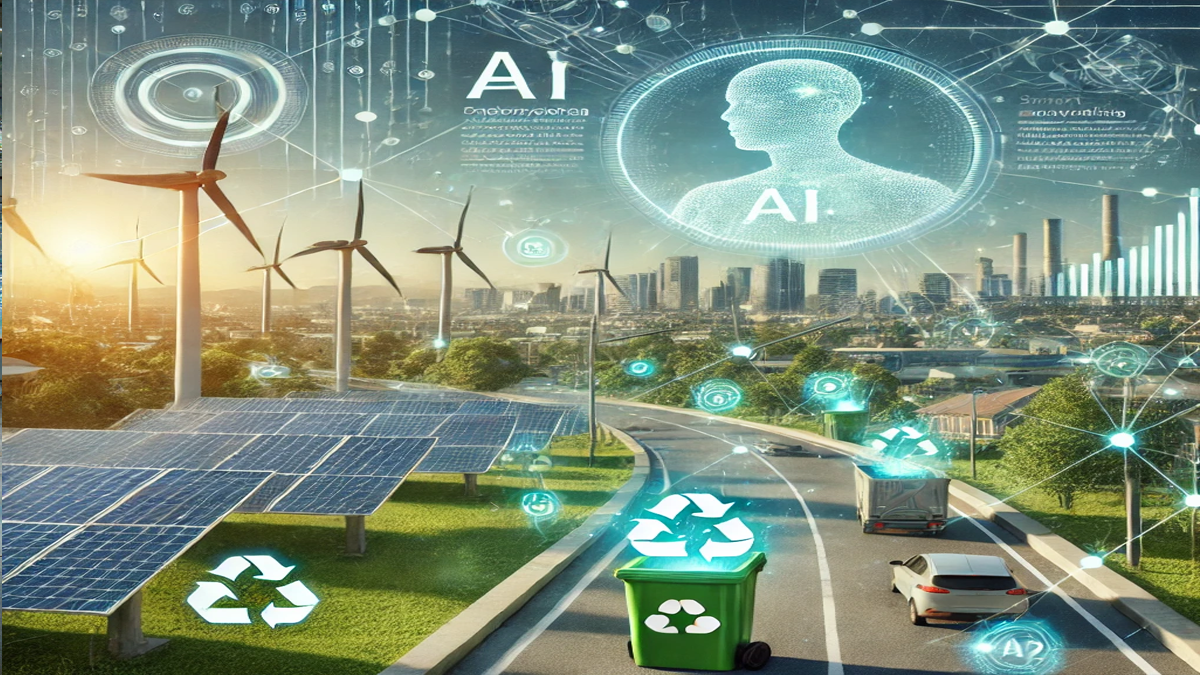
Artificial intelligence (AI) in the energy sector refers to the application of machine learning, deep learning, and other AI technologies to optimize energy production, distribution, and consumption. AI-driven systems enhance the efficiency of traditional energy sources while accelerating the integration of renewable energy into global grids. By leveraging predictive analytics and real-time data processing, AI enables smarter decision-making in energy management, reducing waste and lowering operational costs.
AI applications in energy span across multiple domains, including power generation, transmission, storage, and consumption. These technologies support the transition toward a more sustainable and resilient energy infrastructure, aligning with global climate goals such as the Paris Agreement and the United Nations Sustainable Development Goals (SDGs).
#History / Background
The intersection of AI and energy dates back to the 1980s when early expert systems were used for energy management in industrial settings. However, the real transformation began in the 2010s with advancements in machine learning and the proliferation of IoT devices. The rise of big data analytics allowed energy companies to process vast amounts of information from smart meters, sensors, and weather stations.
In 2014, Google DeepMind demonstrated the potential of AI in energy optimization by reducing data center cooling energy consumption by 40%. This breakthrough highlighted AI’s ability to enhance operational efficiency across industries. Since then, AI has been increasingly adopted in renewable energy forecasting, grid stability management, and predictive maintenance for energy infrastructure.
The global push for decarbonization has further accelerated AI adoption in energy. Governments and corporations are investing heavily in AI-powered solutions to meet net-zero emission targets. Initiatives such as the European Green Deal and the U.S. Inflation Reduction Act include provisions for AI-driven energy innovations.
#How It Works
#Data Collection and Processing
AI systems in energy rely on vast datasets collected from sensors, smart meters, weather stations, and historical energy consumption patterns. These datasets are processed using machine learning algorithms to identify trends, predict demand, and optimize operations. Deep learning models, particularly convolutional neural networks (CNNs) and recurrent neural networks (RNNs), are used for time-series forecasting in renewable energy generation.
#Predictive Maintenance
AI enables predictive maintenance by analyzing equipment performance data to detect anomalies before failures occur. For example, AI can monitor vibrations in wind turbines or temperature fluctuations in power transformers, predicting maintenance needs and preventing costly downtime. This approach reduces unplanned outages and extends the lifespan of energy infrastructure.
#Energy Forecasting
AI models predict energy demand and supply by analyzing historical data, weather patterns, and socioeconomic factors. For renewable energy, AI improves the accuracy of solar and wind power generation forecasts, helping grid operators balance supply and demand. Companies like DeepMind and Siemens have developed AI systems that optimize energy dispatch in real time.
#Smart Grids and Demand Response
AI enhances smart grid functionality by dynamically adjusting energy distribution based on real-time conditions. AI-powered demand response systems incentivize consumers to reduce usage during peak hours, lowering strain on the grid and reducing energy costs. Machine learning algorithms also optimize the charging of electric vehicles (EVs) to align with renewable energy availability.
#Renewable Energy Integration
AI facilitates the integration of intermittent renewable energy sources (e.g., solar and wind) into the grid by predicting generation patterns and optimizing storage solutions. Battery energy storage systems (BESS) use AI to manage charge and discharge cycles, ensuring a stable power supply even when renewable generation fluctuates.
#Important Facts
- AI can reduce energy consumption in data centers by up to 40%, as demonstrated by Google DeepMind.
- The global AI in energy market is projected to reach USD 13.5 billion by 2027, growing at a CAGR of 25.4%.
- AI-driven predictive maintenance can reduce maintenance costs by 25-35% and downtime by up to 70%.
- Renewable energy forecasting accuracy has improved by 20-30% with AI, enhancing grid stability.
- The integration of AI with IoT devices enables real-time energy monitoring and control.
- AI can optimize the placement of wind turbines and solar panels to maximize energy output.
- Blockchain combined with AI enhances energy trading and peer-to-peer (P2P) energy markets.
- AI reduces carbon emissions by improving energy efficiency and accelerating renewable adoption.
#Related Terms
#FAQ
What does AI And Energy: Sustainable Innovations cover?
Explores how artificial intelligence shapes energy and sustainable innovations, covering practical use cases, benefits, limitations, and risks.
Why is AI And Energy: Sustainable Innovations important?
It helps readers understand key concepts, compare practical use cases, and evaluate how Climate & Society decisions affect outcomes, risks, and implementation choices.
What should readers verify before applying this topic?
Readers should compare the benefits, limitations, data requirements, and related themes such as Energy, Sustainable, Innovation before using the ideas in real projects.
#References
- AI And Energy: Sustainable Innovations terminology and background research
- AI And Energy: Sustainable Innovations use cases, implementation examples, and limitations
- Climate & Society best practices, standards, and risk guidance
- Energy case studies, benchmarks, and current industry analysis

Comments
No comments yet. Start the discussion with a useful note.