

#Short Answer
Explains What Is Azure Machine Learning, including the core definition, how it works, practical examples, and limitations.
#Infobox
#Overview
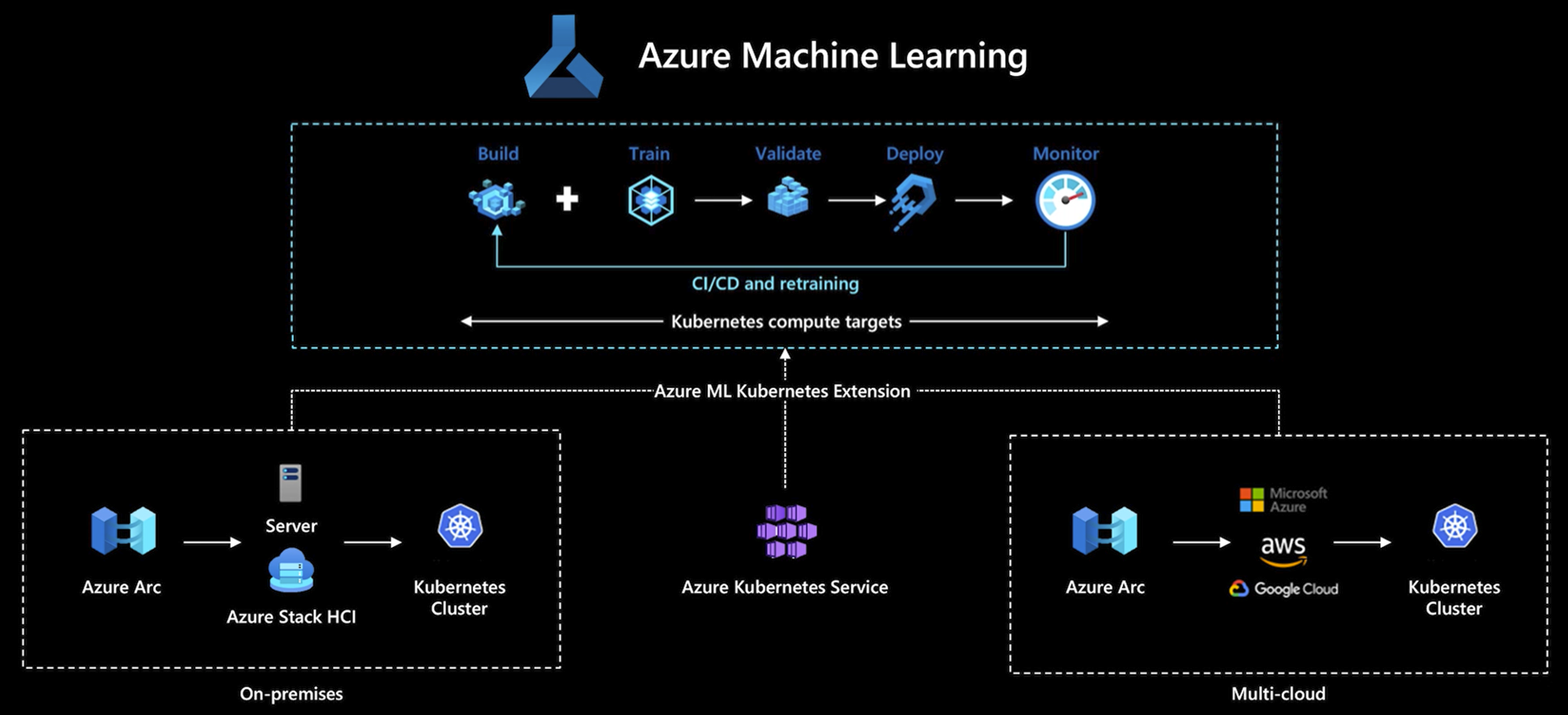
Azure Machine Learning (Azure ML) is a comprehensive suite of tools and services designed to simplify the machine learning lifecycle. It provides an end-to-end platform for data scientists, developers, and engineers to create, optimize, and deploy machine learning models at scale. Azure ML supports automated machine learning (AutoML), which allows users to generate high-quality models with minimal manual intervention. Additionally, it integrates seamlessly with other Azure services, such as Azure Databricks, Azure Data Factory, and Azure Kubernetes Service (AKS), enabling efficient data processing and deployment workflows. The platform is particularly beneficial for organizations looking to leverage machine learning without extensive infrastructure management. By leveraging cloud computing, Azure ML reduces the need for on-premises hardware, offering scalability, cost-efficiency, and collaboration features. It is widely used in industries such as healthcare, finance, retail, and manufacturing for applications like predictive analytics, fraud detection, and customer segmentation.
#History / Background
Azure Machine Learning was officially launched by Microsoft in February 2015 as part of its broader cloud computing initiative, Microsoft Azure. The platform evolved from earlier machine learning tools and services, including Azure Machine Learning Studio, which provided a drag-and-drop interface for building models. Over the years, Microsoft has expanded Azure ML to include advanced features such as Azure Machine Learning Service (now part of Azure ML), which introduced support for Python and R, as well as integration with popular frameworks like TensorFlow, PyTorch, and scikit-learn. Key milestones in the development of Azure Machine Learning include:
- 2015: Launch of Azure Machine Learning Studio, enabling no-code/low-code model development.
- 2018: Introduction of Azure Machine Learning Service, offering a more flexible and scalable approach to model training and deployment.
- 2020: Integration of Automated Machine Learning (AutoML), allowing users to automate model selection and hyperparameter tuning.
- 2021: Release of Azure Machine Learning Designer, a visual interface for building and deploying models without writing code.
- 2023: Enhancements in responsible AI features, including bias detection and explainability tools. Azure ML has grown significantly in popularity due to its enterprise-grade capabilities and alignment with Microsoft’s broader cloud ecosystem.
#How It Works
Azure Machine Learning operates on a cloud-based architecture, enabling users to perform machine learning tasks without managing underlying infrastructure. The platform follows a modular approach, consisting of several key components:
#
- Data Preparation Azure ML supports data ingestion from various sources, including Azure Blob Storage, Azure Data Lake, SQL databases, and third-party services. Users can preprocess data using Azure Data Factory or Azure Databricks before feeding it into machine learning pipelines.
#
- Model Development Azure ML offers multiple ways to develop models:
- Automated Machine Learning (AutoML): Automatically trains and tunes models based on provided datasets, selecting the best-performing algorithm.
- Custom Code (Python/R): Users can write their own scripts using popular libraries like TensorFlow, PyTorch, or scikit-learn.
- Azure Machine Learning Designer: A drag-and-drop interface for building workflows without coding.
#
- Training and Optimization Models can be trained using Azure ML Compute, which provides scalable compute resources, including CPUs and GPUs. The platform supports distributed training for large datasets and hyperparameter tuning via HyperDrive.
#
- Deployment Once trained, models can be deployed as:
- Real-time endpoints: For low-latency predictions via REST APIs.
- Batch endpoints: For processing large datasets in bulk.
- Azure Kubernetes Service (AKS): For scalable, containerized deployments.
#
- Monitoring and Management Azure ML includes tools for model monitoring, performance tracking, and bias detection to ensure models remain accurate and ethical over time. Users can also set up data drift detection to identify changes in input data distributions.
#Important Facts
- Multi-Framework Support: Azure ML supports popular machine learning frameworks, including TensorFlow, PyTorch, scikit-learn, and XGBoost.
- Hybrid and Multi-Cloud Capabilities: Users can deploy models on-premises, in the cloud, or across hybrid environments.
- Responsible AI: Azure ML includes tools for fairness assessment, explainability, and privacy protection.
- Cost Optimization: The platform offers spot instances for training jobs, reducing costs for non-critical workloads.
- Integration with Azure Synapse Analytics: Enables seamless data engineering and machine learning workflows.
- Support for ONNX Models: Allows interoperability with other AI frameworks and hardware accelerators.
#Timeline
- Foundational ideas
Core concepts and early methods shape What Is Azure Machine Learning?.
- Practical use
Tools, examples, and real-world deployments make the topic easier to evaluate.
- Responsible implementation
Current work focuses on reliability, governance, performance, and measurable impact.
#Related Terms
#FAQ
What does What Is Azure Machine Learning? cover?
Explains What Is Azure Machine Learning, including the core definition, how it works, practical examples, and limitations.
Why is What Is Azure Machine Learning? important?
It helps readers understand key concepts, compare practical use cases, and evaluate how Machine Learning decisions affect outcomes, risks, and implementation choices.
What should readers verify before applying this topic?
Readers should compare benefits, limitations, data requirements, and related themes such as Azure, Machine, Learning before using the ideas in real projects.
#References
- What Is Azure Machine Learning? terminology and background research
- What Is Azure Machine Learning? use cases, implementation examples, and limitations
- Machine Learning best practices, standards, and risk guidance
- Azure case studies, benchmarks, and current industry analysis

Comments
No comments yet. Start the discussion with a useful note.