

#Short Answer
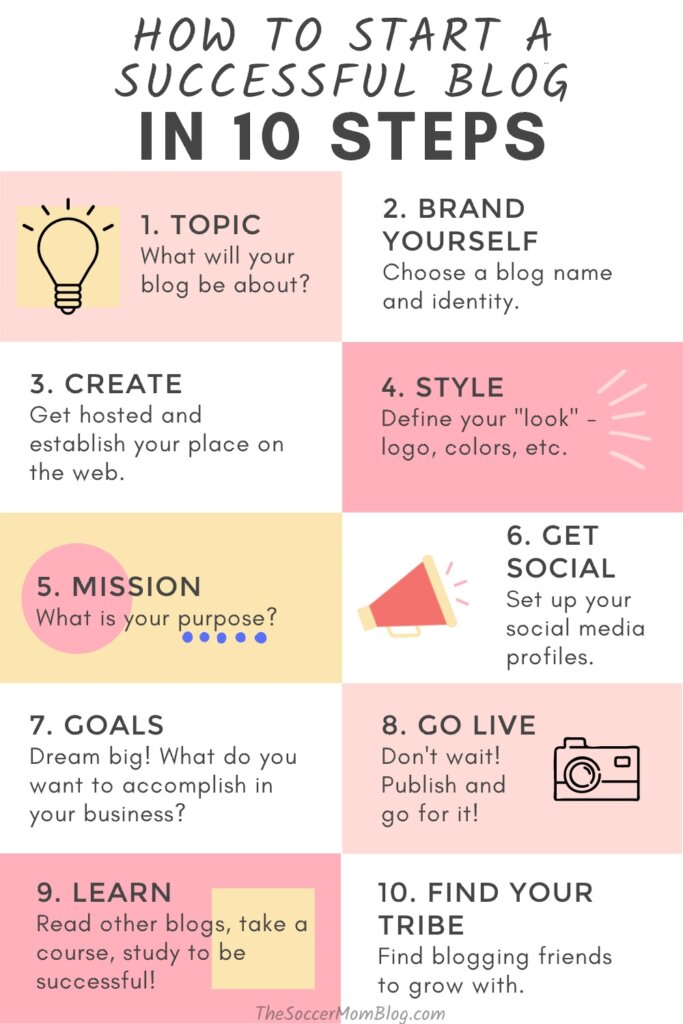
Starting a blog involves selecting a niche, choosing a blogging platform, registering a domain name, setting up hosting, designing the blog, creating content, and promoting it through SEO and social media. Most blogs are built using content management systems like WordPress, which powers over 40% of all websites globally.
#Infobox
#Overview
A blog is a regularly updated website or web page, typically run by an individual or small group, written in an informal or conversational style. Blogs serve multiple purposes, including personal expression, business marketing, news dissemination, and educational content delivery. The term "blog" is a portmanteau of "web log," reflecting its origins as an online diary where individuals documented their daily lives.
Modern blogs have evolved into sophisticated platforms that support multimedia content, interactive features, and e-commerce integrations. They are integral to digital marketing strategies, with businesses leveraging blogs to improve search engine rankings, establish authority in niche markets, and engage with target audiences. The accessibility of blogging tools has democratized content creation, allowing anyone with internet access to publish ideas globally.
#History / Background
#Origins
The concept of online journals dates back to the early 1990s, with the first known "weblog" created by Tim Berners-Lee in 1992, documenting the development of the World Wide Web. However, the term "weblog" was coined by Jorn Barger in December 1997. The following year, Bruce Ableson launched Open Diary, one of the first blogging communities, which introduced features like reader comments.
#Rise of Platforms
In 1999, Blogger, a free blogging service by Pyra Labs, was launched, making blogging accessible to non-technical users. This was followed by the release of WordPress in 2003, which revolutionized the industry by offering open-source software with extensive customization options. WordPress's dominance grew as it provided themes, plugins, and a user-friendly interface, reducing the need for coding knowledge.
#Commercialization and Monetization
By the mid-2000s, blogging transitioned from a hobbyist activity to a professional pursuit. Companies began incorporating blogs into their marketing strategies, while individuals monetized their blogs through advertising networks like Google AdSense. The rise of social media further amplified blog reach, enabling cross-platform content sharing and audience growth.
#How It Works
#Technical Foundation
A blog operates on a content management system (CMS), which allows users to create, edit, and publish content without direct coding. WordPress, the most widely used CMS, powers over 40% of all websites, including blogs. Other popular platforms include Blogger, Medium, Wix, and Squarespace.
The core components of a blog include:
- Domain Name: The web address (e.g., example.com) that visitors use to access the blog.
- Web Hosting: A service that stores the blog's files and makes them accessible online. Hosting providers like Bluehost, SiteGround, and Hostinger offer specialized plans for bloggers.
- Theme/Template: The visual design of the blog, which can be customized using pre-built themes or custom-coded designs.
- Plugins/Extensions: Add-ons that enhance functionality, such as SEO tools (Yoast SEO), contact forms (WPForms), and security plugins (Wordfence).
- Content Management: The process of writing, scheduling, and publishing posts, often supported by a visual editor or markdown.
#Content Creation and Publishing
Blog content typically follows a reverse-chronological order, with the most recent posts appearing first. Each post is assigned categories and tags to organize content and improve navigation. High-quality blogs prioritize:
- SEO Optimization: Incorporating keywords, meta descriptions, and internal linking to rank higher in search engine results.
- Engagement Strategies: Encouraging reader interaction through comments, social sharing buttons, and email newsletters.
- Visual Elements: Using images, infographics, and videos to enhance readability and user experience.
#Monetization Models
Successful blogs generate revenue through various methods:
- Advertising: Display ads (e.g., Google AdSense) or direct ad placements from brands.
- Affiliate Marketing: Earning commissions by promoting products or services (e.g., Amazon Associates, ShareASale).
- Sponsored Content: Collaborating with companies to create branded posts or reviews.
- Digital Products: Selling e-books, courses, templates, or memberships.
- Donations and Subscriptions: Using platforms like Patreon or Buy Me a Coffee for reader support.
#Important Facts
- Over 600 million blogs exist worldwide as of 2023.
- WordPress powers 43% of all websites, including 65% of all blogs.
- The average blog post length is 1,416 words, with longer posts (2,000+ words) performing better in search rankings.
- Companies that blog receive 97% more inbound links than those that don’t.
- Blogs with images get 94% more views than those without.
- Keyword Research: Using tools like Google Keyword Planner or Ahrefs to identify high-traffic, low-competition terms.
- On-Page SEO: Optimizing titles, headers, meta descriptions, and URL structures.
- Backlinks: Earning links from reputable websites to boost domain authority.
- Mobile Optimization: Ensuring the blog is responsive and loads quickly on all devices.
- Personal Finance
- Health and Wellness
- Technology and Gadgets
- Food and Recipes
- Travel
- Parenting
- Fashion and Beauty
- Digital Marketing
#Timeline
- Tim Berners-Lee creates the
Tim Berners-Lee creates the first known weblog, documenting the World Wide Web.
- Jorn Barger coins the
Jorn Barger coins the term 'weblog.'
- Open Diary launches, introduci
Open Diary launches, introducing reader comments and community features.
- Blogger (by Pyra Labs)
Blogger (by Pyra Labs) is launched, making blogging accessible to the public.
- WordPress is released, offerin
WordPress is released, offering open-source blogging software.
- AdSense is introduced, enablin
AdSense is introduced, enabling bloggers to monetize through ads.
- Video blogging (vlogging) gain
Video blogging (vlogging) gains popularity with the rise of YouTube.
- Mobile blogging becomes mainst
Mobile blogging becomes mainstream with the proliferation of smartphones.
- Social media platforms like
Social media platforms like Instagram and TikTok influence blog content formats.
- AI tools and automation
AI tools and automation begin transforming content creation and SEO strategies.
#Related Terms
#FAQ
What does How To Start A Blog cover?
Outlines how to start a blog, with practical steps, key decisions, common mistakes, and tips for better results.
Why is How To Start A Blog important?
It helps readers understand key concepts, compare practical use cases, and evaluate how Publishing decisions affect outcomes, risks, and implementation choices.
What should readers verify before applying this topic?
Readers should compare the benefits, limitations, data requirements, and related themes such as Tutorial, Start, Blog before using the ideas in real projects.
#References
- How To Start A Blog terminology and background research
- How To Start A Blog use cases, implementation examples, and limitations
- Publishing best practices, standards, and risk guidance
- Tutorial case studies, benchmarks, and current industry analysis




Comments
No comments yet. Start the discussion with a useful note.