


#Short Answer
Explains how AI works in insurance, covering data, models, workflows, practical examples, and adoption challenges.
#Infobox
Artificial Intelligence in Insurance Field Insurance Subfields Underwriting, Claims Processing, Fraud Detection, Customer Service Key Technologies Machine Learning, Natural Language Processing, Computer Vision, Predictive Analytics Major Applications Risk Assessment, Personalized Policies, Automated Claims Handling Impact Increased Efficiency, Reduced Costs, Enhanced Customer Experience
#Overview
The integration of artificial intelligence into the insurance sector has transformed traditional business models by introducing automation, data-driven insights, and intelligent decision-making. AI technologies allow insurers to analyze vast datasets—including structured and unstructured data—faster and more accurately than humanly possible. This evolution supports key functions such as underwriting, claims management, customer service, and risk modeling. As a result, the industry is shifting from reactive to proactive and preventive approaches, improving both profitability and customer satisfaction.
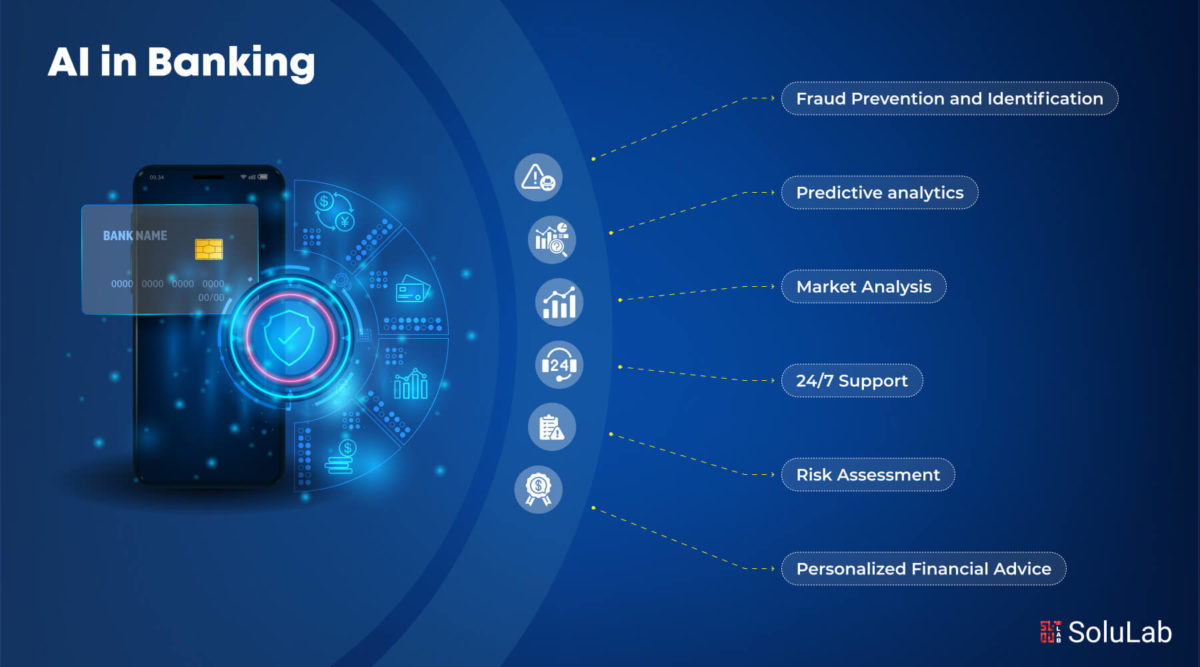
AI in insurance is not limited to large corporations; insurtech startups and traditional insurers alike are adopting these technologies to stay competitive. The use of AI-powered chatbots, robo-advisors, and automated document processing has become commonplace, enabling 24/7 customer support and faster policy issuance. Additionally, AI enhances regulatory compliance by ensuring transparency and consistency in decision-making processes.
#History / Background
The concept of using technology to assist in insurance dates back to the mid-20th century with the introduction of mainframe computers for data processing. However, the modern era of AI in insurance began in the late 1990s and early 2000s with the advent of data mining and early machine learning techniques. These tools allowed insurers to analyze historical claims data and identify patterns that could predict future risks.
The 2010s marked a turning point with the proliferation of big data and cloud computing, which enabled the processing of massive datasets in real time. The rise of insurtech startups in the mid-2010s accelerated adoption, as these companies leveraged AI to disrupt traditional insurance models with on-demand, usage-based, and peer-to-peer insurance offerings.
Regulatory bodies and industry associations began developing frameworks to govern the ethical use of AI in insurance, focusing on fairness, transparency, and data privacy. The COVID-19 pandemic further accelerated digital transformation, pushing insurers to adopt AI-driven remote underwriting and contactless claims processing.
#How It Works
#Risk Assessment and Underwriting
AI enhances underwriting by analyzing a wide range of data sources—including credit scores, social media activity, telematics data from vehicles, and IoT sensor readings—to assess individual risk profiles more accurately. Machine learning models can process thousands of variables simultaneously, identifying subtle correlations that human underwriters might overlook. For example, in auto insurance, AI can analyze driving behavior from telematics devices to adjust premiums dynamically based on real-time risk factors such as speeding or harsh braking.
Natural language processing (NLP) is used to extract relevant information from unstructured data sources like medical records, police reports, or customer applications, converting them into structured data for risk scoring. Predictive models trained on historical claims data help insurers anticipate future losses and set appropriate pricing.
#Claims Processing and Fraud Detection
AI automates claims processing by using computer vision to assess damage from photos or videos submitted by policyholders. For instance, in auto insurance, AI can analyze images of a damaged vehicle and estimate repair costs within minutes, reducing the need for human adjusters. In property insurance, drones equipped with AI can inspect roofs or buildings after a storm, identifying damage and expediting claim settlements.
Fraud detection is another critical application. AI systems analyze claims patterns and detect anomalies that may indicate fraudulent activity. Machine learning models can flag suspicious claims based on inconsistencies in reported damage, timing, or policyholder behavior. For example, if a claim is filed shortly after a policy is purchased, or if multiple claims are submitted for similar incidents, the system can trigger a review process.
#Customer Service and Personalization
AI-powered chatbots and virtual assistants handle routine customer inquiries, such as policy inquiries, premium payments, and claim status updates, 24/7. These systems use NLP to understand and respond to natural language queries, improving response times and reducing operational costs. Advanced systems can even handle complex interactions by integrating with backend systems to provide personalized policy recommendations or troubleshoot issues.
Personalization is enhanced through AI-driven recommendation engines that analyze customer behavior and preferences to suggest tailored insurance products. For example, life insurance providers can use AI to recommend policies based on a customer’s health data, lifestyle, and financial goals, increasing conversion rates and customer satisfaction.
#Regulatory Compliance and Ethics
AI systems in insurance must comply with regulatory requirements such as the General Data Protection Regulation (GDPR) and the Fair Credit Reporting Act (FCRA). This involves ensuring data privacy, transparency in decision-making, and non-discrimination in pricing and underwriting. Explainable AI (XAI) techniques are increasingly used to make AI model decisions interpretable to regulators and customers, addressing concerns about "black box" algorithms.
#Important Facts
- AI can reduce claims processing time by up to 80% by automating damage assessment and fraud detection.
- Machine learning models used in underwriting can analyze over 10,000 data points per applicant to determine risk.
- The global AI in insurance market is projected to reach $45.74 billion by 2027, growing at a CAGR of 32.5%.
- AI-powered chatbots can handle up to 80% of routine customer service inquiries, reducing operational costs by 30%.
- Telematics-based insurance, enabled by AI, allows insurers to offer pay-as-you-drive policies, reducing premiums for safe drivers by up to 40%.
- AI systems can detect insurance fraud with an accuracy rate of up to 95% in some cases, saving the industry billions annually.
- Regulatory frameworks such as the EU’s AI Act and the U.S. National Association of Insurance Commissioners (NAIC) guidelines are shaping the ethical use of AI in insurance.
#Timeline
Year Event 1960s–1980s Early use of mainframe computers for data processing in insurance companies. 1990s Introduction of data mining and statistical models for risk assessment. 2000s Adoption of predictive analytics for claims forecasting and customer segmentation. 2010 Launch of the first AI-powered chatbot for customer service in insurance. 2015 Emergence of insurtech startups leveraging AI for on-demand and peer-to-peer insurance models. 2017 Widespread adoption of telematics and IoT devices for usage-based insurance. 2020 Accelerated adoption of AI-driven remote underwriting and contactless claims processing due to the COVID-19 pandemic. 2022 Introduction of regulatory guidelines for AI ethics and transparency in insurance by bodies like the NAIC and EU. 2023 Development of explainable AI models to improve regulatory compliance and customer trust.
#Related Terms
#FAQ
What does AI In Insurance: How It Works cover?
Explains how AI works in insurance, covering data, models, workflows, practical examples, and adoption challenges.
Why is AI In Insurance: How It Works important?
It helps readers understand key concepts, compare practical use cases, and evaluate how Business & Finance decisions affect outcomes, risks, and implementation choices.
What should readers verify before applying this topic?
Readers should compare the benefits, limitations, data requirements, and related themes such as Insurance, Work, Financial Technology before using the ideas in real projects.
#References
- AI In Insurance: How It Works terminology and background research
- AI In Insurance: How It Works use cases, implementation examples, and limitations
- Business & Finance best practices, standards, and risk guidance
- Insurance case studies, benchmarks, and current industry analysis
.png)
Comments
No comments yet. Start the discussion with a useful note.