

#Short Answer
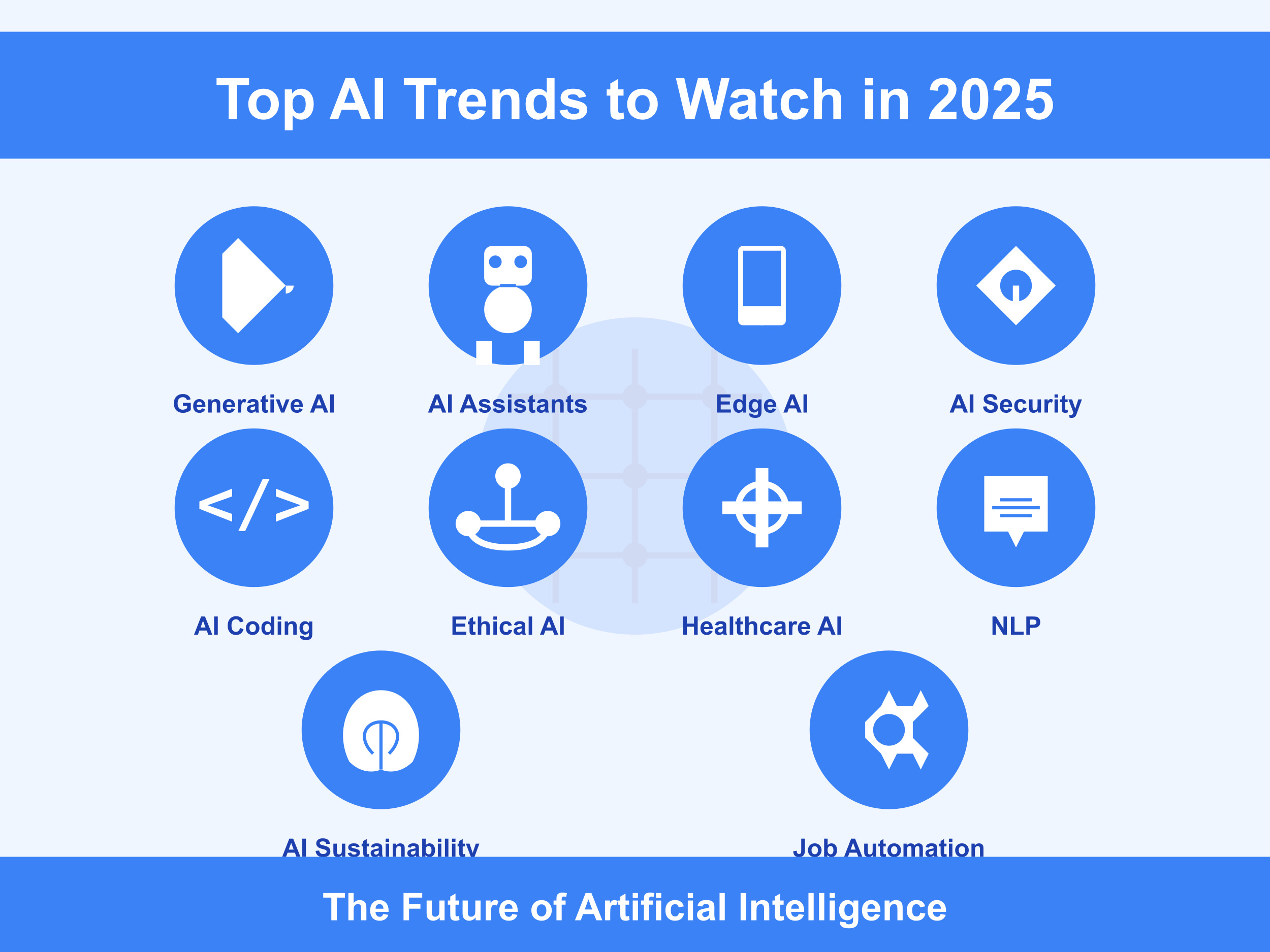
Reviews AI in education in 2026 trends and predictions, focusing on emerging tools, adoption patterns, opportunities, and risks.
#Infobox
Artificial Intelligence in Education (2026) Field Education Focus AI-driven learning, personalized education, adaptive systems Key Trends Generative AI tutors, real-time analytics, immersive VR/AR Major Players Google, Microsoft, Duolingo, Khan Academy, Coursera Impact Improved accessibility, reduced teacher workload, data-driven insights
#Overview
Artificial Intelligence in Education (AIEd) refers to the integration of AI technologies into educational systems to enhance teaching, learning, and administrative processes. By 2026, AIEd has evolved from experimental tools to mainstream solutions adopted globally. The primary goal is to create adaptive, personalized, and efficient learning environments that cater to diverse student needs while supporting educators with data-driven decision-making.
Key areas of AIEd include intelligent tutoring systems (ITS), natural language processing (NLP) for automated feedback, machine learning for predictive analytics, and computer vision for monitoring student engagement. These technologies collectively aim to democratize education, making high-quality learning experiences accessible to students regardless of geographical or socioeconomic barriers.
#History / Background
The concept of AI in education dates back to the 1970s with early intelligent tutoring systems like SCHOLAR, which used AI to simulate human tutoring. However, significant advancements began in the 2010s with the proliferation of big data, cloud computing, and machine learning algorithms. The launch of platforms like Duolingo (2011) and Khan Academy (2008) demonstrated the potential of AI-driven adaptive learning.
By 2020, the COVID-19 pandemic accelerated the adoption of AIEd as remote learning became essential. Companies like Google and Microsoft integrated AI into their educational tools, such as Google Classroom and Microsoft Teams, to support virtual classrooms. The 2020s also saw the rise of generative AI, enabling tools like ChatGPT to assist in content creation, language learning, and personalized study plans.
#How It Works
#Intelligent Tutoring Systems (ITS)
ITS use AI to mimic human tutors by analyzing student responses, identifying misconceptions, and providing tailored feedback. These systems adapt to individual learning paces, offering customized exercises and explanations. For example, ALEKS (Assessment and Learning in Knowledge Spaces) uses machine learning to assess student knowledge and recommend targeted learning paths.
#Adaptive Learning Platforms
Adaptive learning platforms leverage AI to adjust content difficulty in real time based on student performance. Platforms like DreamBox Learning and ScootPad use algorithms to personalize lessons, ensuring students are neither overwhelmed nor under-challenged. This approach improves engagement and retention by aligning content with each student’s proficiency level.
#Natural Language Processing (NLP)
NLP enables AI to understand and generate human language, facilitating applications like automated essay grading, chatbot tutors, and language translation. Tools such as Grammarly and QuillBot use NLP to provide real-time feedback on writing assignments, while chatbots like Woebot offer mental health support to students.
#Predictive Analytics
AI-driven predictive analytics analyze student data (e.g., attendance, grades, engagement metrics) to forecast academic performance and identify at-risk students. Schools use these insights to intervene early, providing additional resources or support to prevent dropout rates. For instance, IBM Watson Education uses predictive models to recommend interventions for struggling students.
#Immersive Technologies
Virtual Reality (VR) and Augmented Reality (AR) are increasingly integrated into AIEd to create interactive learning experiences. VR simulations allow students to explore historical events, conduct virtual science experiments, or practice surgical procedures. AR enhances textbooks by overlaying digital content, such as 3D models or animations, to aid comprehension. Platforms like Labster offer VR-based science labs, while Merge EDU provides AR-enhanced educational content.
#Important Facts
- Personalization: AIEd tailors learning experiences to individual student needs, improving engagement and outcomes.
- Accessibility: AI-powered tools like text-to-speech and speech-to-text make education more inclusive for students with disabilities.
- Efficiency: Automated grading and administrative tasks reduce teacher workload, allowing them to focus on instruction.
- Global Reach: AIEd platforms like Coursera and edX offer courses to millions worldwide, breaking geographical barriers.
- Ethical Concerns: Issues such as data privacy, algorithmic bias, and over-reliance on AI raise ethical debates in educational settings.
- Cost: While AIEd tools can be expensive, open-source platforms and cloud-based solutions are making them more affordable.
#Timeline
Year Event 1970s Early intelligent tutoring systems like SCHOLAR emerge. 2011 Duolingo launches, using AI for language learning. 2016 Google Classroom integrates AI for assignment management. 2020 COVID-19 pandemic accelerates AIEd adoption for remote learning. 2022 Generative AI tools like ChatGPT gain popularity for educational content creation. 2024 VR/AR-based learning platforms become mainstream in K-12 and higher education. 2026 AIEd tools are widely adopted, with predictive analytics and personalized tutoring systems dominating the market.
#Related Terms
#FAQ
What does AI In Education In 2026: Trends And Predictions cover?
Reviews AI in education in 2026 trends and predictions, focusing on emerging tools, adoption patterns, opportunities, and risks.
Why is AI In Education In 2026: Trends And Predictions important?
It helps readers understand key concepts, compare practical use cases, and evaluate how Education & Careers decisions affect outcomes, risks, and implementation choices.
What should readers verify before applying this topic?
Readers should compare the benefits, limitations, data requirements, and related themes such as 2026 Trends, Education, 2026 before using the ideas in real projects.
#References
- AI In Education In 2026: Trends And Predictions terminology and background research
- AI In Education In 2026: Trends And Predictions use cases, implementation examples, and limitations
- Education & Careers best practices, standards, and risk guidance
- 2026 Trends case studies, benchmarks, and current industry analysis



Comments
No comments yet. Start the discussion with a useful note.