

#Short Answer
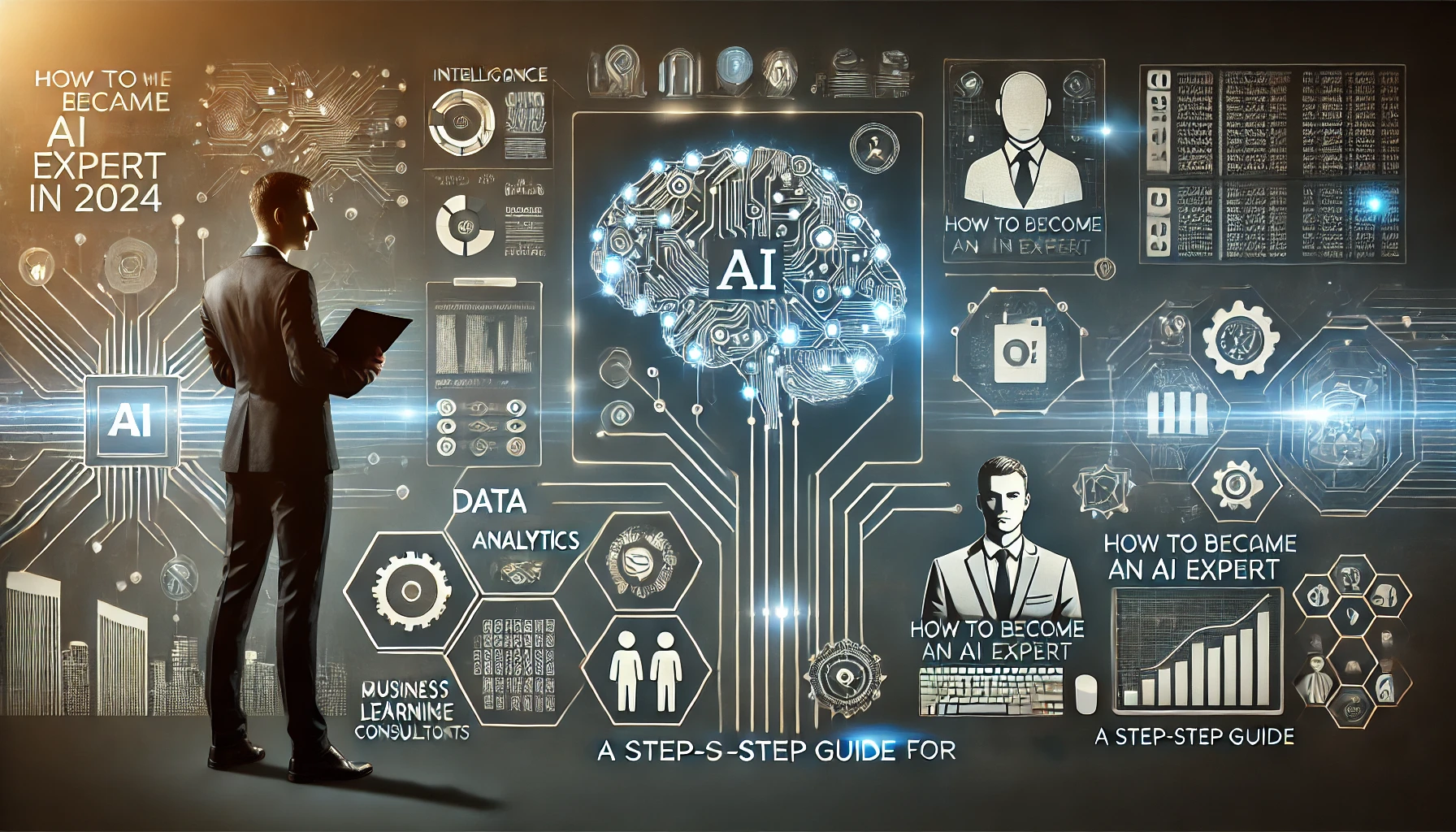
Summarizes expert perspectives on AI in business, highlighting trends, opportunities, risks, and practical lessons.
#Infobox
Artificial Intelligence (AI) in business refers to the application of machine learning, natural language processing, and other AI technologies to enhance decision-making, automate processes, and drive innovation across industries.
Artificial Intelligence in Business Field Business Subfields Machine Learning, Natural Language Processing, Robotic Process Automation, Predictive Analytics Key Technologies Neural Networks, Deep Learning, Computer Vision, Chatbots, AI-driven CRM Applications Customer Service, Supply Chain Optimization, Fraud Detection, Personalized Marketing, Decision Support Systems Impact Increased Efficiency, Cost Reduction, Enhanced Customer Experience, Data-Driven Insights Challenges Data Privacy, Ethical Concerns, Implementation Costs, Skill Gaps, Regulatory Compliance
#Overview
Artificial Intelligence (AI) in business encompasses the integration of AI technologies to streamline operations, improve productivity, and foster innovation. AI systems analyze vast datasets to identify patterns, predict trends, and automate repetitive tasks, enabling organizations to make data-driven decisions. From customer service automation using chatbots to predictive maintenance in manufacturing, AI applications span across various business functions. The adoption of AI in business is driven by the need for competitive advantage, scalability, and agility in an increasingly digital economy. Companies leveraging AI gain insights from unstructured data, optimize supply chains, and enhance customer interactions through personalized experiences.
#History / Background
The concept of AI dates back to the 1950s, but its practical application in business began gaining traction in the late 20th century. Early AI systems were rule-based and limited in scope, primarily used for data processing and simple automation. The advent of machine learning in the 1980s and 1990s introduced algorithms capable of learning from data, paving the way for more sophisticated business applications. The 2000s saw the rise of big data, enabling AI systems to process larger datasets and deliver more accurate predictions. The 2010s marked a turning point with advancements in deep learning, natural language processing, and computer vision, making AI more accessible and impactful for businesses. Today, AI is a cornerstone of digital transformation, with industries like finance, healthcare, retail, and manufacturing adopting AI-driven solutions to enhance efficiency and innovation.
#Early Adoption
In the 1980s and 1990s, businesses began experimenting with expert systems—AI programs designed to mimic human decision-making. These systems were used in sectors like finance for fraud detection and in manufacturing for quality control. However, their adoption was limited due to high computational costs and the complexity of implementing AI models. The lack of scalable infrastructure and data storage solutions further hindered widespread adoption during this period.
#Modern Integration
The proliferation of cloud computing, high-speed internet, and advanced hardware in the 21st century accelerated AI integration into business operations. The rise of big data provided the fuel for AI systems to train on massive datasets, improving their accuracy and predictive capabilities. The development of open-source AI frameworks like TensorFlow and PyTorch democratized access to AI tools, enabling businesses of all sizes to implement AI solutions. Today, AI is embedded in everyday business tools, from customer relationship management (CRM) platforms to enterprise resource planning (ERP) systems.
#How It Works
AI in business operates through a combination of algorithms, data, and computational power. The process typically involves data collection, preprocessing, model training, and deployment. Businesses gather data from various sources, including customer interactions, transaction records, and IoT devices. This data is cleaned, normalized, and structured to remove noise and inconsistencies. Machine learning models are then trained on this data to identify patterns, classify information, or make predictions. Once trained, these models are deployed into business applications, where they automate tasks, provide insights, or assist human decision-makers. The continuous feedback loop ensures that models improve over time through iterative learning.
#Key Technologies
- Machine Learning (ML): Enables systems to learn from data and improve performance without explicit programming. Common ML techniques include supervised learning, unsupervised learning, and reinforcement learning.
- Natural Language Processing (NLP): Allows AI to understand, interpret, and generate human language. Used in chatbots, sentiment analysis, and document summarization.
- Computer Vision: Enables AI to analyze and interpret visual data from images or videos. Applications include quality control in manufacturing, facial recognition, and autonomous vehicles.
- Robotic Process Automation (RPA): Uses software robots to automate repetitive, rule-based tasks such as data entry, invoice processing, and customer onboarding.
- Predictive Analytics: Leverages historical data to forecast future trends, such as demand forecasting, risk assessment, and customer behavior analysis.
#Implementation Strategies
Businesses adopt AI through various strategies, depending on their goals and resources. Common approaches include:
- Incremental Integration: Starting with pilot projects in specific departments to test AI's feasibility before scaling up.
- AI-as-a-Service (AIaaS): Utilizing cloud-based AI platforms like AWS AI, Google Cloud AI, or Microsoft Azure AI to access pre-built models without extensive infrastructure.
- Custom AI Solutions: Developing tailored AI models in-house or with third-party vendors to address unique business challenges.
- Partnerships and Collaborations: Collaborating with AI startups, research institutions, or tech giants to co-develop solutions.
#Important Facts
- Market Growth: The global AI in business market is projected to reach US$1.8 trillion by 2030, growing at a CAGR of 37.3% from 2023 to 2030.
- Adoption Rates: As of 2024, over 77% of businesses have adopted AI in some form, with 35% implementing AI across multiple functions.
- ROI Impact: Companies using AI report an average 30% increase in operational efficiency and a 25% reduction in costs.
- Job Transformation: AI is expected to create 97 million new jobs by 2025 while automating 85 million jobs, according to the World Economic Forum.
- Ethical Concerns: 68% of consumers express concerns about AI's impact on privacy, bias, and job displacement.
- Regulatory Landscape: Governments worldwide are introducing AI-specific regulations, such as the EU AI Act and the U.S. Algorithmic Accountability Act, to ensure ethical and transparent AI use.
#Timeline
Year Milestone 1950 Alan Turing proposes the Turing Test, laying the foundation for AI. 1956 The term "Artificial Intelligence" is coined at the Dartmouth Conference. 1980s Expert systems gain popularity in business for decision support. 1997 IBM's Deep Blue defeats world chess champion Garry Kasparov. 2006 Geoffrey Hinton introduces deep learning techniques, revolutionizing AI. 2011 IBM Watson wins Jeopardy!, showcasing AI's natural language capabilities. 2016 Google's AlphaGo defeats a world champion Go player, demonstrating AI's advanced reasoning. 2018 GDPR comes into effect, setting global standards for AI and data privacy. 2020 AI adoption surges during the COVID-19 pandemic, particularly in healthcare and remote work tools. 2023 Generative AI tools like DALL·E and ChatGPT gain mainstream adoption, transforming content creation and customer service. 2024 Global AI market exceeds US$200 billion, with businesses integrating AI into core operations.
#Applications in Business
#Customer Service and Experience
AI-powered chatbots and virtual assistants, such as Amazon Alexa and Apple Siri, handle customer inquiries 24/7, reducing response times and operational costs. Sentiment analysis tools gauge customer emotions from reviews and social media, enabling businesses to tailor their strategies. Personalization engines recommend products based on user behavior, increasing conversion rates and customer loyalty.
#Supply Chain and Logistics
AI optimizes supply chain operations by predicting demand, managing inventory, and identifying potential disruptions. Machine learning models analyze historical data to forecast stock levels, while computer vision inspects products for defects. Autonomous vehicles and drones powered by AI streamline last-mile delivery, reducing costs and improving efficiency. Companies like Amazon and Walmart leverage AI to enhance their logistics networks.
#Marketing and Sales
AI transforms marketing through hyper-personalization, where algorithms analyze customer data to deliver targeted advertisements and content. Predictive analytics identifies high-value leads, while AI-driven CRM systems like Salesforce Einstein automate follow-ups and sales forecasting. Programmatic advertising uses AI to buy ad space in real-time, maximizing ROI. Additionally, AI-powered tools generate dynamic pricing strategies based on market trends and competitor analysis.
#Finance and Risk Management
In finance, AI detects fraudulent transactions by analyzing patterns in real-time, reducing financial losses. Algorithmic trading uses AI to execute trades at optimal times, leveraging market data and historical trends. Credit scoring models assess borrower risk more accurately than traditional methods. AI also enhances compliance by monitoring transactions for suspicious activities, ensuring adherence to regulations like AML and KYC.
#Human Resources
AI streamlines recruitment by screening resumes, conducting initial interviews via chatbots, and matching candidates to job openings. Tools like HireVue analyze facial expressions and tone during video interviews to assess candidate fit. AI-driven performance analytics track employee productivity and engagement, helping HR departments optimize workforce management. Additionally, AI-powered learning platforms personalize training programs to upskill employees.
#Manufacturing and Quality Control
AI enhances manufacturing through predictive maintenance, where sensors and AI models predict equipment failures before they occur, minimizing downtime. Computer vision systems inspect products for defects, ensuring consistent quality. Robots equipped with AI handle repetitive tasks, improving precision and safety. Companies like Tesla and Siemens integrate AI into their smart factories to achieve Industry 4.0 standards.
#Challenges and Limitations
#Data Privacy and Security
AI systems rely on vast amounts of data, raising concerns about privacy and security. Businesses must comply with regulations like GDPR and CCPA, which mandate strict data handling practices. Data breaches can expose sensitive information, leading to legal repercussions and reputational damage. Implementing robust encryption, anonymization techniques, and access controls is essential to mitigate these risks.
#Ethical Considerations
AI algorithms can perpetuate biases present in training data, leading to discriminatory outcomes in hiring, lending, and law enforcement. Transparency and accountability are critical to ensure fair AI deployment. Businesses must adopt ethical AI frameworks, conduct bias audits, and involve diverse stakeholders in AI development to mitigate ethical risks.
#Implementation Costs
Developing and deploying AI solutions requires significant investment in infrastructure, talent, and ongoing maintenance. Small and medium-sized enterprises (SMEs) may struggle with the high upfront costs of AI adoption. However, cloud-based AI services and open-source tools have lowered barriers to entry, enabling businesses to experiment with AI without heavy capital expenditure.
#Skill Gaps
The demand for AI expertise outpaces the supply of skilled professionals. Businesses face challenges in recruiting data scientists, AI engineers, and machine learning specialists. Upskilling existing employees through training programs and partnerships with educational institutions can help bridge this gap. Additionally, certifications in AI and data science, such as those offered by Coursera and edX, provide accessible pathways to acquire relevant skills.
#Future Trends
#Generative AI
Generative AI, which creates new content such as text, images, and music, is poised to revolutionize industries like marketing, entertainment, and software development. Tools like DALL·E and Stable Diffusion enable businesses to generate high-quality visuals for campaigns, while large language models like ChatGPT automate content creation and customer interactions.
#AI and IoT Integration
The convergence of AI and the Internet of Things (IoT) is creating smarter, more connected ecosystems. AI processes data from IoT devices to optimize energy consumption, predict maintenance needs, and enhance user experiences. Smart cities, autonomous vehicles, and industrial IoT (IIoT) are prime examples of this integration, driving efficiency and sustainability.
#Explainable AI
As AI systems become more complex, the need for transparency grows. Explainable AI (XAI) focuses on making AI decisions interpretable to humans, ensuring trust and compliance. Techniques like LIME (Local Interpretable Model-agnostic Explanations) and SHAP (SHapley Additive exPlanations) help businesses understand how AI models arrive at their conclusions.
#Edge AI
Edge AI involves processing data locally on devices rather than relying on cloud servers, reducing latency and improving real-time decision-making. This trend is critical for applications like autonomous vehicles, industrial robots, and augmented reality (AR), where speed and reliability are paramount.
#Related Terms
#FAQ
What does AI In Business: Expert Insights cover?
Summarizes expert perspectives on AI in business, highlighting trends, opportunities, risks, and practical lessons.
Why is AI In Business: Expert Insights important?
It helps readers understand key concepts, compare practical use cases, and evaluate how Business & Marketing decisions affect outcomes, risks, and implementation choices.
What should readers verify before applying this topic?
Readers should compare the benefits, limitations, data requirements, and related themes such as Busines, Insight, Business Strategy before using the ideas in real projects.
#References
- AI In Business: Expert Insights terminology and background research
- AI In Business: Expert Insights use cases, implementation examples, and limitations
- Business & Marketing best practices, standards, and risk guidance
- Busines case studies, benchmarks, and current industry analysis


Comments
No comments yet. Start the discussion with a useful note.