

#Short Answer
Explores how artificial intelligence shapes localization and tailoring to regions, covering practical use cases, benefits, limitations, and risks.
#Infobox
Localization and AI Field Artificial intelligence Subfield Natural language processing, Machine translation, Cultural adaptation Key technologies Neural networks, Large language models, Translation APIs, Sentiment analysis Applications E-commerce, Customer support, Marketing, Software localization Notable figures Geoffrey Hinton, Yoshua Bengio, Yann LeCun
#Overview
Localization is a critical component of globalizing AI technologies. While artificial intelligence excels at processing large datasets and performing complex tasks, it often lacks the nuanced understanding required to communicate effectively across different cultures and languages. Localization bridges this gap by integrating linguistic, cultural, and contextual adaptations into AI systems.
In the context of AI, localization involves several key processes: language translation, cultural adaptation, legal and regulatory compliance, and user interface adjustments. These processes ensure that AI-powered tools—such as virtual assistants, automated customer service systems, and content generation platforms—deliver messages that resonate with local audiences rather than appearing generic or culturally insensitive.
#AI and Localization in Bulk SMS
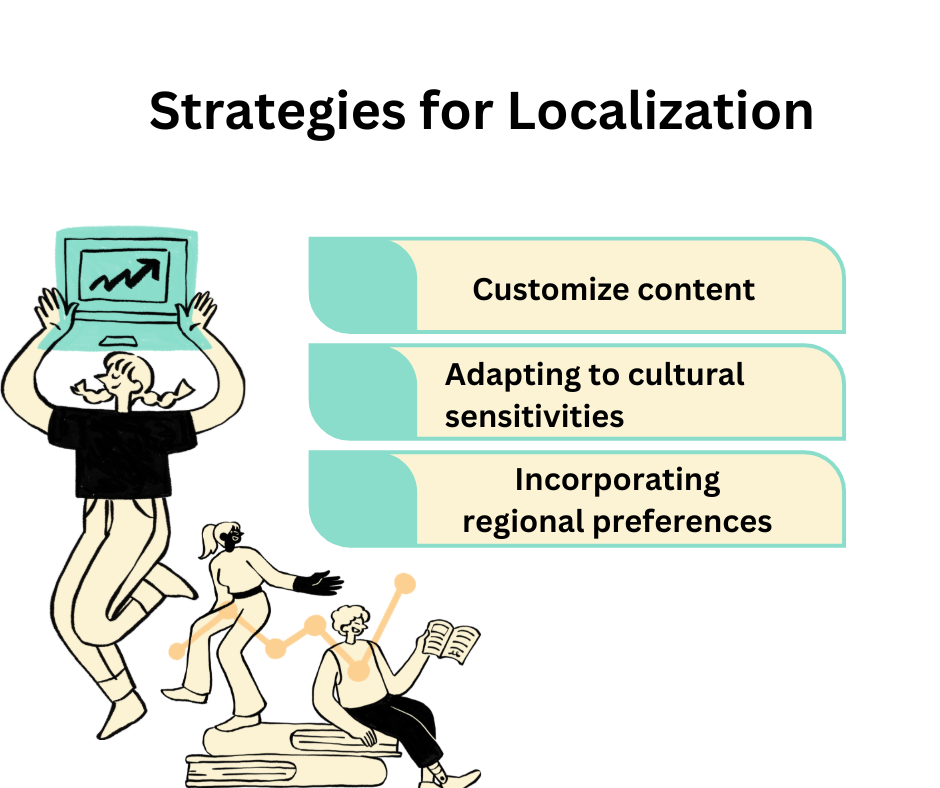
One practical application of AI-driven localization is in bulk SMS marketing. Businesses use AI to tailor promotional messages to specific regions by analyzing language preferences, cultural sensitivities, and local dialects. For example, a campaign targeting Spanish-speaking users in Mexico will differ from one aimed at Spanish speakers in Spain, not only in language but also in tone, idioms, and cultural references.
AI systems can automate this process by using natural language generation (NLG) to create region-specific content. They can also employ sentiment analysis to ensure that messages evoke the intended emotional response. Additionally, AI-powered translation tools can dynamically adjust SMS content in real time based on the recipient's location and language settings.
#History / Background
The concept of localization predates AI, originating in the software and gaming industries during the late 20th century. Early efforts focused on translating software interfaces and manuals into multiple languages to expand market reach. However, these translations were often literal and failed to account for cultural differences, leading to misunderstandings or offense.
With the advent of the internet and globalization, the demand for localized digital content surged. By the 2010s, advances in machine learning and natural language processing enabled more sophisticated localization techniques. AI models, particularly those based on deep learning, began to incorporate contextual understanding, allowing for more accurate and culturally aware translations.
Major tech companies like Google, Microsoft, and Amazon invested heavily in AI-driven localization tools, integrating them into cloud services and enterprise solutions. The rise of neural machine translation (NMT) in the mid-2010s marked a turning point, significantly improving the quality of automated translations and reducing the need for human post-editing.
#How It Works
AI-based localization relies on a combination of machine learning models, linguistic databases, and cultural knowledge bases. The process typically involves several stages:
#1. Language Identification and Analysis
AI systems first identify the target language and dialect using language detection algorithms. This step is crucial because languages like Spanish, Chinese, and Arabic have multiple regional variants. For instance, the Spanish spoken in Mexico differs significantly from that in Spain in vocabulary, grammar, and pronunciation.
#2. Translation and Natural Language Generation
Once the language is identified, AI models translate the source text into the target language. Modern systems use neural machine translation (NMT), which leverages deep neural networks to produce more fluent and contextually appropriate translations than traditional statistical methods.
Natural language generation (NLG) models can also create original content tailored to specific regions. For example, an AI can generate marketing slogans that incorporate local idioms or references to regional events, making the message more engaging and relatable.
#3. Cultural Adaptation
Cultural adaptation goes beyond translation. AI systems analyze cultural norms, taboos, and preferences to ensure that content is appropriate for the target audience. This includes adjusting humor, metaphors, color schemes, and even imagery to align with local customs.
For instance, a color that symbolizes luck in one culture might be associated with mourning in another. AI tools can flag such discrepancies and suggest alternatives to avoid cultural missteps.
#4. Legal and Regulatory Compliance
Different regions have varying laws regarding data privacy, advertising, and content restrictions. AI localization systems must incorporate compliance checks to ensure that messages adhere to local regulations, such as the General Data Protection Regulation (GDPR) in Europe or the Telephone Consumer Protection Act (TCPA) in the United States.
#5. User Interface and Experience Optimization
Localization also involves adapting the user interface (UI) of AI applications. This includes translating buttons, menus, and error messages, as well as adjusting date formats, currency symbols, and measurement units to match regional standards. For example, a user in the United States might expect temperatures in Fahrenheit, while a user in Europe would prefer Celsius.
#Important Facts
- AI localization reduces costs: Automating the localization process with AI significantly cuts down on the time and expense associated with manual translation and cultural adaptation.
- Context is key: AI models trained on large datasets can better understand context, leading to more accurate and natural translations.
- Cultural sensitivity matters: A mistranslation or culturally inappropriate message can damage a brand's reputation. AI tools help mitigate this risk by incorporating cultural knowledge bases.
- Real-time localization is possible: AI enables dynamic content adaptation, allowing businesses to tailor messages in real time based on user location and preferences.
- Localization improves engagement: Content that resonates with local audiences is more likely to be read, shared, and acted upon, leading to higher conversion rates.
#Timeline
Year Event 1980s Early software localization efforts begin, focusing on translating interfaces and manuals. 1990s Machine translation systems like Systran gain traction, but accuracy remains limited. 2000s Growth of the internet drives demand for localized digital content; companies like Google and Microsoft expand translation services. 2010s Neural machine translation (NMT) emerges, significantly improving translation quality. AI-driven localization tools become more accessible to businesses. 2016 Google introduces Neural Machine Translation, reducing errors in translation by up to 60%. 2018 GDPR comes into effect, prompting AI systems to incorporate data privacy compliance into localization processes. 2020s AI models like GPT-3 and subsequent versions enable more sophisticated natural language generation and cultural adaptation. Localization becomes a standard feature in AI-powered marketing and customer service tools.
#Related Terms
#FAQ
What does AI And Localization: Tailoring To Regions cover?
Explores how artificial intelligence shapes localization and tailoring to regions, covering practical use cases, benefits, limitations, and risks.
Why is AI And Localization: Tailoring To Regions important?
It helps readers understand key concepts, compare practical use cases, and evaluate how Artificial Intelligence decisions affect outcomes, risks, and implementation choices.
What should readers verify before applying this topic?
Readers should compare the benefits, limitations, data requirements, and related themes such as Localization, Tailoring, Region before using the ideas in real projects.
#References
- AI And Localization: Tailoring To Regions terminology and background research
- AI And Localization: Tailoring To Regions use cases, implementation examples, and limitations
- Artificial Intelligence best practices, standards, and risk guidance
- Localization case studies, benchmarks, and current industry analysis



Comments
No comments yet. Start the discussion with a useful note.