


#Short Answer
Explores how artificial intelligence shapes influencers and content creation, covering practical use cases, benefits, limitations, and risks.
#Infobox
AI tools are revolutionizing content creation for influencers by automating tasks, enhancing creativity, and optimizing engagement.
AI in Influencer Content Creation Field Artificial intelligence Key Tools AI image generators, video editors, chatbots, analytics platforms Primary Users Influencers, content creators, digital marketers Impact Increased efficiency, personalized content, higher engagement First Introduced Mid-2010s Notable Developers OpenAI, MidJourney, Adobe, Canva, Synthesia
#Overview
AI tools for influencers refer to artificial intelligence-powered software and platforms designed to streamline, enhance, and personalize content creation processes. These tools leverage machine learning, natural language processing, and computer vision to automate repetitive tasks, generate creative assets, and optimize content for maximum engagement across social media platforms. From AI-generated images and videos to chatbots that handle audience interactions, these technologies are transforming how influencers produce, distribute, and monetize content.
Influencers, defined as individuals who have built a dedicated following on social media platforms, rely heavily on high-quality, consistent, and engaging content to maintain relevance and grow their audience. AI tools address key challenges such as time constraints, creative blocks, and the need for data-driven decision-making. By integrating AI into their workflows, influencers can focus more on strategy and audience connection while offloading technical and repetitive tasks to intelligent systems.
#History / Background
The integration of AI into influencer content creation began in the mid-2010s, coinciding with the rise of deep learning and the proliferation of social media platforms. Early applications included automated photo editing tools and basic chatbots for customer service. As AI technology advanced, so did its applications in content creation.
In 2015, Adobe launched Sensei, an AI framework designed to enhance creative workflows with features like auto-tagging and content-aware fill. Around the same time, tools like Canva introduced AI-powered design suggestions, making graphic creation more accessible. The breakthrough came in 2020 with the release of OpenAI’s GPT-3, which enabled influencers to generate written content, captions, and even scripts with minimal input.
The launch of DALL·E in 2021 by OpenAI and MidJourney’s public beta in 2022 revolutionized visual content creation. Influencers could now generate high-quality images and illustrations from text prompts, reducing the need for expensive photoshoots or stock imagery. Video generation tools like Synthesia, which creates AI-generated videos from text, further expanded the possibilities for video content creators.
By 2023, AI tools had become mainstream in the influencer ecosystem, with platforms like TikTok and Instagram integrating AI features such as auto-captioning, background removal, and real-time editing. The COVID-19 pandemic accelerated this trend, as influencers sought ways to produce content remotely and efficiently.
#How It Works
#AI Image and Video Generation
AI image generators like DALL·E, MidJourney, and Stable Diffusion use generative adversarial networks (GANs) to create images from text descriptions. These models are trained on vast datasets of images and their corresponding captions, allowing them to generate new, unique visuals based on user prompts. For influencers, this means the ability to produce custom graphics, thumbnails, and even memes without relying on designers or photographers.
Video generation tools such as Synthesia and Pictory use AI to convert text scripts into realistic videos featuring AI avatars. These avatars can be customized to match the influencer’s branding, and the tool handles lip-syncing and voiceovers. This is particularly useful for influencers who create tutorial videos, product reviews, or storytelling content.
#Natural Language Processing for Content
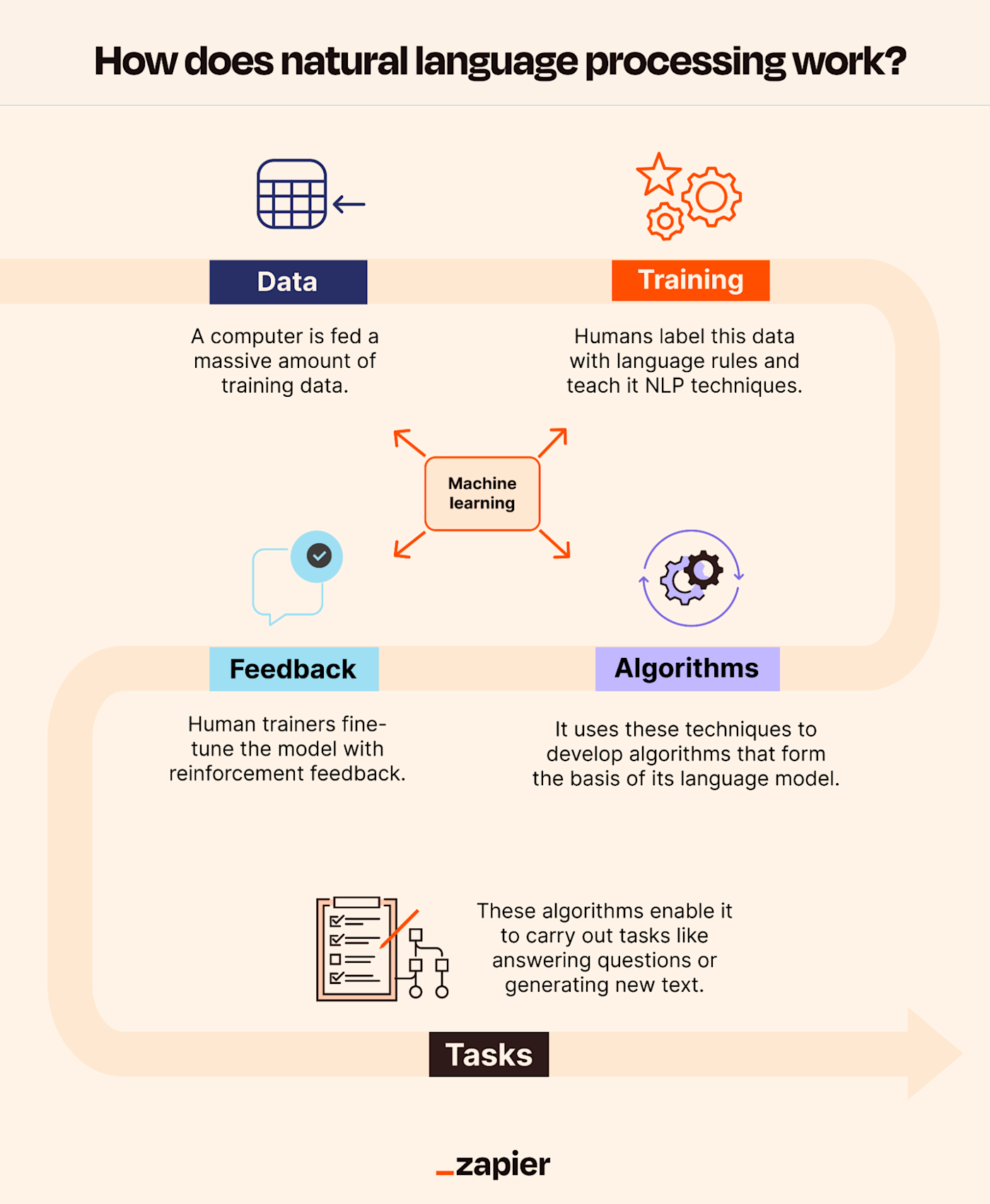
Natural language processing (NLP) models like GPT-3 and its successors enable influencers to generate written content, including blog posts, social media captions, email newsletters, and even full scripts. These models analyze existing content to predict and generate coherent, contextually relevant text based on user input. For example, an influencer can input a few keywords or a rough outline, and the AI will produce a polished draft in seconds.
NLP is also used in chatbots and virtual assistants that handle audience interactions. Tools like ManyChat and Chatfuel allow influencers to automate responses to frequently asked questions, schedule posts, and even conduct polls or quizzes. This not only saves time but also ensures consistent engagement with followers.
#AI-Driven Analytics and Optimization
AI-powered analytics platforms like Hootsuite Insights and Sprout Social use machine learning to analyze audience behavior, predict trends, and recommend optimal posting times. These tools can identify which types of content perform best, suggest hashtags, and even predict the potential reach of a post. By leveraging AI analytics, influencers can refine their content strategy to maximize engagement and growth.
Additionally, AI tools like Google Analytics and Hotjar provide insights into user behavior on websites and blogs, helping influencers understand what resonates with their audience and where improvements can be made.
#Voice and Speech AI
AI voice generators like ElevenLabs and Descript allow influencers to create realistic voiceovers for videos without recording their own voice. These tools can clone a user’s voice, adjust tone and pitch, and even translate speech into different languages while maintaining natural intonation. This is particularly useful for influencers targeting global audiences or those who prefer not to appear on camera.
#Important Facts
- Efficiency: AI tools can reduce content creation time by up to 80%, allowing influencers to focus on strategy and audience engagement.
- Cost Savings: Generating AI images or videos can cost as little as $0.10 per image, compared to hundreds of dollars for professional photography or videography.
- Personalization: AI can analyze audience data to suggest personalized content recommendations, increasing engagement rates by up to 30%.
- Accessibility: AI tools make content creation accessible to non-technical users, democratizing the ability to produce high-quality content.
- Ethical Concerns: The use of AI-generated content raises questions about authenticity, copyright, and the potential for deepfake misuse in influencer marketing.
- Platform Integration: Major social media platforms like Instagram, TikTok, and YouTube have integrated AI features such as auto-editing, auto-captioning, and AI-powered recommendations.
#Timeline
Year Event 2015 Adobe Sensei launched, introducing AI-powered creative tools. 2018 OpenAI releases GPT-2, enabling advanced text generation. 2020 GPT-3 is released, revolutionizing AI-generated written content. 2021 DALL·E is introduced, allowing text-to-image generation. 2022 MidJourney’s public beta launches, popularizing AI art generation. 2023 Synthesia and Pictory gain traction for AI video generation. 2024 Major social media platforms integrate AI features like auto-editing and AI avatars.
#Related Terms
#FAQ
What does AI And Influencers: Content Creation cover?
Explores how artificial intelligence shapes influencers and content creation, covering practical use cases, benefits, limitations, and risks.
Why is AI And Influencers: Content Creation important?
It helps readers understand key concepts, compare practical use cases, and evaluate how Language AI decisions affect outcomes, risks, and implementation choices.
What should readers verify before applying this topic?
Readers should compare the benefits, limitations, data requirements, and related themes such as Influencer, Content, Creation before using the ideas in real projects.
#References
- AI And Influencers: Content Creation terminology and background research
- AI And Influencers: Content Creation use cases, implementation examples, and limitations
- Language AI best practices, standards, and risk guidance
- Influencer case studies, benchmarks, and current industry analysis
Comments
No comments yet. Start the discussion with a useful note.