

#Short Answer
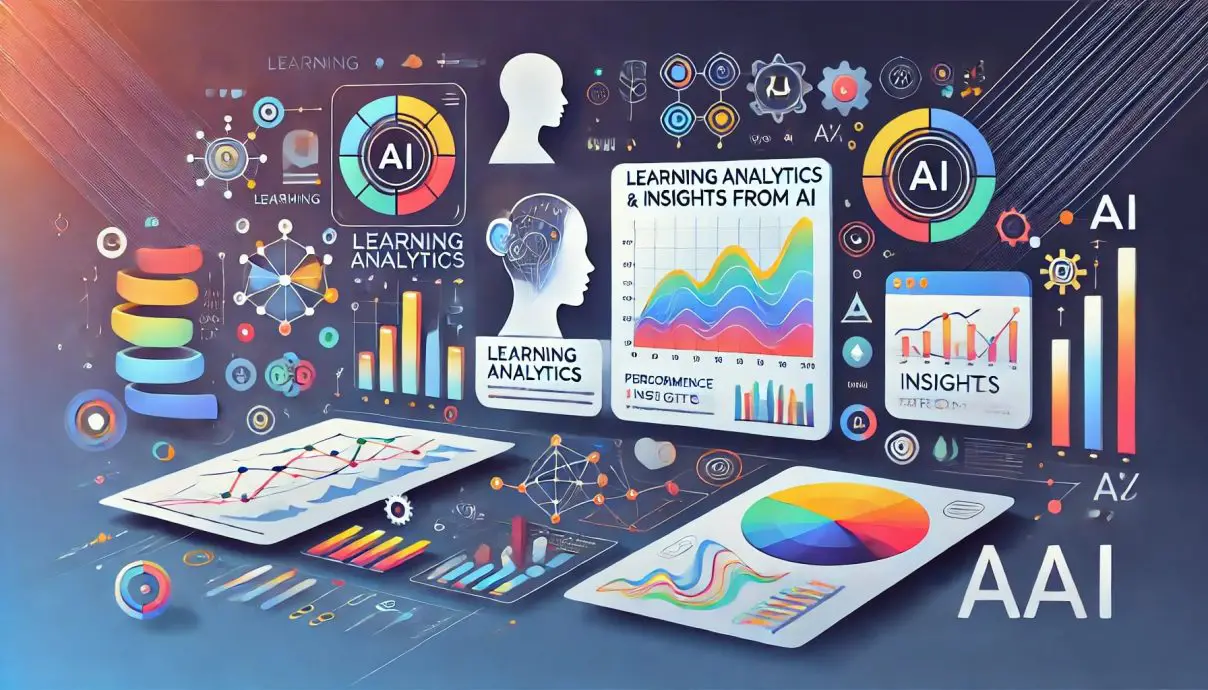
Artificial Intelligence (AI) and Data Analytics involve using advanced computational techniques to extract meaningful insights from large datasets. AI enhances analytics by enabling predictive modeling, pattern recognition, and automated decision-making, while data analytics provides the framework for interpreting and visualizing these insights to drive informed decisions across industries.
#Infobox
#Overview
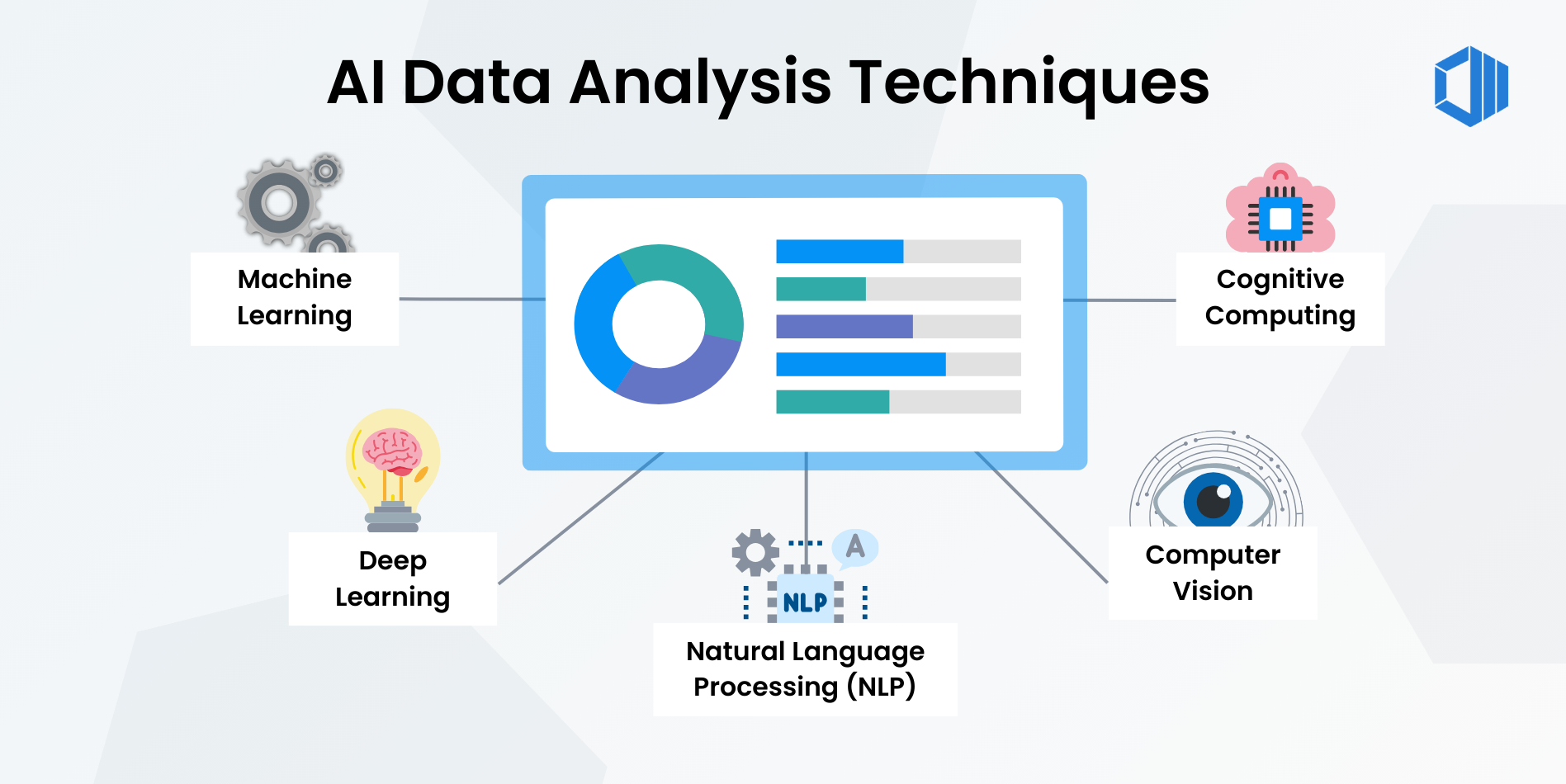
Artificial Intelligence and Data Analytics represent a synergistic field where AI algorithms process vast amounts of data to uncover trends, anomalies, and actionable intelligence. AI-driven analytics leverages techniques such as machine learning, natural language processing (NLP), and computer vision to transform raw data into strategic insights. This integration is pivotal in sectors like healthcare, finance, and education, where data-driven decisions enhance efficiency, accuracy, and innovation.
The synergy between AI and data analytics is further strengthened by advancements in big data technologies, which enable the handling of structured and unstructured data at unprecedented scales. Tools such as Hadoop, Apache Spark, and cloud-based platforms facilitate real-time data processing, making AI-driven analytics more accessible and scalable.
#History / Background
#Early Developments
The roots of AI and data analytics trace back to the mid-20th century. In 1950, Alan Turing proposed the Turing Test, a criterion for determining a machine's ability to exhibit intelligent behavior. This laid the groundwork for AI as a formal discipline. Concurrently, early statistical methods and computational models began to emerge, paving the way for data-driven decision-making.
In the 1960s and 1970s, the development of expert systems and rule-based AI systems marked significant progress. These systems mimicked human decision-making processes in specific domains, such as medical diagnosis and financial forecasting. However, limitations in computational power and data availability constrained their widespread adoption.
#Rise of Machine Learning
The 1980s and 1990s witnessed a paradigm shift with the advent of machine learning. Researchers like Geoffrey Hinton and Yoshua Bengio pioneered neural networks and deep learning, enabling systems to learn from data without explicit programming. This era also saw the rise of data warehousing and early business intelligence tools, which laid the foundation for modern data analytics.
The turn of the 21st century brought exponential growth in data generation, driven by the internet, social media, and IoT devices. This big data revolution necessitated advanced analytics tools capable of processing and analyzing massive datasets. The integration of AI into analytics platforms became essential, leading to the development of sophisticated algorithms for predictive modeling, clustering, and classification.
#Modern Era
Today, AI and data analytics are deeply intertwined, with AI enhancing the capabilities of analytics through automation, personalization, and real-time insights. The proliferation of cloud computing, GPU acceleration, and open-source frameworks like TensorFlow and PyTorch has democratized access to these technologies. Industries across the globe are leveraging AI-driven analytics to optimize operations, improve customer experiences, and drive innovation.
#How It Works
#Data Collection and Storage
The first step in AI-driven data analytics is the collection and storage of data. Data can be sourced from various channels, including databases, APIs, IoT sensors, and user interactions. Organizations employ data warehouses and data lakes to centralize and manage large volumes of data efficiently. Technologies like Hadoop and Apache Kafka facilitate the ingestion and processing of streaming data in real-time.
#Data Preprocessing
Raw data often contains inconsistencies, missing values, and noise, which can hinder the performance of AI models. Data preprocessing involves cleaning, transforming, and normalizing data to ensure its quality and relevance. Techniques such as data imputation, feature engineering, and dimensionality reduction are employed to prepare the dataset for analysis.
#Model Training and Evaluation
AI models, particularly those based on machine learning and deep learning, are trained on preprocessed data to identify patterns and make predictions. Supervised learning, unsupervised learning, and reinforcement learning are common paradigms used depending on the problem at hand. The trained models are evaluated using metrics such as accuracy, precision, F1 score, and ROC curve to ensure their reliability and effectiveness.
#Insight Generation and Visualization
Once the models are validated, they are deployed to generate insights from new data. These insights are often visualized using tools like Tableau, Power BI, and Matplotlib to make them accessible and actionable for stakeholders. Dashboards and reports provide real-time updates, enabling organizations to monitor performance, detect anomalies, and make data-driven decisions.
#Important Facts
- AI and Data Analytics Drive Automation: Over 70% of enterprises use AI to automate routine tasks, reducing operational costs by up to 30%.
- Predictive Analytics Enhances Decision-Making: Businesses leveraging predictive analytics report a 25% increase in revenue and a 20% reduction in costs.
- Big Data is Growing Exponentially: By 2025, the global datasphere is expected to reach 175 zettabytes, with AI playing a crucial role in its analysis.
- AI in Healthcare: AI-powered diagnostic tools can analyze medical images with an accuracy of 94%, comparable to human experts.
- Ethical Considerations: Bias in AI models remains a critical challenge, with 68% of organizations acknowledging the need for ethical AI frameworks.
#Related Terms
#FAQ
What does AI And Data: Analytics And Insights cover?
Explores how artificial intelligence shapes data and analytics and insights, covering practical use cases, benefits, limitations, and risks.
Why is AI And Data: Analytics And Insights important?
It helps readers understand key concepts, compare practical use cases, and evaluate how Artificial Intelligence decisions affect outcomes, risks, and implementation choices.
What should readers verify before applying this topic?
Readers should compare the benefits, limitations, data requirements, and related themes such as Data, Analytic, Insight before using the ideas in real projects.
#References
- AI And Data: Analytics And Insights terminology and background research
- AI And Data: Analytics And Insights use cases, implementation examples, and limitations
- Artificial Intelligence best practices, standards, and risk guidance
- Data case studies, benchmarks, and current industry analysis


Comments
No comments yet. Start the discussion with a useful note.